Why TMS Works Even When Medications Don’t

If you’ve tried multiple antidepressants and still don’t feel better, you’re not alone - and it doesn’t mean you’ve failed treatment.
In fact, medication resistance is one of the most common reasons people explore Transcranial Magnetic Stimulation (TMS). Many patients who benefit from TMS have a long history of medications that either didn’t work or caused side effects they couldn’t tolerate.
So why does TMS help when medications don’t?
Medication Resistance Is More Common Than You Think
Studies show that 30–40% of people with depression don’t experience meaningful relief from antidepressants. Others may feel partial improvement but continue to struggle with motivation, energy, or emotional numbness.
Common reasons medications don’t work include:
- Trial-and-error prescribing
- Side effects that limit dosing
- Brain regions involved in mood remain underactive
- Depression that doesn’t respond to chemical changes alone
This isn’t a personal failure - it’s a biological reality.
How Antidepressants Work (and Where They Fall Short)
Most antidepressants affect neurotransmitters like serotonin, norepinephrine, or dopamine. They work system-wide, meaning:
- The entire brain and body are exposed
- Effects take weeks to build
- Results vary widely from person to person
For some people, these chemical changes simply aren’t enough to restore healthy brain activity in the regions that regulate mood.
How TMS Is Different
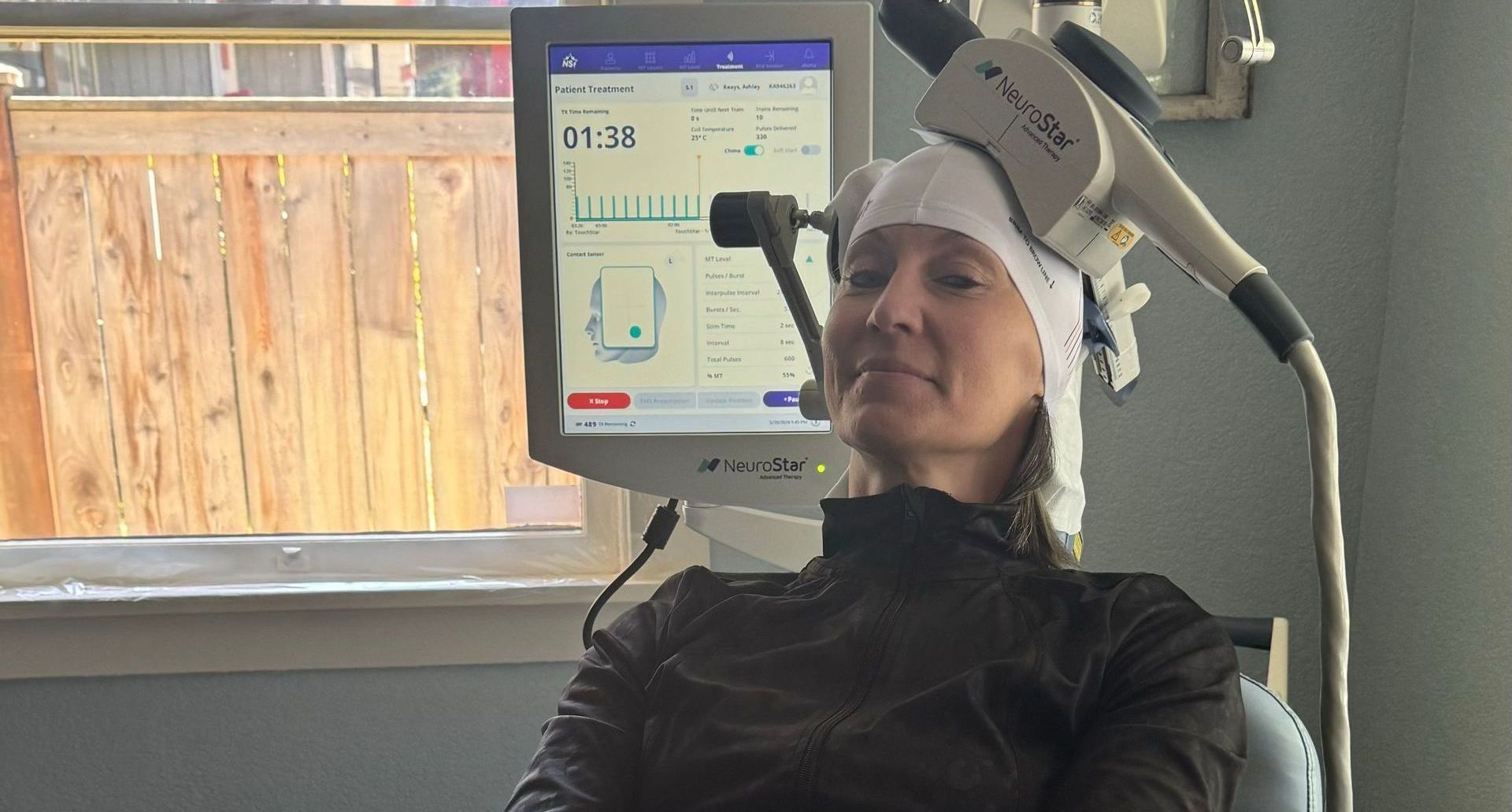
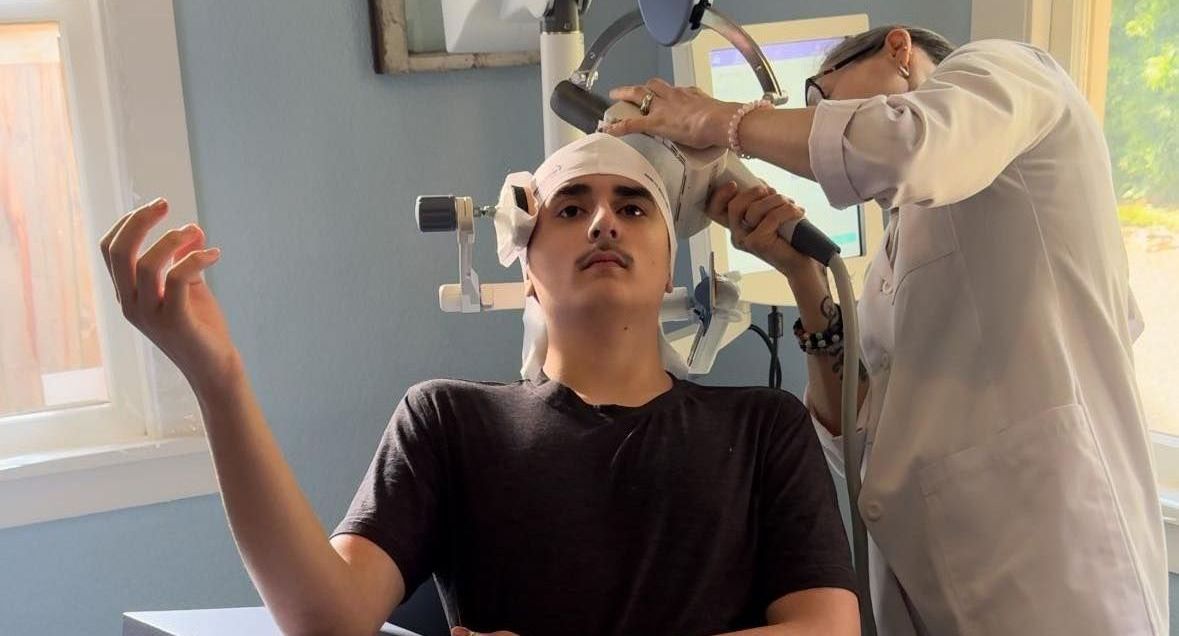
TMS works at the level of brain circuits, not just brain chemistry.
Using magnetic pulses, TMS:
- Directly stimulates underactive areas of the brain linked to depression
- Strengthens communication between neural networks
- Encourages healthier patterns of brain activity over time
Instead of hoping the right chemical balance reaches the right place, TMS targets the source.
Interested in learning more?
Schedule a consultation to see if TMS could be right for you.
Visit our contact page or call 253-900-1605 to speak with our team.
Why This Matters for Treatment-Resistant Depression
In people with medication-resistant depression:
- Certain mood-regulating brain regions remain underactive
- Neural pathways involved in motivation and emotional regulation are weakened
- Medications may not fully engage these circuits
TMS helps reactivate and retrain these areas, which is why many patients respond even after years of medication trials.
What Patients Often Notice with TMS
Patients who didn’t respond to medications often report:
- Improved clarity and focus
- Increased motivation
- Reduced emotional heaviness
- A sense of feeling “more like themselves.”
And importantly, without systemic side effects like weight gain, sexual dysfunction, or emotional blunting.
TMS Can Work Alongside Medication (or Without It)
TMS:
- Does not require stopping current medications
- Can be used as a standalone treatment or in combination with medication
- May reduce reliance on medications over time (with provider guidance)
Treatment plans are individualized - there’s no one right path.
If Medications Haven’t Worked, What’s Next?
If you’ve tried multiple treatments without relief, it may be time for an approach that works differently - not harder.
At Creative Wellness TMS, we specialize in helping people who:
- Haven’t responded to antidepressants
- Can’t tolerate medication side effects
- Feel stuck despite doing “everything right.”
Schedule a consultation to explore whether TMS may be a fit for you.
You Didn’t Fail Treatment - It’s Time for a Different Approach
Medication resistance isn’t the end of the road. For many people, it’s the point where targeted, brain-based treatment finally makes a difference.
TMS exists because depression is more than a chemical imbalance - and effective treatment should reflect that.