How We Screen Patients for TMS: Seizure Risk, Medications & Neurologic Conditions

Ashley Keays • January 19, 2026

Quick Intro


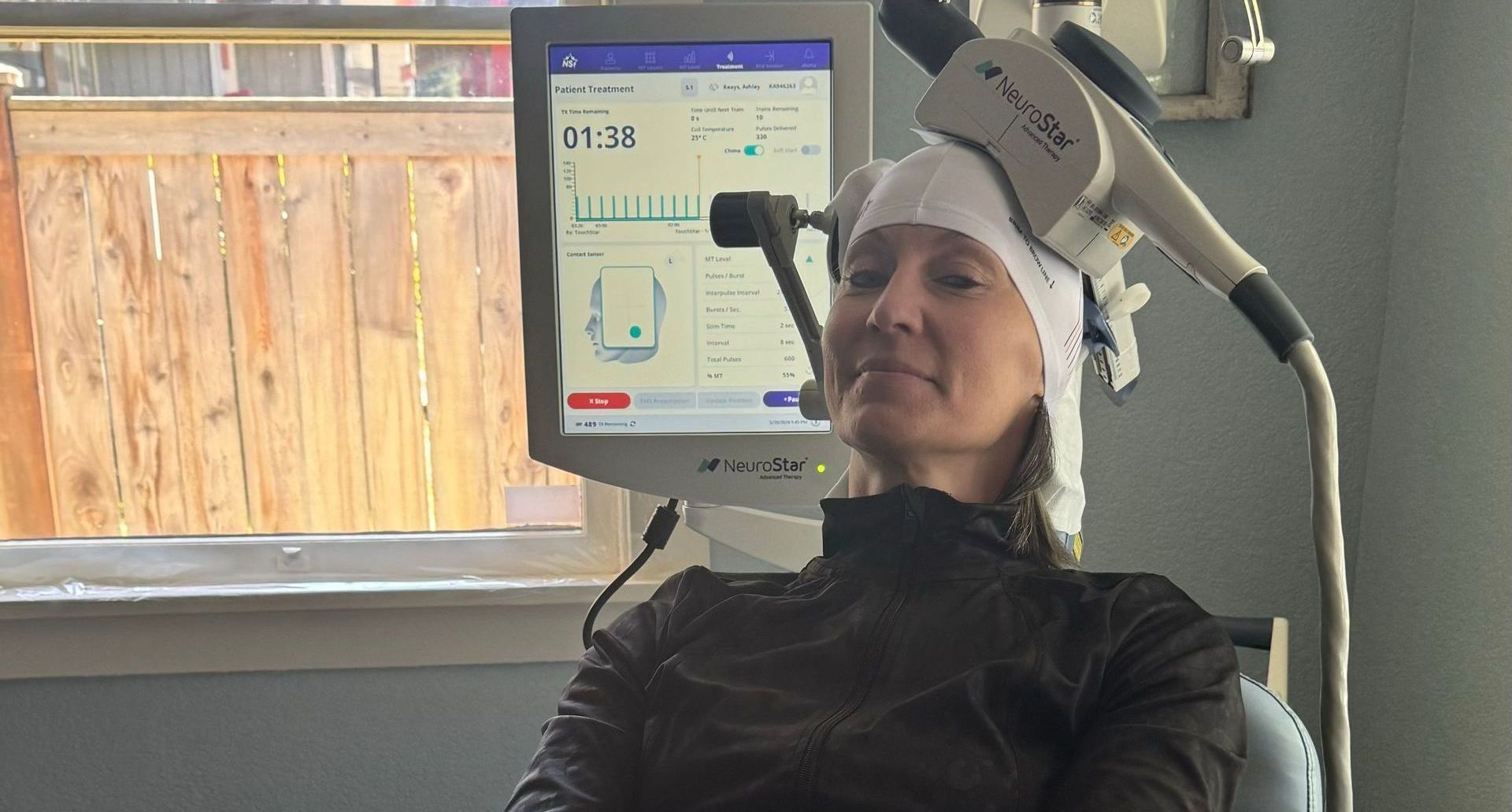
Safety is our top priority. Before any Transcranial Magnetic Stimulation (TMS) course, Creative Wellness performs a focused medical and psychiatric screen to identify seizure risk, medication interactions, and neurologic conditions that could affect safety or protocol choice. This careful process protects you and helps your care team design the safest, most effective treatment plan. 


Why screening matters


TMS is non-invasive and generally well tolerated, but certain medical and neurologic factors can increase the chance of rare side effects -most importantly, seizure. A targeted pre-treatment screen ensures we identify those risks early so we can adapt the plan, select appropriate protocols, or recommend alternate therapies if needed. The screening also clarifies whether medications or implants require special handling. 


The core elements of our screening process


1. Comprehensive medical & neurologic history


You’ll be asked about:


  • Any prior seizure disorder (epilepsy) or unexplained convulsions
  • Prior head trauma, stroke, brain tumor, or progressive neurologic disease
  • Any metal implants in or near the head (for example, aneurysm clips, cochlear implants, deep brain stimulators) - implants in or near the skull may rule out TMS or require specialist review
  • Other neurologic questions that matter for safety and device placement


These items are standard because they can affect safety and whether TMS is appropriate. If any of these are present, we'll review them with your medical team. 


2. Full medication review (psychiatry-led)


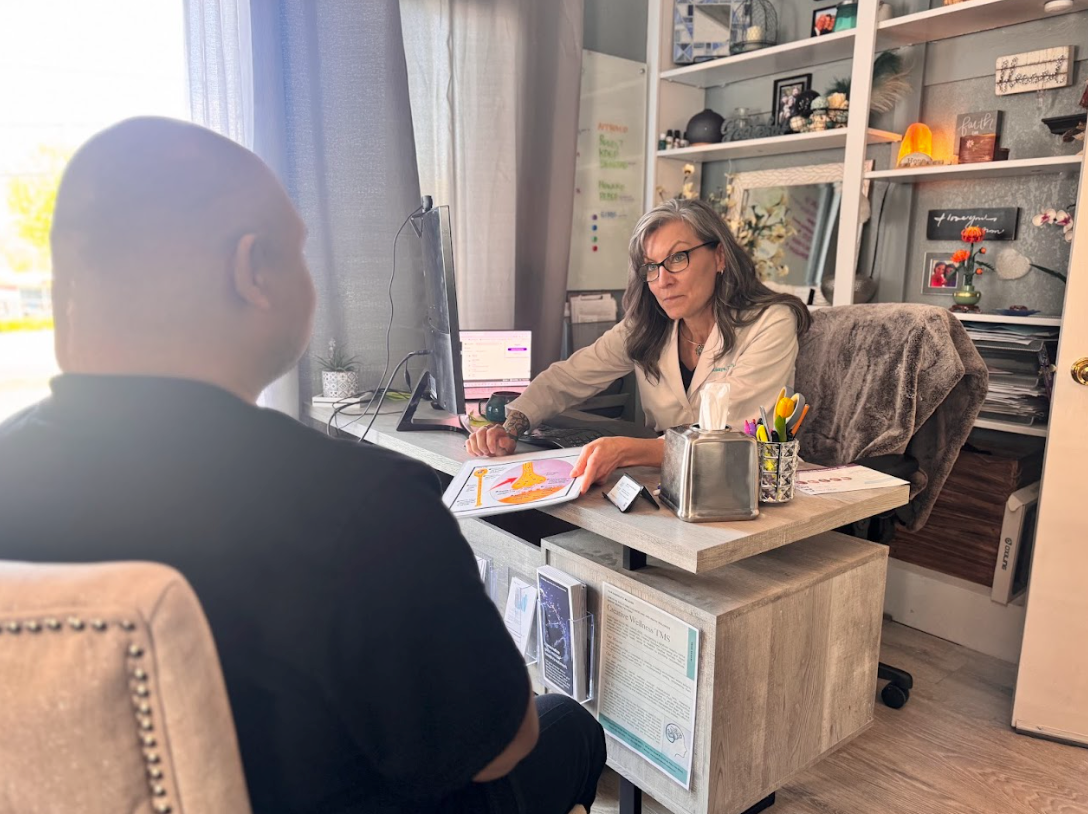
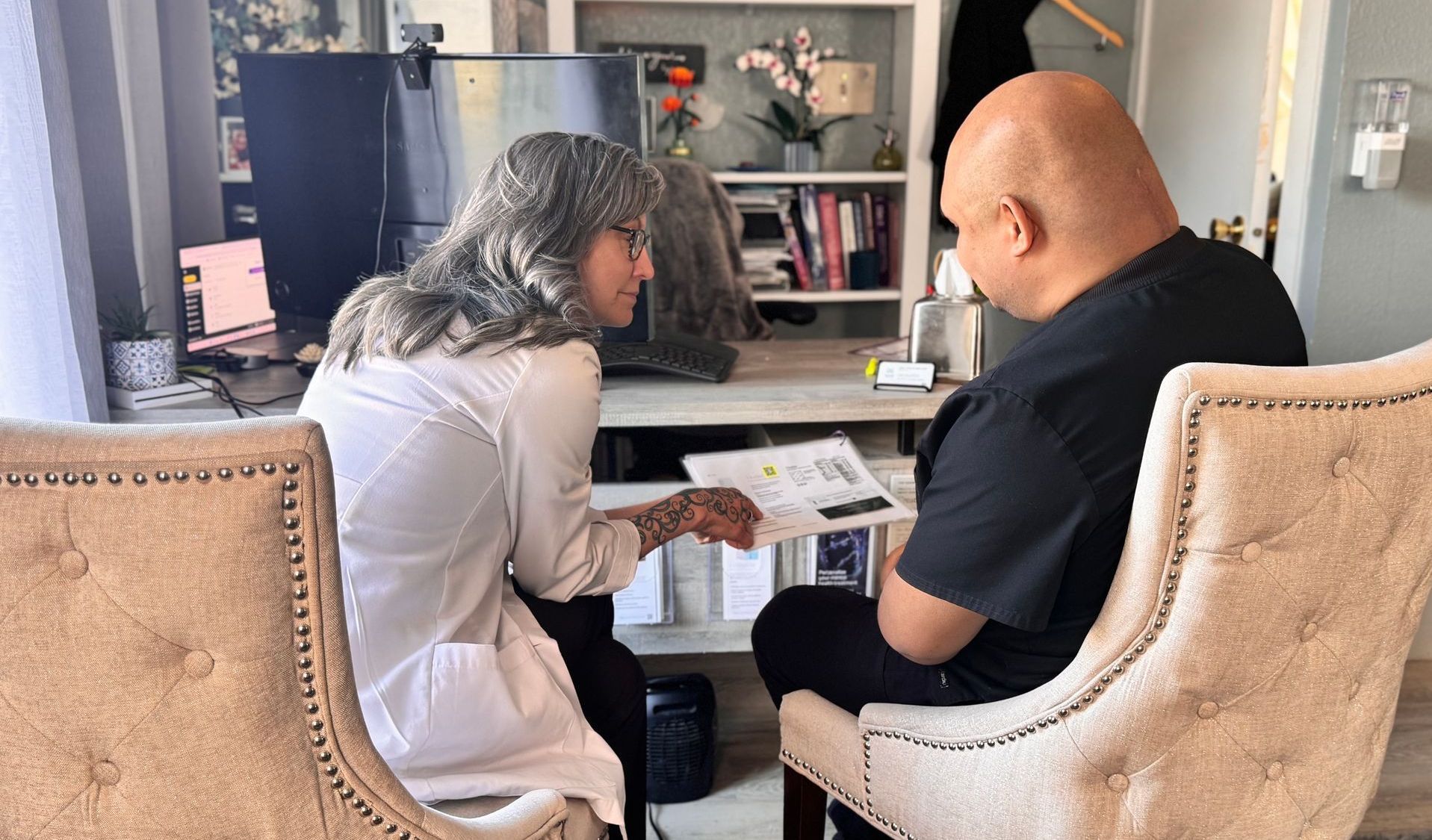
Our psychiatry team reviews every prescription, over-the-counter medication, and supplement you take. This matters because certain medications and combinations can affect seizure threshold or interact with TMS care. We screen for interactions and, when needed, coordinate medication adjustments or additional monitoring before a TMS course. Medication screening is part of our routine comprehensive evaluation and ongoing medication management.


3. Risk stratification for seizure and safety


Seizure during TMS is rare, but not impossible. We identify factors that increase seizure risk (for example, known epilepsy, some neurologic lesions, or specific medication interactions) and use that information to:


  • Decide if TMS is appropriate
  • Choose a conservative stimulation protocol or altered parameters, and
  • Plan enhanced monitoring during treatment when needed.
    If risk is significant, we’ll discuss alternative treatments or obtain additional neurologic input.


4. Motor mapping & motor-threshold testing


Before the first full course, we perform a mapping/motor-threshold assessment. This is not just to find the treatment target - it also identifies the correct stimulation intensity that is effective while minimizing discomfort and risk. Mapping is a key technical safety step used by specialist clinics.


5. Psychiatric assessment & coordination of care


Our psychiatrists evaluate diagnosis, prior medication trials, and current psychiatric status. They make decisions about continuing or adjusting medications, and they coordinate TMS with medication management or other advanced treatments (for example, Spravato or ketamine) as clinically indicated. This combined-care model improves safety and outcomes. 

Interested in learning more?


Schedule a consultation to see if TMS could be right for you.

Visit our contact page or call 253-900-1605 to speak with our team.

Request Appointment

Common neurologic and implant questions we screen for


  • Do you have a history of seizures or epilepsy? (Yes → specialist review)
  • Have you had a recent stroke, brain tumor, or neurosurgery? (Yes → review imaging/records)
  • Do you have metal in your head/brain (clips, shunts, electrodes)? (Yes → many implants in/near the skull are a contraindication or need neurosurgical clearance)
  • Have you had significant head injuries? (Yes → evaluate for residual risk factors)


These focused questions help us identify the small group of patients who require referral or an altered approach.


Medications: what we look for (high-level)


We do not expect patients to know every possible interaction, which is why we take a medication list and do a clinical review. In practice, this means:


  • Screening for medications or combinations that lower the seizure threshold or require special monitoring,
  • Checking for agents that might affect TMS session tolerance, and
  • Coordinating with your prescriber to adjust medications safely if needed.
    Our psychiatry team performs medication interaction screening and ongoing safety checks at every follow-up.


Read More : Medication Management


What happens if we find a risk


  • Minor, manageable risks: We usually adjust the plan (e.g., conservative intensity, extra observation) and proceed with close monitoring.


  • Significant risk (e.g., active seizure disorder, incompatible cranial implant): We will pause and arrange further evaluation. Sometimes TMS is contraindicated, and alternative evidence-based treatments will be discussed.


  • Unclear cases: We may request prior records, imaging, or a neurology consult to clarify safety before starting. The decision is always made with your safety and the best outcome in mind. 


How we explain risk and get informed consent


We review benefits, expected side effects (including the uncommon possibility of seizure), and the specific findings from your screening. You’ll meet with a clinician to discuss the plan, and we’ll answer questions before you sign informed consent. This transparency and shared decision-making are part of our standard of care. 


Practical tips for patients before screening


  • Bring a complete medication list (prescription, OTC, supplements.


  • Bring records of any prior seizures, neurologic imaging (CT/MRI), or neurosurgical reports if you have them.


  • List prior psychiatric medication trials (drug, dose, dates, response).


  • Tell us about implants or implanted devices, even if you think they aren’t relevant. It’s safer to disclose and let clinicians assess. 
  • Does TMS cause seizures?

    Seizures during TMS are very rare. Clinics screen carefully for seizure risk and adjust protocols or decline treatment when risk is significant to keep patients safe.

  • Can I have TMS if I take psychiatric medications?

    Often yes. We perform a medication review and coordinate with your psychiatrist to manage interactions or adjust medications as needed. Medication management is an integrated part of our TMS care.

  • What about metal implants or devices?

    Implants in or near the head may be a contraindication and require specialist review. Tell us about any implants so we can assess safety.

  • Will you still do TMS if I had a brain injury years ago?

    It depends on the injury and residual risk. We review records and may request imaging or neurology input before recommending TMS. Most decisions are individualized.

Not Sure Where to Start? We Can Help

With so many treatment options, finding the right one can be overwhelming. Let’s make it easier. Answer a few quick questions, and we’ll help you discover what might work best for you

Take the Quiz →
Person's hands with calculator and tax form on a wooden desk. A cup is in the lower right.
By Ashley Keays January 19, 2026
Why transparency matters TMS (Transcranial Magnetic Stimulation) is an evidence-based, clinic-delivered treatment that can be life-changing- but cost uncertainty creates real friction for patients. Clear, practical price guidance helps prospective patients make informed decisions, accelerates bookings, and reduces surprises after a denial or partial coverage. Creative Wellness aims to be transparent about common fees and how insurance changes the math. What is typically included in a TMS bill When you look at a TMS invoice, the final number usually bundles several line items: Initial psychiatric evaluation/consultation - psychiatry intake and medication review. Mapping/motor threshold session - a one-time clinical step to find your treatment target. TMS sessions (the largest line item): daily clinic visits, commonly 4–6 weeks, Monday–Friday. Many clinics use 30–36 total sessions for a full course, depending on protocol. Facility fees/technician time - per-session staff, chair time, consumables. Psychiatry follow-ups/ medication management during the course (if needed). Optional tests or services: pharmacogenetic testing (e.g., Tempus NeuroPsych), Spravato sessions , or other consults. Tempus NeuroPsych testing and consults are listed in the clinic’s pricing guide as an example service. Maintenance or booster sessions may be recommended later, if clinically indicated. Common hidden or variable costs Prior authorization work/appeals (time the clinic spends) - sometimes built into admin fees. Insurance co-pays and deductibles - these can be large if you haven’t met your deductible. Out-of-network charges - if the clinic or device isn’t accepted in-network, you may face higher bills. Maintenance sessions (not always covered) - boosters or maintenance packages can be OOP.
Test tubes in a blue rack, filled with clear liquid, in a lab setting.
By Ashley Keays January 19, 2026
Quick Introduction Patients increasingly ask about pharmacogenetic testing (“PGx”) on intake forms - especially when medications haven’t helped or caused bad side effects. Genetic testing can provide useful clues about how your body processes certain psychiatric medications, and when used with thoughtful psychiatric care, it can speed up finding the right medication. But will it directly change your TMS plan? In most cases, PGx helps the medication-management piece of a broader treatment strategy - and that can help your overall outcomes when TMS is part of the plan. What is pharmacogenetic testing (PGx)? Pharmacogenetic testing analyzes genes that influence how your body metabolizes and responds to medications. The results commonly identify whether you metabolize a drug normally, too slowly, or too quickly - information that helps clinicians choose safer, better-tolerated medications or choose dosing adjustments. Clinics offering psychiatric care increasingly pair PGx reports with a psychiatrist review so results guide treatment decisions rather than dictate them. How PGx helps medication management When medication selection has been a process of trial-and-error, PGx can reduce guesswork by: Flagging likely ineffective or poorly tolerated medications based on metabolism genes, Helping clinicians choose alternatives that are more likely to be effective for your genetic profile, and Informing dose adjustments for certain drugs when metabolism differences are known. At Creative Wellness, we integrate PGx with medication management - the psychiatrist reviews your test and personal history, then recommends a medication plan tailored to your biology and symptoms. This precision approach reduces time spent cycling through meds and can improve tolerability and effectiveness. Does genetic testing change your TMS plan? Short answer: not usually directly, but it matters indirectly. TMS is a brain-stimulation treatment whose target and protocol are chosen based on clinical presentation and mapping -PGx does not change the physics of stimulation. Creative Wellness performs mapping and sets TMS parameters clinically, independent of a PGx result. Where PGx helps is in medication coordination. Many patients receive TMS alongside medication management. If a patient’s meds are optimized using PGx, they may tolerate combined care better and experience clearer symptom changes while undergoing TMS. In short, PGx helps create a cleaner, safer medication backdrop during and after TMS. For certain side-effect concerns or medication interactions that could affect safety during treatment, PGx can guide safer choices that make TMS sessions smoother. If the TMS response is limited, your team may re-evaluate meds - PGx can be useful at that point to inform next medication steps. Who should consider PGx testing? Consider testing if you have any of the following: Tried multiple antidepressants or had significant side effects, Had mixed or partial responses to medications, Experienced intolerable side effects that forced you to stop meds, or Want to accelerate the path to a well-tolerated medication while planning combined care (TMS + meds). Creative Wellness explicitly offers pharmacogenetic testing and consultation (for example, Tempus NeuroPsych is listed among testing options), and these services are offered as part of a medication-management pathway. Pricing and a consult option are available through the clinic.
Woman reading, man smiling in armchairs facing each other by a window.
By Ashley Keays January 19, 2026
Quick overview If you’re searching for TMS near Tacoma, you’re not alone. Transcranial Magnetic Stimulation (TMS) is an effective, non-invasive treatment for people whose depression or other conditions have not responded to standard therapies. This guide helps you compare local clinics, estimate costs, read and weigh patient reviews, and understand what to expect on your first visit - with a short, practical profile of Creative Wellness TMS (a local clinic serving Tacoma /University Place/Yelm). How to compare TMS clinics near Tacoma When comparing clinics, use a short checklist to ensure clinical quality and convenience: Clinical & technical factors Device & protocols - Which device(s) do they use (rTMS, dTMS, NeuroStar, BrainsWay)? Different devices and protocols suit different patients. Clinical team - Are psychiatrists and credentialed TMS technicians involved? Is there onsite medication management? Mapping & motor-threshold testing - Does the clinic perform precise mapping and motor-threshold testing before a course? This is essential for safety and reproducible dosing. Practical & logistical factors Location & hours - Is the clinic easy to reach from Tacoma, University Place, or Yelm ? Are appointments available early/late to fit your work schedule? Insurance & benefits support - Does the clinic run free benefits checks, support prior authorization, and help with appeals if needed? Aftercare & maintenance - Do they offer maintenance or booster sessions and long-term follow-up? (Some maintenance care may be out-of-pocket.) Patient experience Reviews & testimonials - Look for consistent stories about staff helpfulness, clear communication, and functional improvement. Video testimonials and written stories can be especially revealing. Costs & pricing - real scenarios for Tacoma patients Costs vary by clinic, device, and insurance. Use this plain method to estimate your bill: Clinic reference numbers: Many clinics quote a full course in the low-to-mid thousands. For example, a typical course is delivered 5 days/week for 4–6 weeks (commonly ~30–36 sessions), and some clinics list a full course around $5,000 as a ballpark figure. Three quick price scenarios Best case (in-network prior authorization approved): small copays or partial deductible; insurer covers most of the billed charges. Partial coverage / deductible exposure: you may pay hundreds to a few thousand dollars, depending on plan limits. No coverage / self-pay: patient pays full course cost (often several thousand dollars), though clinics commonly offer self-pay packages or financing. Extra costs to check Mapping and psychiatric consults, booster/maintenance sessions, PGx testing, Spravato (if pursued), and facility/administration fees. Creative Wellness, for example, lists PGx testing (Tempus NeuroPsych) and associated consults as part of their service menu. Read More : Pricing How to choose & next steps Narrow to 2–3 clinics near Tacoma/University Place and call for: device type, session count, mapping, psychiatry availability, benefits check, and price estimate. Ask for patient stories or testimonials that match your situation (depression, anxiety, comorbid conditions). Request a written estimate and a benefits check to understand real out-of-pocket costs. Creative Wellness and other local clinics commonly provide this. Schedule an initial consult (most clinics offer psychiatry + mapping before treatment starts). Bring medication history, prior treatment notes, and any questions about travel/parking and scheduling.
Smartphone, notebook, and pen on a white desk with three succulent plants in white pots.
By Ashley Keays January 13, 2026
Quick Overview Yes - in most cases. TMS (Transcranial Magnetic Stimulation) is an outpatient, non-systemic, and non-sedating treatment designed so that most people can return to their daily activities, including work, right after sessions. Below, we cover what to expect during a typical course, common side effects, scheduling tips for working patients, and exactly when you might need to take time off or adjust your work schedule. What a typi cal TMS course looks like Most TMS courses are administered five days a week (Monday–Friday) for about 4–6 weeks. Sessions themselves usually last about 20–40 minutes, and many protocols are 20 minutes or less. Before treatment begins, you’ll have an initial consultation and a mapping/motor-threshold assessment that determines the precise target and dose for your daily sessions. Because sessions are short and non-sedating, patients are generally able to drive themselves home and return to their normal daily plans after each appointment. That means many people keep working during their treatment. Because sessions are short and non-sedating, patients are generally able to drive themselves home and return to their normal daily plans after each appointment. That means many people keep working during their treatment. Common side effects and how they affect work The most common effects reported during TMS are mild scalp discomfort or headache, which usually resolve quickly after a session. These side effects rarely require extended time off work. A small percentage of patients experience a temporary increase in symptoms mid-course (sometimes called the “dip”), and clinicians monitor for that and offer support. If you do experience unexpected or persistent effects, your care team will review your treatment plan with you. Read More: TMS Benefits and Side Effects Practical scheduling tips for working patients Here are practical steps most working patients use to keep work and treatment balanced: Schedule sessions around your workday. Book sessions early morning, lunch hour, or late afternoon so they fit with your routine. Because sessions are short, many people attend without missing a full workday. Work remotely on session days if possible. If your job allows flexible/remote work, doing your session near your workspace or working from home afterward reduces commute time. Plan for the occasional “dip.” About 10–15% of patients may feel a temporary worsening of symptoms mid-course. If your job is safety-sensitive (driving, heavy machinery), talk with your clinician about timing or remote options. Talk to your employer in advance. If you expect to need flexibility, consider a short note from your clinician or HR conversation - many employers will accommodate a 4–6 week daily-treatment schedule. Use short breaks wisely. The treatment chair time is often 20 minutes; factor in check-in and any brief observation, and you’re typically looking at a 45–60 minute block out of your day.
People at a table, reviewing documents and signing. A tablet and two mugs are also on the table.
By Ashley Keays January 13, 2026
Quick Overview An insurance denial for TMS is stressful, but not the end of the road. Many denials can be reversed with a well-documented appeal, clinical support from your treatment team, and persistence. This guide gives you exactly what to do next - step by step - plus appeal templates you can use right away. Immediate steps when you get a denial Read the denial letter carefully. Note whether it’s a coverage denial, a medical-necessity denial, or a coding/prior-authorization denial. Look for appeal deadlines and the insurer’s appeals contact. Save everything. Keep the denial letter, any emails, and the date/time of phone calls. Request a written explanation of benefits (EOB) and the denial reason code. Ask the insurer for the precise reason and the name/phone number of the caseworker. Contact your clinic. Tell Creative Wellness (or your clinic) right away - we run benefits checks and handle prior authorization paperwork. Clinics commonly help with appeals and prior authorization documentation. Step-by-step appeals plan Step 1 - Verify deadlines & next actions Check the denial letter for exact appeal deadlines and whether an expedited review is possible (often called “urgent” or “expedited” appeal). Note timelines: insurers vary - some expect appeals within 30 days, others allow up to 180 days; urgent appeals are sometimes handled within 72 hours. Always use the insurer’s stated timeline. Step 2 - Gather records and evidence Collect everything your appeal will need: Denial letter & EOB (front & back) Copy of the insurance policy language if available (or the relevant medical necessity criteria) Clinical notes showing diagnosis and prior treatments tried (medications, therapy) Documentation of prior authorizations and prior-authorization communications (if any) TMS treatment plan and mapping/motor threshold notes, if available Letters from treating clinicians (psychiatrist, referring MD) stating medical necessity Peer-reviewed evidence or guidelines (Clinical TMS Society or key articles) — your clinic can supply suggested citations. Tip: Clinics routinely assemble this evidence for you and can create a provider appeal letter. Clinics also handle prior authorization paperwork and appeals logistics. Step 3 - File a patient appeal (use the template below) Submit a clear, concise patient appeal letter that states the facts, why the treatment is medically necessary, and what evidence you are sending. Use certified mail or the insurer’s online appeal form if available. See the template below. Step 4 - Ask your provider for a clinical appeal (use the provider template) A provider letter from your prescribing psychiatrist or the TMS medical director is often the most persuasive piece of evidence. The provider should explain the history of treatment failures, specific reasons TMS is appropriate, and attach relevant clinical notes and test results. Step 5 - Follow up by phone & get a case number Call the insurer after filing and ask for the appeal case number, the expected resolution date, and the name of the reviewer, if possible. Keep notes of the conversation (date, time, person, summary). Step 6 - Escalate if needed (external review/state regulator) If the internal appeal is denied, request an external review by an independent reviewer or contact your state insurance commissioner for help with the process. Many states require insurers to tell you how to request an external review. Step 7 - Consider alternatives while you appeal Ask the clinic about temporary options: payment plans, financing, or alternative treatments (eg, Spravato ) while the appeal is pending. Creative Wellness offers benefits checks and helps explain payment options.
Two women in chairs; one takes notes while the other rests hand on face, in a room with plants.
By Ashley Keays January 12, 2026
Transcranial Magnetic Stimulation (TMS) is a safe, non-invasive, FDA-cleared treatment that helps rebuild brain activity in people with depression and certain other conditions. Many patients respond well: real-world and clinical data show a high response and remission rate for those who complete a full course of treatment. That said, TMS doesn’t help everyone on the first course. Below is a clear, patient-friendly explanation of why that happens, how clinicians approach it, and what practical options exist if you’re not satisfied with your results. Why TMS Sometimes Doesn’t “Work” Right Away 1. The brain needs time to adapt - the “TMS dip.” Some patients experience a temporary worsening of symptoms a few weeks into treatment - a phenomenon often called the TMS dip. It’s thought to reflect the brain’s neuroplastic changes as circuits reorganize; for most people, this is a short-lived phenomenon that precedes improvement. Clinics frequently warn patients about the dip and monitor it closely. 2. Treatment parameters may need adjustment. TMS requires correct coil targeting, intensity, and schedule. If coil placement, stimulation intensity, or session frequency is suboptimal, the standard protocol may not produce a response for a particular patient. Clinicians will often reassess mapping and parameters if improvement is delayed. 3. An incomplete course or timing. Many people see meaningful changes between sessions 20–30, and full benefits may appear by week 6–8. For some, the response is delayed, and a longer course or extra sessions are required. Real-world outcomes show many patients respond after completing a full regimen. 4. Underlying diagnosis or comorbidities. If symptoms are driven by an untreated medical issue, substance use, or a misdiagnosis, TMS may be less effective. A careful diagnostic review can reveal whether another condition is limiting response. 5. Medication interactions, life stressors, or adherence issues. Changes in medication , inconsistent attendance, or major life stress can blunt the response. Good clinical coordination between psychiatry, psychotherapy, and the TMS team helps mitigate these factors.
By Ashley Keays January 12, 2026
Quick Overiew Finishing a course of Transcranial Magnetic Stimulation (TMS) can bring real relief - but patients commonly ask: how long do the benefits last, what happens next, and what options exist if symptoms return? This guide explains typical follow-up care, maintenance, and booster options, evidence about long-term durability, and practical next steps Creative Wellness TMS offers to help patients preserve and extend treatment gains. Quick facts: the typical TMS course & follow-up Typical course: Most TMS courses are delivered 5 days/week for 4–6 weeks; sessions are ~20–40 minutes. Clinics typically perform a mapping session and record the motor threshold to deliver the correct dose and reproducible coil placement. When people usually improve: Many responders show clinical improvement between sessions 20–30; some patients have delayed benefit toward the end of week 6. Immediately after your course: the clinical review At the end of a TMS course, your care team typically performs a final clinical review to: Measure symptom change using standard scales, Ask about functioning (sleep, work, mood), Discuss whether goals were met and next steps. Clinics often schedule a wrap-up visit specifically to review outcomes and plan follow-up Contact us Here Maintenance, boosters, and retreatment - what’s the difference? Maintenance TMS: Planned, periodic sessions intended to maintain gains for patients who responded. Some clinics offer a maintenance schedule (for example, tapering frequency) when clinically indicated. Maintenance may be discussed as an option after successful treatment. Booster sessions: Short courses or single sessions are used when a patient notices symptom worsening after an initial positive response. Retreatment / repeated course: For those who didn’t achieve full response, extending or repeating the full course is sometimes helpful - clinicians will reassess mapping and parameters first. Important note: Maintenance sessions and certain retreatment approaches may not be covered by insurance, so clinicians review options and costs with each patient. What the evidence says about long-term results Studies and clinic reports suggest durable benefit for many patients: Clinic-level and trial data show that a meaningful portion of patients have sustained improvement at 12 months - some reports note ~68% sustained improvement and ~45% complete remission at one year in certain cohorts. However, response varies by individual and by the exact protocol, device, and patient selection; ongoing monitoring and coordinated care matter for long-term success. When a patient’s symptoms return: practical next steps If symptoms return or the initial response is incomplete, clinicians typically follow a stepwise approach: Clinical reassessment - review medical history, medications, sleep, substance use, and life stressors to identify reversible contributors. Confirm technical accuracy - check recorded mapping, motor threshold, and coil placement; remapping or parameter adjustment can improve outcomes. Consider boosters or repeat course - for responders who relapse, boosters or a repeat/extended course may restore benefit. For non-responders, clinicians may consider a different protocol or device. Combine treatments when appropriate - adding or optimizing psychiatric medication, psychotherapy, or considering other advanced options (Spravato/esketamine, ketamine, or ECT in selected cases) is a standard part of evidence-based care. Your psychiatrist and TMS team collaborate on these decisions.
Person writing on clipboard, interviewing another person, in a room with plants.
By Ashley Keays December 19, 2025
Understanding Your Mental Health Care Options If you’re exploring treatment for depression, anxiety, or ongoing mental health symptoms, you may feel overwhelmed by the number of options available. Many people ask: “Should I try therapy, medication, TMS, Spravato, or genetic testing - and how do I know what’s right for me?” The truth is, there’s no one-size-fits-all answer. Each approach works differently, and the best plan often depends on your history, symptoms, and how you’ve responded to treatment in the past. Below is a clear comparison of four commonly used approaches: Counseling (therapy), TMS therapy, Spravato (esketamine), and genetic testing.
Therapist taking notes during a session with a patient on a couch.
By Ashley Keays December 19, 2025
If you’ve searched “TMS therapy near me” in Washington, you’re probably looking for two things: a treatment that actually works, and clear answers about what to expect. This guide covers what TMS is, who it’s for, how long it takes, what results can look like, and how it compares to medication-based options like Spravato (esketamine)—with a local focus on the South Sound / Greater Puget Sound area. Creative Wellness TMS offers TMS in Olympia, University Place, and Yelm , serving nearby communities across the region. What Is TMS Therapy? Transcranial Magnetic Stimulation (TMS) is an FDA-approved, non-invasive outpatient treatment that uses magnetic pulses to stimulate areas of the brain involved in mood regulation. It does not circulate through the body the way medications do, and sessions are short with no downtime. Who Is TMS For? TMS is most commonly used for treatment-resistant depression and is also FDA-approved for OCD, with some clinics using it off-label for symptoms related to anxiety and other conditions, depending on clinical judgment and fit. TMS is often a great next step if: You’ve tried therapy and/or medications and still feel stuck Medications caused side effects you couldn’t tolerate You want a non-medication treatment option You need a treatment you can do and still keep up with work/school/family What the TMS Treatment Timeline Looks Like A typical TMS course is: 1 session per day 5 days per week for about 4–6 weeks with sessions lasting about 20 minutes (varies by protocol) Most people drive themselves to/from appointments and return to normal activities right after. When Do People Start Feeling Better? Everyone’s timeline is different, but many patients notice early changes (sleep, energy, motivation) within the first few weeks, with improvement building over the full course. The key is consistency-TMS tends to be cumulative. How Long Do TMS Results Last? This is one of the most common questions. Many people maintain improvement for months or longer, and some choose booster sessions or a short repeat course later if symptoms return. (Your clinician can help plan relapse prevention based on your history and risk factors.)
Person offering pills to another person; close-up of hands. White table, clipboard, and medication bottles.
By Ashley Keays December 19, 2025
If you’ve tried multiple antidepressants and still don’t feel better, you’re not alone - and it doesn’t mean you’ve failed treatment. In fact, medication resistance is one of the most common reasons people explore Transcranial Magnetic Stimulation (TMS). Many patients who benefit from TMS have a long history of medications that either didn’t work or caused side effects they couldn’t tolerate. So why does TMS help when medications don’t? Medication Resistance Is More Common Than You Think Studies show that 30–40% of people with depression don’t experience meaningful relief from antidepressants. Others may feel partial improvement but continue to struggle with motivation, energy, or emotional numbness. Common reasons medications don’t work include: Trial-and-error prescribing Side effects that limit dosing Brain regions involved in mood remain underactive Depression that doesn’t respond to chemical changes alone This isn’t a personal failure - it’s a biological reality. How Antidepressants Work (and Where They Fall Short) Most antidepressants affect neurotransmitters like serotonin, norepinephrine, or dopamine. They work system-wide, meaning: The entire brain and body are exposed Effects take weeks to build Results vary widely from person to person For some people, these chemical changes simply aren’t enough to restore healthy brain activity in the regions that regulate mood. How TMS Is Different TMS works at the level of brain circuits, not just brain chemistry. Using magnetic pulses, TMS: Directly stimulates underactive areas of the brain linked to depression Strengthens communication between neural networks Encourages healthier patterns of brain activity over time Instead of hoping the right chemical balance reaches the right place, TMS targets the source.