

















Tried one thing Tried another


Your Next Step Deserves to Be the Right One

Feeling stuck? You’re not alone. Whether it’s therapy, TMS, or something in between - we’ll help you find the right path forward.

Have you tried one thing after another? Are you still looking for a solution?

Your Next Step Deserves to Be the Right One

Feeling stuck? You’re not alone. Whether it’s therapy, TMS, or something in between - we’ll help you find the right path forward.

Tried one thing. Tried another.

Your Next Step Deserves to Be the Right One

Feeling stuck? You’re not alone. Whether it’s therapy, TMS, or something in between - we’ll help you find the right path forward.

We Accept Insurance

Take a quick 1-minute quiz to check if you meet typical insurance criteria for TMS. It’s an easy way to see if you may qualify - no pressure, no commitment. If you're exploring other treatments or just want to talk it through, Get in touch. We're here to help you understand your benefits and next steps.

Eligibility Quiz
  • What if I don’t have insurance?

    We offer affordable self-pay options and flexible financing plans. Our goal is to make care accessible, whether or not you’re using insurance.

  • Will my insurance cover treatment?

    We accept most major insurance plans, and we’ll help you understand exactly what’s covered. Our team will verify your benefits and walk you through your options - no guesswork, no surprises.

  • Can I use Medicare or Medicaid?

    Yes, we accept Medicare and are happy to help clarify coverage details. Medicaid may vary depending on the treatment and your individual plan - reach out and we’ll walk you through it.

  • What does “checking eligibility” mean?

    It’s a quick, no-pressure process where we confirm what services your plan includes. You’ll get clear answers before you commit to anything.

We accept insurance

We Accept Insurance

Take a quick 1-minute quiz  to check if you meet typical insurance criteria for TMS. It’s an easy way to see if you may qualify - no pressure, no commitment. If you're exploring other treatments or just want to talk it through, Get in touch. We're here to help you understand your benefits and next steps.

Eligibility Quiz
  • What if I don’t have insurance?

    We offer affordable self-pay options and flexible financing plans. Our goal is to make care accessible, whether or not you’re using insurance.

  • Will my insurance cover treatment?

    We accept most major insurance plans, and we’ll help you understand exactly what’s covered. Our team will verify your benefits and walk you through your options - no guesswork, no surprises.

  • Can I use Medicare or Medicaid?

    Yes, we accept Medicare and are happy to help clarify coverage details. Medicaid may vary depending on the treatment and your individual plan - reach out and we’ll walk you through it.

  • What does “checking eligibility” mean?

    It’s a quick, no-pressure process where we confirm what services your plan includes. You’ll get clear answers before you commit to anything.


A Message From Our Medical Director

Psychiatric Care & TMS Therapy for the Greater Puget Sound of Washington

Real Care, From a Team That Gets It

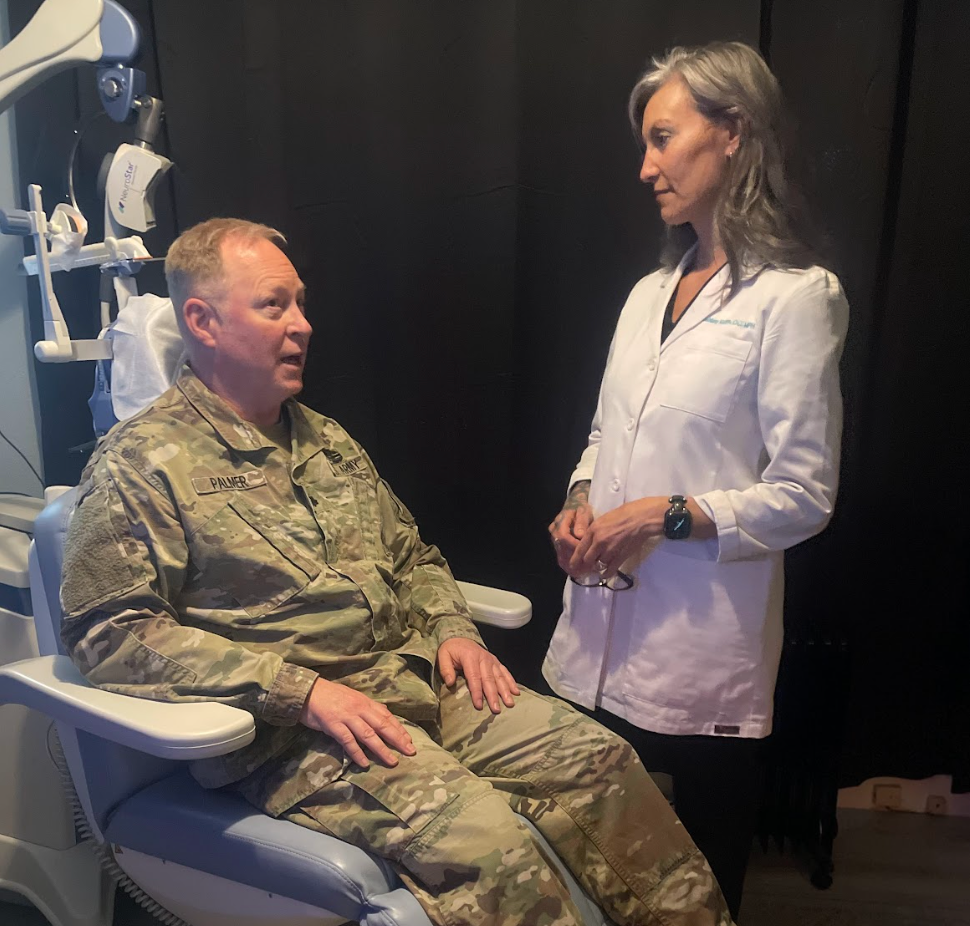
We know how frustrating it can be when you’ve tried things and still don’t feel better. That’s why we offer care that adapts to you - from traditional options like therapy and medication to modern tools like TMS and genetic testing. Everything we do is built to support your healing, your way.

Treatment Expectations

Personal Care Team

Compassionate and Experienced

We combine science-backed treatments with compassionate care to ensure that each patient receives the support they need. Our team of highly trained mental health professionals works closely with individuals to develop personalized treatment plans that align with their goals, lifestyle, and unique needs.

Medications didn’t work. Therapy wasn’t enough.

Crossed Off Your Options? There’s Still Hope

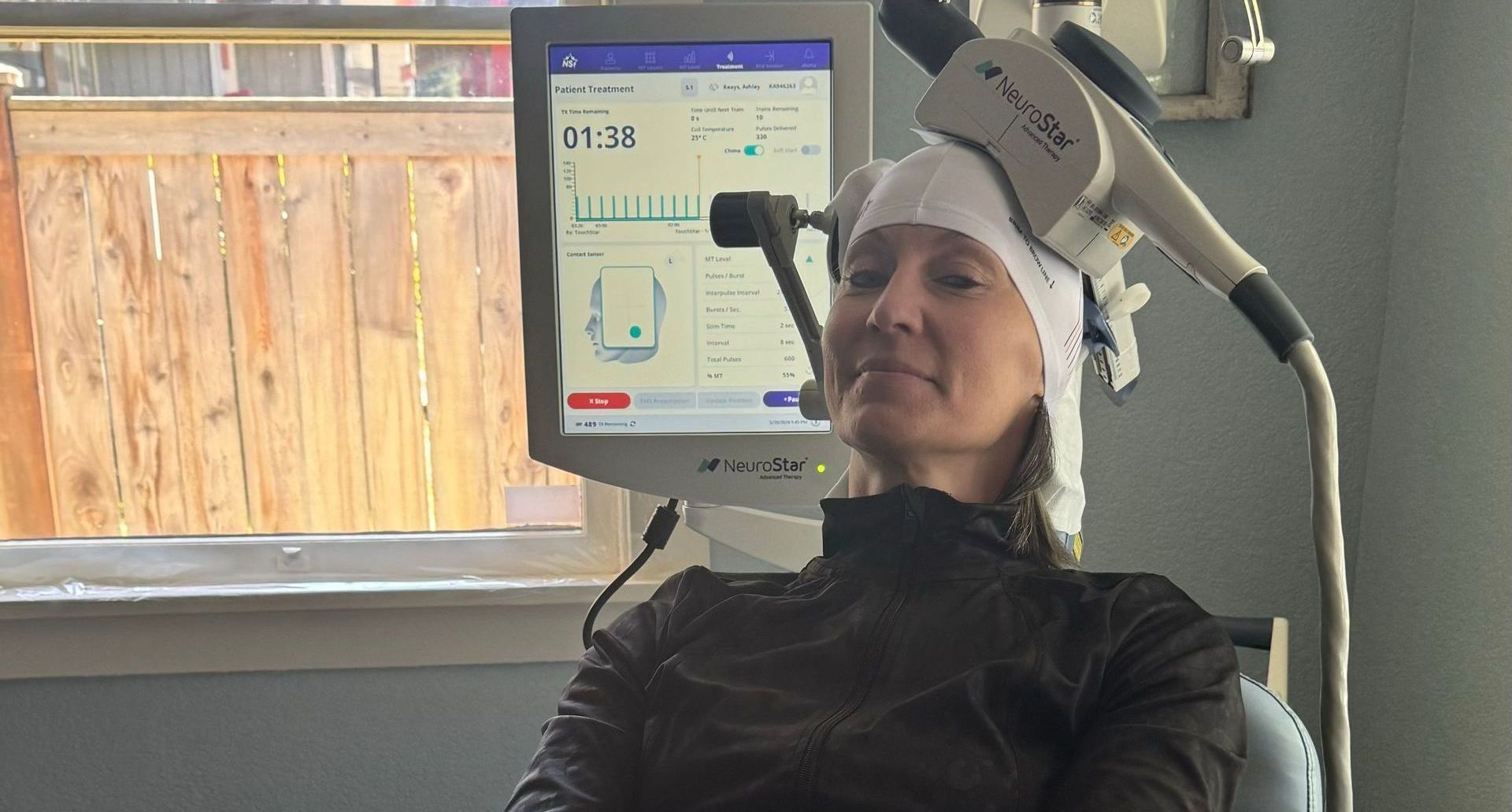
If traditional treatments haven’t worked, it’s time to explore a proven alternative. Safe, effective and medication-free. See if TMS is the right option for you.

Take the Quiz →

Treatments We Offer

Creative Wellness TMS offers a full spectrum of mental health services, including talk therapy, medication management, and advanced interventional psychiatric treatments like Transcranial Magnetic Stimulation. Each service is thoughtfully designed to support your unique needs.

Counseling & Therapy

View Service

Genetic Testing

View Service

Medication Management

View Service

TMS Therapy

View Service

How It Works

  • Tell Us What’s Going On

    Take the quiz or send us a message. Your responses go straight to our care team (not a bot) so we can understand what you’re going through and how we can help.

  • Get Matched With a Personalized Plan

    Our clinicians review your information and recommend treatments tailored to you. Options may include therapy, medication, TMS, genetic testing, or a thoughtful combination based on your needs.

  • Begin Care That Makes Sense for You

    Whether it's weekly therapy, a medication plan, or a TMS schedule, we'll walk with you each step of the way. We’ll track progress, adjust as needed, and support you for the long haul.

  • Tell Us What’s Going On

    Take the quiz or send us a message. Your responses go straight to our care team (not a bot) so we can understand what you’re going through and how we can help.

  • Get Matched With a Personalized Plan

    Our clinicians review your information and recommend treatments tailored to you. Options may include therapy, medication, TMS, genetic testing, or a thoughtful combination based on your needs.

  • Begin Care That Makes Sense for You

    Whether it's weekly therapy, a medication plan, or a TMS schedule, we'll walk with you each step of the way. We’ll track progress, adjust as needed, and support you for the long haul.

Treatment Expectations

Not Sure Where to Start? We Can Help

With so many treatment options, finding the right one can be overwhelming. Let’s make it easier. Answer a few quick questions, and we’ll help you discover what might work best for you

Take the Quiz →

Why Choose

Creative Wellness?

Choosing the right mental health provider is important, and you deserve compassionate, expert care. At Creative Wellness, we provide personalized, evidence-based treatments that help patients take control of their mental health. Here's why so many trust us:

Insurance & Flexible Payment Options

Comprehensive, Holistic Mental Health Solutions

Experienced, Compassionate Care Team

Advanced Genetic Testing for Precision Medicine

Minimally Invasive & Side Effect-Free Alternatives

Proven Success & High Efficacy

83%


of patients experienced symptom improvement, with 62% achieving full remission after completing TMS.

"From the first visit, Creative Wellness exceeded my expectations. Dr. Keays and her staff are genuine, the results are real, and the atmosphere is empowering. The care that I received from Creative Wellness has transformed my life enormously."

"I cannot say enough about Creative Solutions, Dr. Simonsen, his staff, and TMS. I was skeptical but decided to give it a try. They were very thorough in explaining the what's/why's/how's and extremely professional every step of the way. I feel better than I have in YEARS."

"TMS therapy was super helpful, I came to him with severe depression and taking meds that helped very minimally! I was impressed with how quickly I noticed changes with my mental health and my desire to actually want to get up and do things where as before I had zero desire for anything! "

Tailored Care, Built Around You

Featured Resources

A medical professional in a lab coat sits at a small table, typing on a laptop and looking at the screen.
By Ashley Keays March 30, 2026
If you’re considering TMS therapy, one of the first questions you probably have is: “Will I actually qualify?” The answer depends on a structured clinical evaluation - a process that goes well beyond a simple checklist. At Creative Wellness TMS, our clinicians assess multiple dimensions of your health history and current symptoms before recommending TMS. This article walks you through exactly what that evaluation involves, so you arrive at your first consultation fully informed. Why the Evaluation Matters TMS is not a one-size-fits-all treatment. It is FDA-approved for specific conditions, requires a meaningful time commitment (typically five sessions per week for four to six weeks) , and carries contraindications for certain patients. The evaluation exists to protect you - ensuring TMS is both safe and likely to be effective given your individual situation. Skipping or rushing this process would be a disservice. A thorough evaluation is what separates a treatment plan built around your needs from a generic one . Step 1: Confirming Your Diagnosis and Condition Severity The evaluation begins with a clear picture of your diagnosis. TMS is FDA-approved for: Treatment-resistant major depressive disorder (MDD) in adults Obsessive-compulsive disorder (OCD) Major depressive disorder in adolescents aged 15 and over (via the NeuroStar system, which Creative Wellness uses - the only FDA-cleared TMS device for this age group) TMS can also be offered as an off-label treatment for conditions including anxiety, PTSD, and certain neurological presentations . In these cases, your clinician will discuss the current evidence base with you and set realistic expectations around outcomes and insurance coverage. Symptom severity is assessed using standardized clinical tools. For depression, this typically involves validated rating scales that measure how significantly your symptoms are affecting your daily life - your sleep, concentration, mood, energy, and ability to function at work or in relationships. This baseline measurement also serves as a reference point for tracking your progress once treatment begins.
A professional sitting at a desk consults with a patient, holding a colorful informational brochure.
By Ashley Keays March 30, 2026
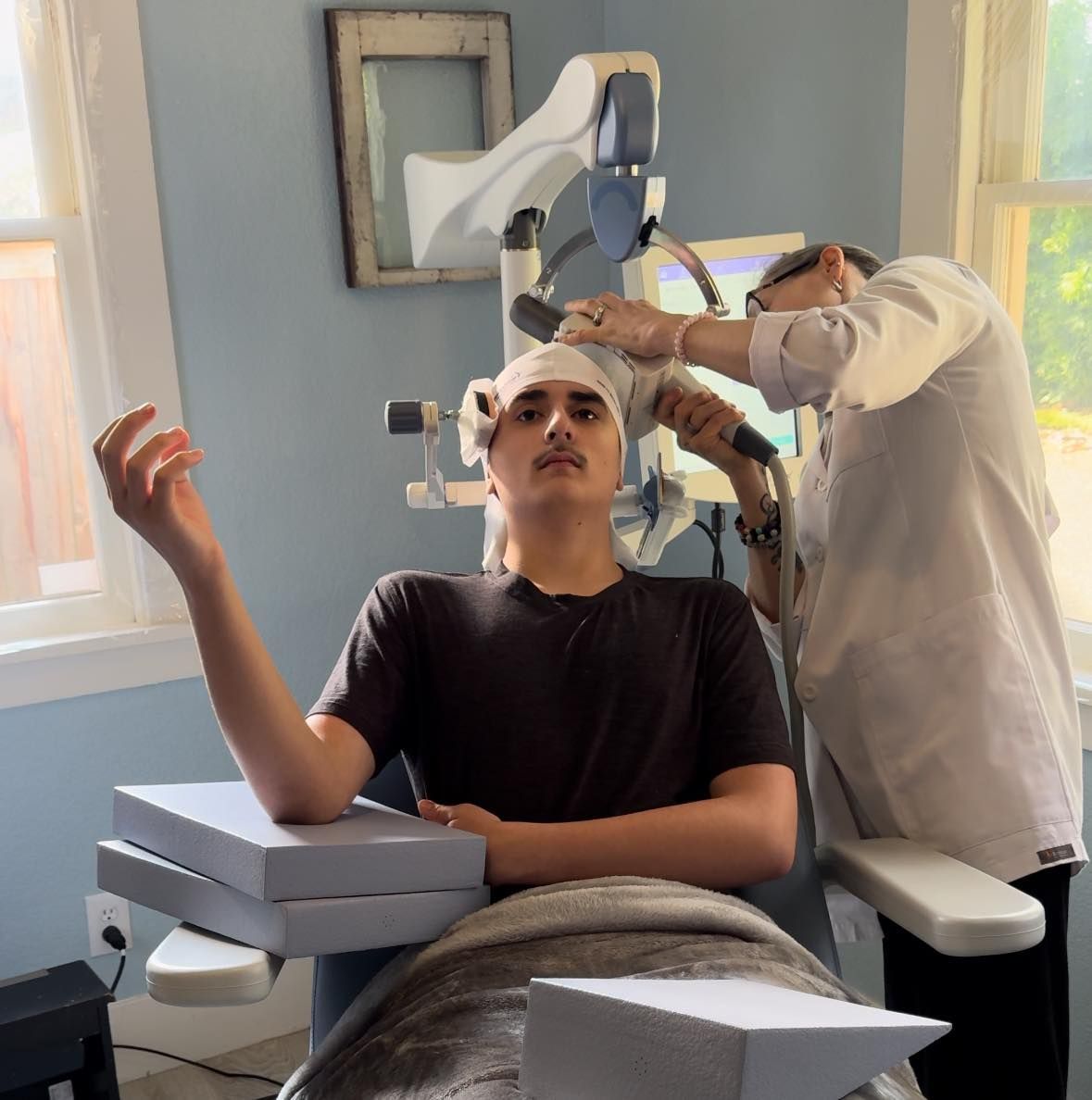
Transcranial magnetic stimulation (TMS) is a proven, FDA-approved treatment for conditions like treatment-resistant depression and OCD - and for many patients, a single course of TMS delivers meaningful, lasting relief. But for others, the journey looks a little different. Some patients benefit from a second course of TMS, periodic booster sessions, or an ongoing maintenance plan to sustain their results over time. If you've completed TMS and are wondering what comes next - or if your clinician has mentioned the possibility of additional treatment - this guide will help you understand why repeat courses happen, how decisions about further treatment are made, and what maintenance TMS can look like in practice. What Is a TMS Course, and How Does It Typically Work? A standard course of TMS at Creative Wellness typically involves daily sessions, five days a week, over four to six weeks. Each session lasts approximately 20 minutes. During treatment, magnetic pulses are precisely delivered to areas of the brain associated with mood regulation, gradually encouraging healthier neural activity. Many patients begin noticing improvements within the first few weeks, and results often continue to develop after the course concludes. For a significant proportion of patients, this initial course produces sustained symptom relief - sometimes for a year or more. However, TMS is not a one-size-fits-all treatment. The brain is complex, mental health conditions vary enormously between individuals, and factors like the severity of symptoms, prior treatment history, and the presence of other conditions all influence how someone responds to TMS. Why Some Patients Benefit From More Than One Course The need for additional TMS treatment doesn't mean the first course failed - in most cases, it means the opposite. Here are the most common reasons a patient might return for further TMS: 1. Symptom Recurrence Over Time C onditions like treatment-resistant depression are chronic for many people . Even when TMS produces an excellent initial response, symptoms can return over time - particularly during periods of heightened stress, major life changes, or seasonal shifts. This is not unique to TMS; it reflects the nature of the underlying condition. In these cases, a repeat course of TMS can effectively re-establish the neural changes that reduced symptoms in the first place. Research suggests that patients who have responded well to TMS previously are likely to respond well again. 2. Partial Response to the Initial Course Some patients experience meaningful improvement during their first TMS course but don't achieve full remission. This partial response is still clinically significant - and it often means the brain is showing signs of neuroplasticity that a second course can build upon. In these situations, a clinician may recommend adjusting the treatment protocol — including targeting different brain regions, modifying the frequency or intensity of pulses, or extending the overall course length — to optimize outcomes. 3. Complex or Comorbid Conditions Patients managing multiple mental health conditions - such as depression alongside PTSD, OCD, or anxiety - often have more complex treatment needs. TMS may need to be applied across different brain regions or protocols to address overlapping symptoms, which can mean a longer or more phased treatment journey. 4. Medication Changes or Life Stressors Significant changes to a medication regimen, a major health event, or a sustained period of stress can sometimes destabilize progress. TMS can play a stabilizing role during these periods, either through a short booster series or a more structured maintenance plan.
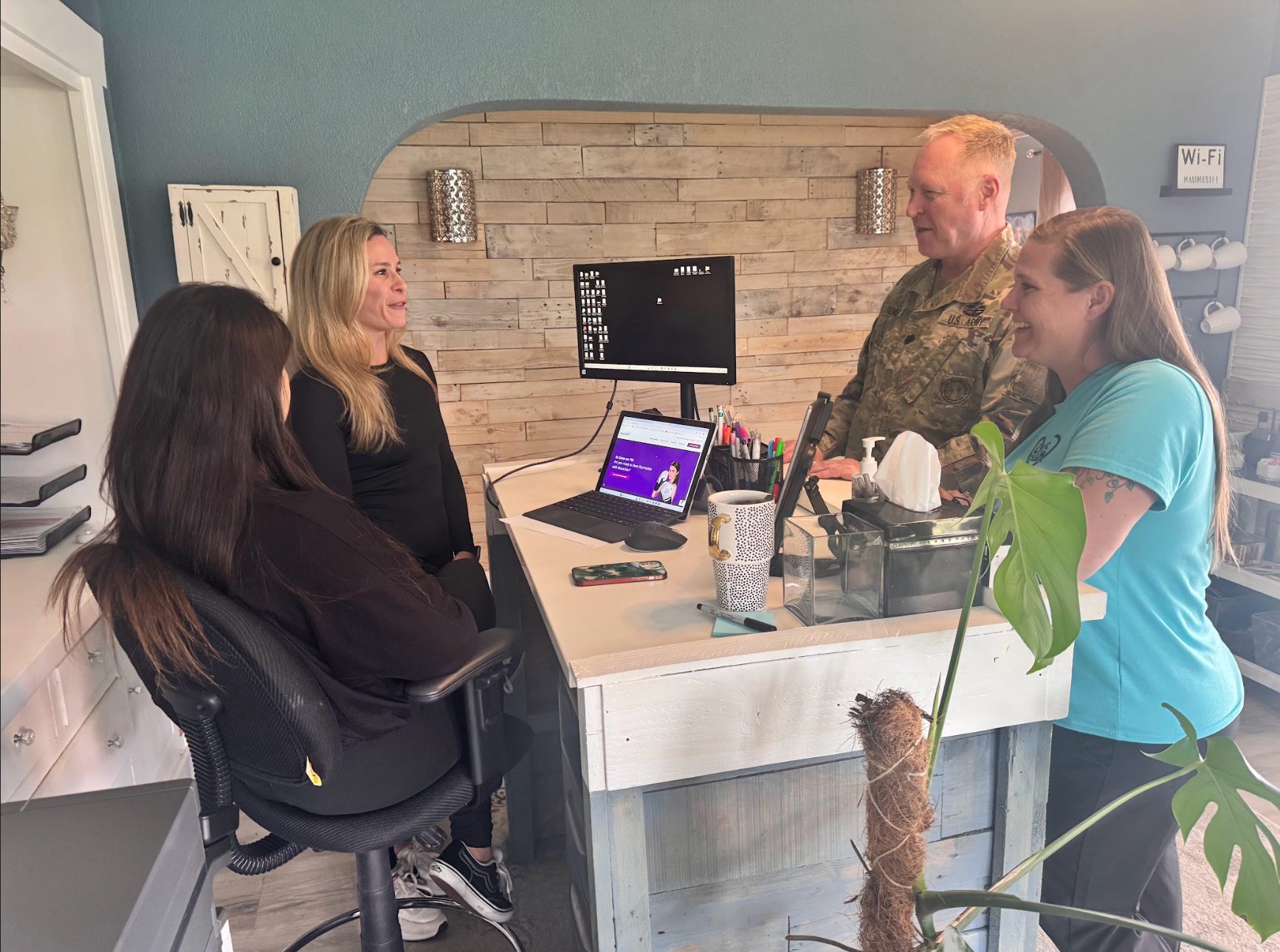
Four people talk around a desk in an office with a brick wall, focusing on a laptop screen and a desktop monitor.
By Ashley Keays March 30, 2026
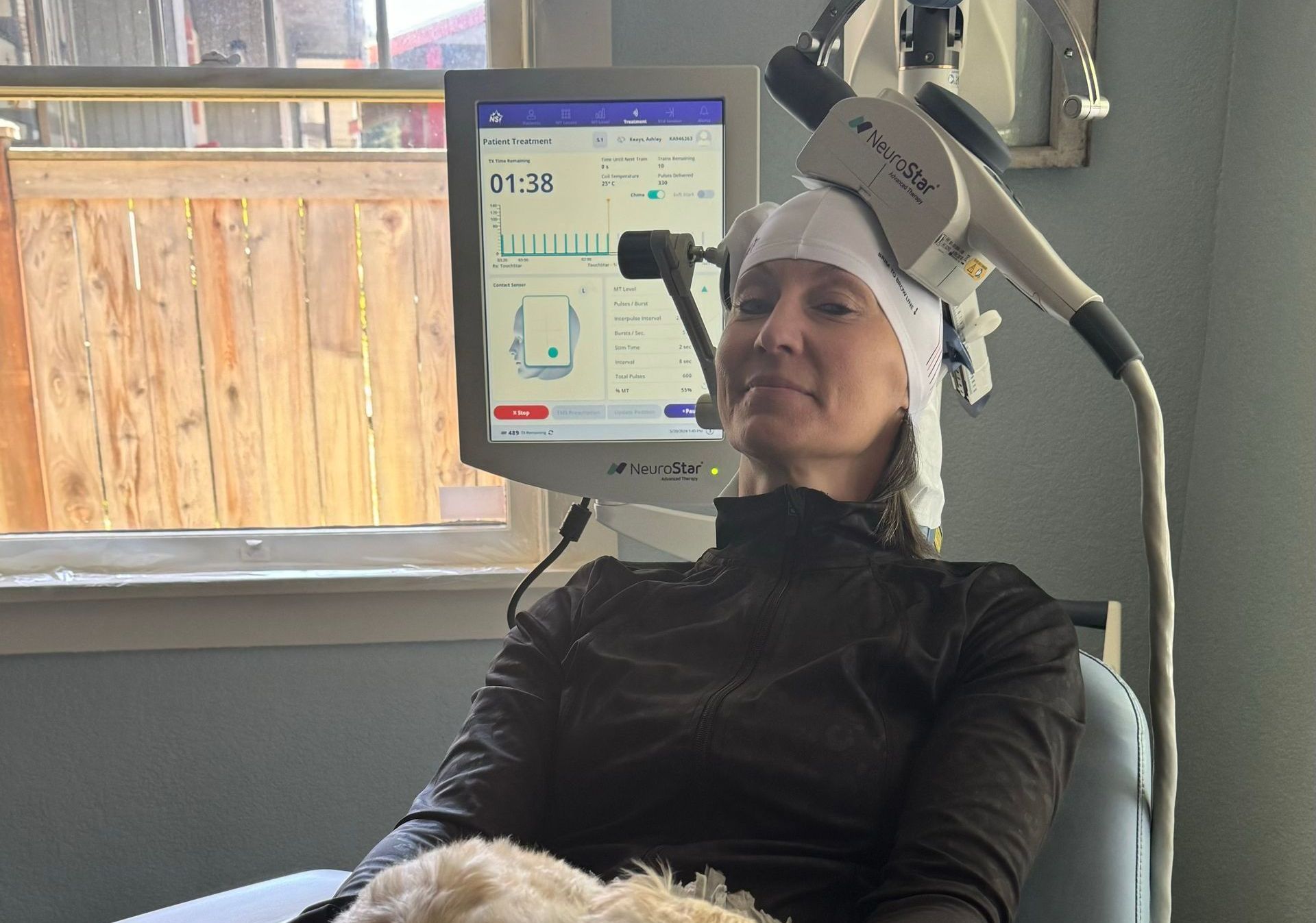
Quick overview When you begin Transcranial Magnetic Stimulation (TMS), one of the most important steps is motor-threshold mapping. Mapping is a quick, clinician-led procedure that measures how your brain responds to single magnetic pulses and uses that information to set a safe, personalized stimulation dose. Because TMS effectiveness and safety depend on correct dosing and placement, mapping is a cornerstone of MD-led TMS care at Creative Wellness. What is motor-threshold mapping? Motor-threshold mapping determines the smallest amount of magnetic energy needed to reliably produce a measurable motor response in a target muscle (usually a thumb or finger). That value - the motor threshold - tells clinicians how excitable the motor cortex is for a specific patient. The clinic then prescribes treatment intensity as a percentage of that threshold, so the therapeutic pulses are individualized rather than “one size fits all.” In practice, mapping is a physiologic test: the clinician delivers single TMS pulses over the motor cortex and observes or records the resulting muscle twitch or electrical signal. The result is an objective number that guides dosing and placement across the rest of the treatment. Mapping is both a safety and efficacy tool. What clinicians measure Motor response - the clinician looks for a consistent muscle twitch (typically in the hand/thumb) in response to single magnetic pulses. Some clinics use surface electromyography (EMG) to record muscle responses; others observe the twitch visually. Resting motor threshold (RMT) - the lowest stimulation intensity that produces a motor response a defined percentage of the time (a reproducible, clinic-defined threshold). RMT is the standard measure used to normalize the dose. Scalp coordinates - mapping also helps identify the motor cortex location relative to the patient’s scalp so clinicians can localize the treatment target ( for depression, typically the left dorsolateral prefrontal cortex ) with greater precision. How mapping determines treatment intensity Mapping converts a physiologic measurement (the motor threshold) into a personalized treatment dose. Treatment protocols are expressed as a percentage of the motor threshold - for example, a protocol may prescribe stimulation at a set percentage above RMT. By tying the dose to each patient’s threshold, clinicians ensure the brain receives effective, but not excessive, stimulation. Two practical benefits of this approach: Safety : By using an individualized threshold, clinicians reduce the chance of overstimulation, which helps minimize rare adverse events (for example, seizures) and other side effects. Effectiveness : Personalized dose improves the likelihood that the targeted brain region receives an adequate stimulation dose to produce meaningful changes in neural networks. Proper placement and dose together improve clinical outcomes over scalp-based “fixed” dosing methods.
Two people sitting in wooden chairs facing each other in a bright room, one holding a book while laughing.
By Ashley Keays March 16, 2026
Quick overview Your first Transcranial Magnetic Stimulation (TMS) consultation sets the clinical plan and expectations . Use this checklist to make the most of your visit - safety screening, medications, insurance, likely outcomes, and scheduling are all covered. Quick, how to use these lists Bring this checklist to your appointment (or print it). Ask the clinician any questions you don’t understand - you should leave the consult with a clear plan, a timeline, and next steps (benefit checks, mapping, prior-auths). Diagnosis & treatment goals Ask these to confirm why TMS is being recommended and what success looks like. “What is my (or my child’s) official diagnosis and why do you recommend TMS?” - Confirms medical rationale and whether TMS is first-line or for treatment-resistant cases. “What are realistic treatment goals for me?” - Ask about measurable goals (sleep, mood, school/work performance). “How will we measure success?” - Symptom scales, patient-reported changes, or clinical interviews. Safety & medical screening Safety is essential. These questions clarify screening steps and rare risks. “What screening do you do before TMS?” The clinic should describe seizure history review, neurologic checks, and device/implant screening. “Do I have any contraindications (implants, neurological issues, pregnancy)?” “What are the most common side effects, and how often do serious events (like seizures) occur?” Expect an honest but reassuring answer; the clinic should explain mitigation steps. “Who will be watching for side effects during sessions?” MD oversight and session checks should be explained. Medication & medical coordination Medications matter for safety and effectiveness - get specifics. “Which of my medications raises concern for TMS?” Ask about bupropion, high-dose TCAs, certain antipsychotics, stimulants, or benzodiazepines. The team should review your full med list and explain any needed coordination. “Do I need to stop or change any medicine before or during TMS?” Clinics usually won’t change meds without coordination; ask how they will work with your prescriber. “How will you coordinate with my psychiatrist or primary prescriber?” Expect a description of direct communication and shared decision-making. The MD evaluation, mapping & the treatment course Understand the clinical mechanics, so you know what to expect. “What happens at the MD evaluation and motor-threshold mapping?” Mapping personalizes dose and placement and is part of safety planning. Ask how long it takes and what it feels like. “How many sessions will I likely need, and what is a typical schedule?” Get a range (e.g., daily weekday sessions for ~4–6 weeks for many protocols) and whether plans are individualized. “What should I expect during a session?” Typical sensations, session length, and recovery (most return to normal activities). Insurance, prior authorization & cost Make sure administrative steps are clear. “Is TMS typically covered by my insurance? What documentation do you submit? Clinics should describe prior-auth requirements (diagnosis, med/therapy history) and benefits checks. (If TriWest or other military coverage applies, ask about adolescent specifics.) “How long does prior authorization usually take, and who will handle it?” Expect the clinic to manage submissions and follow-up. “What are likely out-of-pocket costs and payment options if we choose self-pay?” Learn More : Pricing
By Ashley Keays February 17, 2026
Quick overview Many teens 15 and older can be considered for Transcranial Magnetic Stimulation (TMS) , but eligibility depends on diagnosis, prior treatments, and insurance rules. This guide walks you through the clinical criteria, what TriWest’s change means for families, the paperwork you’ll need, and how Creative Wellness helps get teens from consult to treatment. The big change - TriWest and adolescent TMS In October 2025, TriWest updated its coverage policy to expand TMS coverage to adolescents ages 15 and older . That matters for military families and TriWest-covered dependents because it opens a pathway for in-network coverage of TMS for qualifying teens. NeuroStar also notes that NeuroStar Advanced Therapy is indicated as an adjunctive treatment for Major Depressive Disorder (MDD) in adolescents 15–21 . Clinical eligibility - the checklist clinicians (and insurers) look for Insurance policies and clinical teams generally use similar rules when deciding whether a teen is a candidate for TMS. Use this as a quick checklist : Basic clinical criteria Age: ≥ 15 years old (TriWest-adopted floor; NeuroStar adolescent indication 15–21). Primary diagnosis: Major Depressive Disorder (MDD) - documented by a psychiatrist or qualified clinician. Treatment history: Documented failure of at least two adequate antidepressant trials from different pharmacologic classes (for example, an SSRI + an SNRI), given at therapeutic dose and for an adequate duration. Insurers require clear dates, doses, and reasons for discontinuation. Psychotherapy tried: The teen has not responded adequately to psychotherapy (e.g., CBT) - usually documented therapist notes or a clinician summary are required. Safety / absolute contraindications (typically reviewed during clinical screening) Presence of non-MRI-compatible metal in the head (implants) that would make TMS unsafe. Certain neurological conditions (e.g., uncontrolled seizure disorder) - TMS is generally safe, but seizure history requires physician review. Other medical factors identified during the MD evaluation (cardiac devices, implanted stimulators, etc.). See your clinic’s safety checklist. (Your clinic will screen thoroughly.) Some insurers require an explicit statement that TMS is being requested as a medical treatment for MDD after medication and therapy failures, not as an elective procedure. What documentation to gather - a parent’s checklist When you contact Creative Wellness (or another clinic) and when the clinic files an insurance prior authorization, having clear documentation speeds decisions. Collect the following before the consult whenever possible: A. Psychiatric documentation Recent psychiatric evaluation (or summary) stating diagnosis of MDD and current symptoms. Medication history : names of antidepressants, start/stop dates, doses, duration, and reasons for discontinuation or perceived inadequacy (side effects, lack of benefit). Insurers expect explicit documentation that at least two antidepressants from different classes were tried adequately. Lab / medical notes if applicable (e.g., relevant medical history that affects treatment). B. Psychotherapy documentation Therapist progress notes or summary showing that an evidence-based psychotherapy (e.g., CBT) was tried and did not provide an adequate response. Dates and frequency of therapy are helpful. C. School / functional impact (helpful but optional) A short letter about how symptoms are affecting school, social life, or daily functioning can strengthen medical necessity arguments. D. Insurance & ID Front/back of insurance card, subscriber info, and any military/membership ID (e.g., TriWest details). For TriWest patients, note the adolescent coverage update (Oct 21, 2025) and be prepared to request eligibility confirmation. E. Contact information for prior providers Therapist and prescriber contact details so the clinic can obtain records when needed.
By Ashley Keays February 17, 2026
Quick overview Starting Transcranial Magnetic Stimulation (TMS) can feel like stepping into the unknown . While most providers explain the basics, many patients still wonder: What will I feel each day? Will I be able to work? Are side effects common? When will I notice changes? Below is a realistic, day-by-day look at the first week of a typical TMS course at Creative Wellness , so you can begin treatment feeling informed and confident Day 1: Your First Session What happens: Your care team (physician or supervised clinician) will do motor-threshold mapping to find the right coil placement and stimulation level — this personalizes your dose. The first visit usually takes longer than future visits (about 30–60 minutes). What it feels like: You’ll feel a tapping or rhythmic sensation on the scalp where the coil sits. Mild facial muscle twitching is common and normal. Some people report scalp sensitivity during or after the session. Afterward: Most people can drive themselves home and return to normal activities the same day. Plan a light schedule on the first afternoon in case you feel tired or have a mild headache. Day 2–3: Getting Used to It What changes: Sessions are usually shorter (around 15–30 minutes) and follow a predictable routine. The tapping sensation becomes more familiar and less distracting. Common experiences: Mild headache or scalp tenderness that typically responds to OTC analgesics. Feeling tired after some sessions (others feel energized — responses vary). Most people continue working or attending school without issue. Stay hydrated and eat a light snack before your session to reduce the chance of headaches or fatigue. Day 4–5: Settling Into Routine What you’ll notice The treatment routine often “feels normal.” Appointments fit more easily into the day, and initial sensitivity usually lessens. Some patients notice small early changes such as improved sleep, a subtle lift in mood or more energy - but meaningful mood improvement often takes more time. Keep in mind The first week is primarily about adjustment and building consistency. Don’t be discouraged if you don’t feel dramatic changes yet - many patients start noticing clearer benefits around weeks 2–4.
Read our Blog

Request Appointment

For more details or to schedule a consultation, give us a call at 253-900-1605 or fill out our online form.

What Happens Next ?

Personalized recommendations based on your needs

Guidance on insurance & payment options

Get answers to your questions about our treatments

1800 Cooper Point Road SW, Olympia, WA 98502

Contact Us

Locations