TMS Therapy Near Me: Your Complete Guide to TMS in Washington

If you’ve searched “TMS therapy near me” in Washington, you’re probably looking for two things: a treatment that actually works, and clear answers about what to expect. This guide covers what TMS is, who it’s for, how long it takes, what results can look like, and how it compares to medication-based options like Spravato (esketamine)—with a local focus on the South Sound / Greater Puget Sound area.
Creative Wellness TMS offers TMS in Olympia, University Place, and Yelm, serving nearby communities across the region.
What Is TMS Therapy?
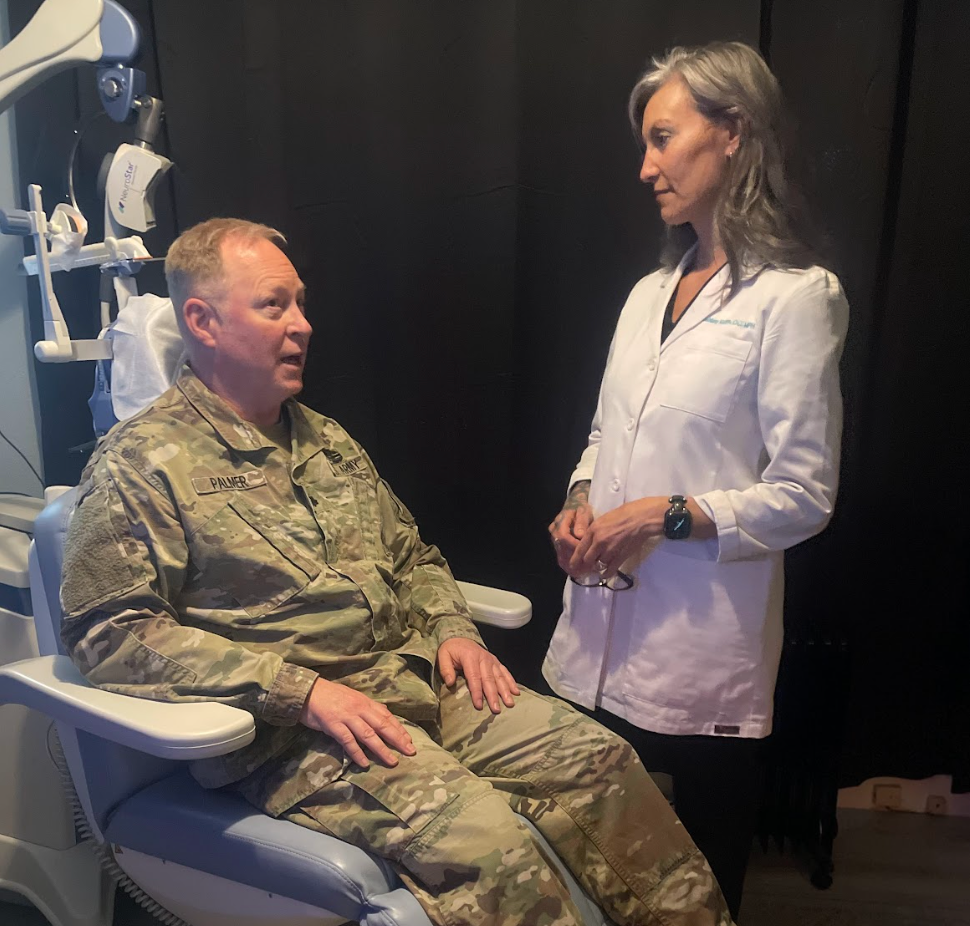
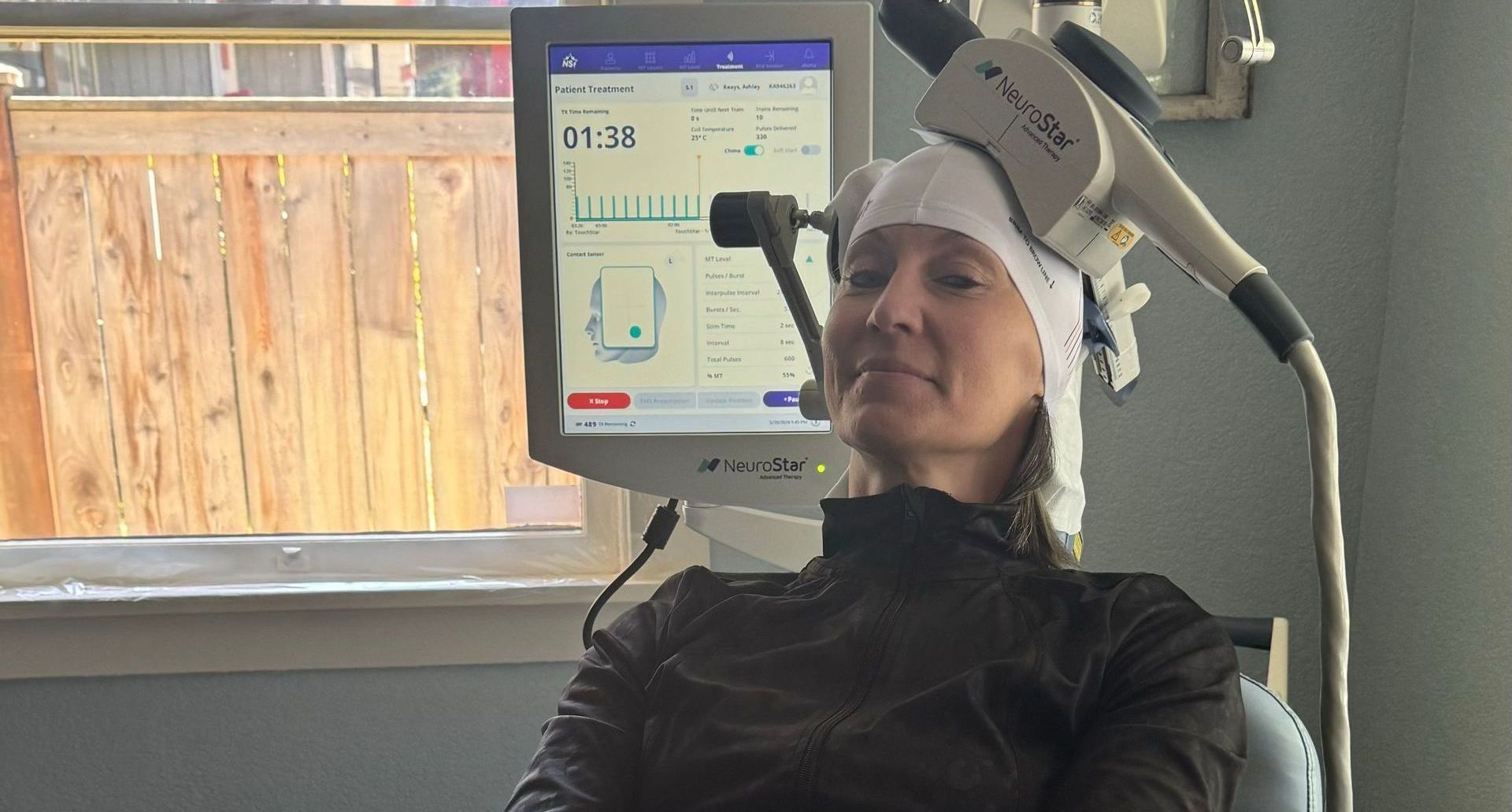
Transcranial Magnetic Stimulation (TMS) is an FDA-approved, non-invasive outpatient treatment that uses magnetic pulses to stimulate areas of the brain involved in mood regulation. It does not circulate through the body the way medications do, and sessions are short with no downtime.
Who Is TMS For?
TMS is most commonly used for treatment-resistant depression and is also FDA-approved for OCD, with some clinics using it off-label for symptoms related to anxiety and other conditions, depending on clinical judgment and fit.
TMS is often a great next step if:
- You’ve tried therapy and/or medications and still feel stuck
- Medications caused side effects you couldn’t tolerate
- You want a non-medication treatment option
- You need a treatment you can do and still keep up with work/school/family
What the TMS Treatment Timeline Looks Like
A typical TMS course is:
- 1 session per day
- 5 days per week
- for about 4–6 weeks
- with sessions lasting about 20 minutes (varies by protocol)
Most people drive themselves to/from appointments and return to normal activities right after.
When Do People Start Feeling Better?
Everyone’s timeline is different, but many patients notice early changes (sleep, energy, motivation) within the first few weeks, with improvement building over the full course. The key is consistency-TMS tends to be cumulative.
How Long Do TMS Results Last?
This is one of the most common questions. Many people maintain improvement for months or longer, and some choose booster sessions or a short repeat course later if symptoms return. (Your clinician can help plan relapse prevention based on your history and risk factors.)

Interested in learning more?
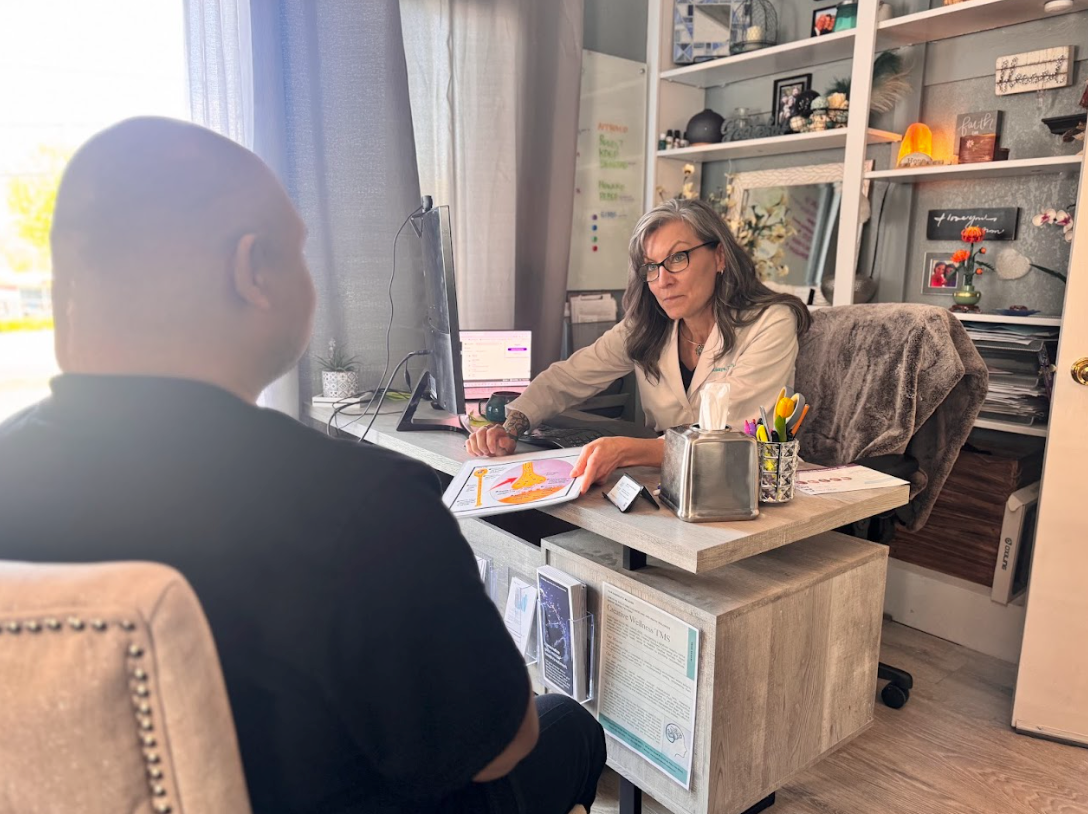
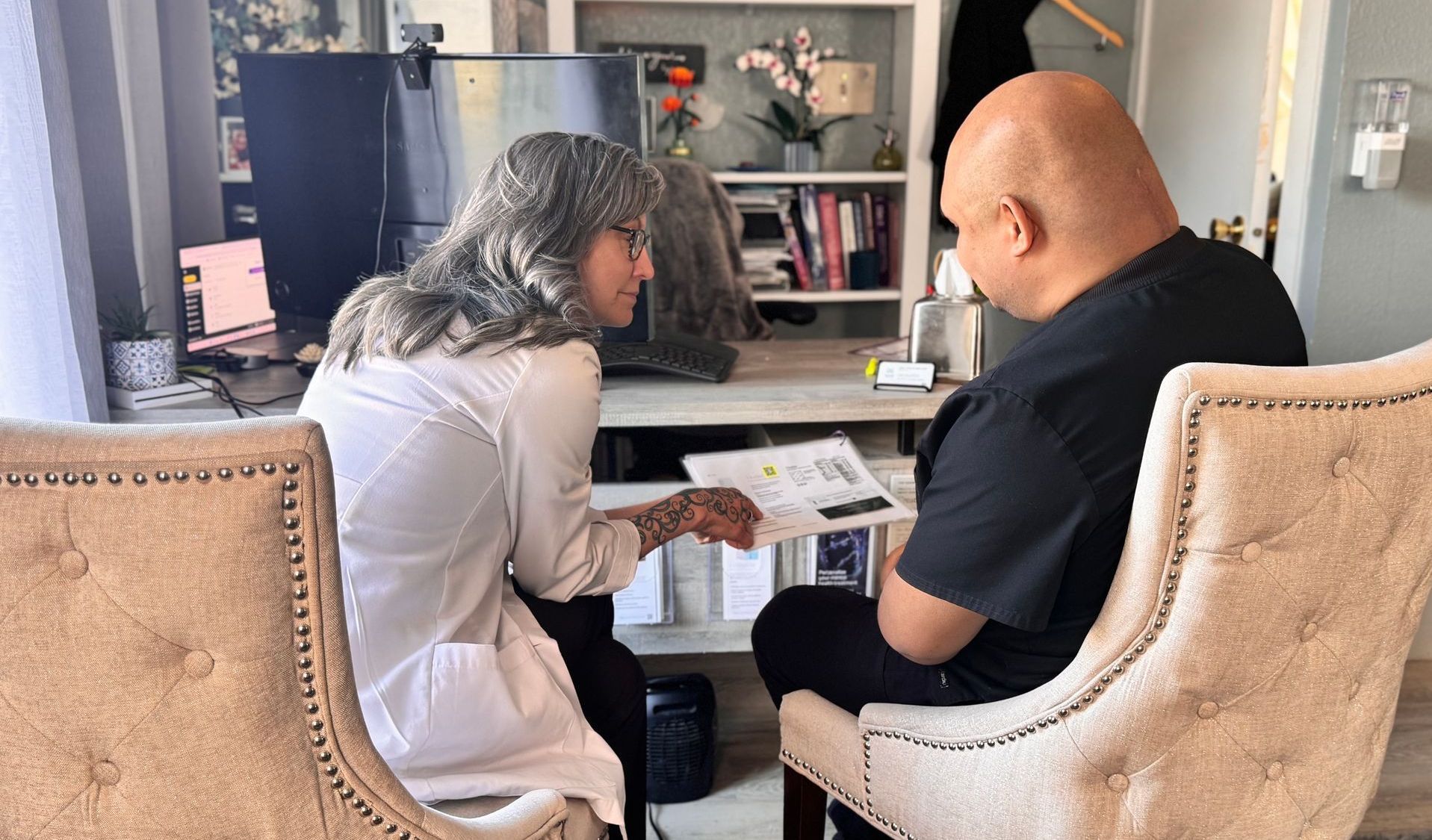
Schedule a consultation to see if TMS could be right for you.
Visit our contact page or call 253-900-1605 to speak with our team.
TMS vs. Spravato vs. Medications: What’s the Difference?
When people search “near me,” they’re often comparing options. Here’s a practical breakdown:
TMS (magnetic stimulation)
- Non-invasive, medication-free
- Short sessions, no sedation
- Typically gradual improvement over weeks
- Often chosen after meds haven’t worked well
Spravato (esketamine nasal spray)
- Medication-based treatment done in a clinic
- Requires monitoring time after dosing
- Some people feel changes more quickly
- May be a fit when faster symptom relief is needed or when other options haven’t helped
Traditional antidepressant
- Often first-line
- Can take weeks to help, and may require trial-and-error
- Side effects can limit the benefit for some patients
Creative Wellness TMS offers both TMS and Spravato at the University Place clinic (and may vary by location), making it easier to choose the right plan without starting over at a new provider.
Cost, Insurance, and What to Ask
Many people hesitate because of cost. Creative Wellness TMS states that a full TMS course is $5,000 and notes that many insurance companies provide coverage, with self-pay options also available.
Where to Get TMS in Washington
If you’re in the South Sound / Puget Sound area, Creative Wellness TMS lists clinic locations in:
- Olympia, WA (1800 Cooper Point Rd SW #20B, Olympia, WA 98502)
- University Place, WA (8404 27th Street W, University Place, WA 98466)
- Yelm, WA (211 Yelm Ave W, Yelm, WA 98597)
They also note that they serve surrounding areas, including Tacoma, Fircrest, and nearby communities.
How long is each TMS session?
Around 20 minutes for a standard session (protocol-dependent).
Can I go back to work after TMS?
Most people return to normal activities right away since TMS is outpatient and non-sedating.
Is Spravato available too?
Describe the item or answer tinterested site visitorshe question so that site visitors who are interested get more information. You can emphasize this text with bullets, italics o,r bold, and add links.