TMS Side Effects: What’s Normal and What’s Not?
Is TMS Therapy Safe?
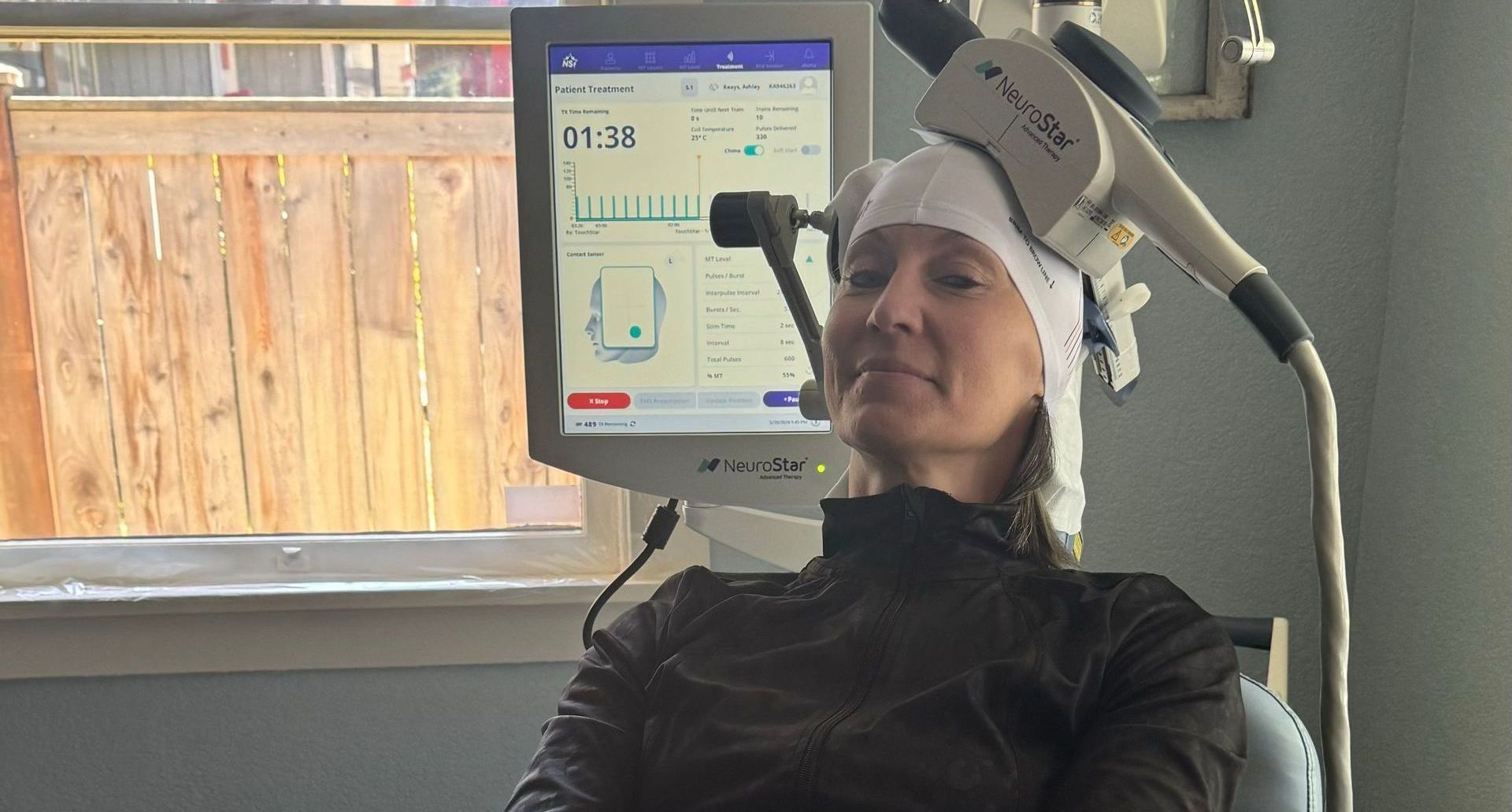
Yes. TMS is FDA-approved and has been studied extensively for decades. It is considered a non-invasive, medication-free treatment with a strong safety profile - especially compared to many antidepressant medications.
Unlike medications, TMS:
- Does not circulate through the bloodstream
- Does not cause systemic side effects
- Does not require anesthesia or sedation
Most patients tolerate TMS very well, even those who have struggled with medication side effects in the past.
Common TMS Side Effects (What’s Normal)
These side effects are mild, temporary, and expected for some patients - especially during the first 1–2 weeks of treatment.
1. Scalp Discomfort or Tingling
- A tapping or tingling sensation at the treatment site
- Typically fades as your brain and scalp adjust
- Can be managed by adjusting stimulation intensity
2. Mild Headache
- Often described as tension-type headaches
- Usually short-lived and responsive to over-the-counter pain relief
- Less common as treatment continues
3. Facial Muscle Twitching During Treatment
- Caused by stimulation of nearby nerves
- Occurs only during the session
- Harmless and temporary
4. Temporary Fatigue
- Some patients feel slightly tired after sessions
- Usually improves as treatment progresses
- Does not impair daily functioning
- These effects typically resolve quickly and do not interfere with work, driving, or daily activities.
Less Common TMS Side Effects
These side effects are uncommon but may occur in a small percentage of patients:
- Lightheadedness
- Mild nausea (rare)
- Increased anxiety early in treatment (usually temporary)
- Jaw discomfort during sessions
Your care team will monitor your response closely and make adjustments as needed.

Interested in learning more?
Schedule a consultation to see if TMS could be right for you.
Visit our contact page or call 253-900-1605 to speak with our team.
Rare but Serious Side Effects (What’s NOT Typical)
Serious side effects from TMS are extremely rare, but it’s important to be informed.
Seizures
- Occur in less than 0.1% of patients
- Risk is comparable to or lower than many antidepressant medications
- Careful screening minimizes this risk
Hearing Discomfort
- Prevented with ear protection, which is always provided
- No long-term hearing damage when proper precautions are used
At
Creative Wellness TMS, strict safety protocols and individualized treatment planning help keep risks exceptionally low.
How TMS Side Effects Compare to Antidepressant Medications
One reason many patients explore TMS is to avoid medication side effects, such as:
- Weight gain
- Sexual dysfunction
- Gastrointestinal issues
- Sleep disruption
- Emotional blunting
TMS does not cause these systemic effects because it does not involve
medication.
When Should You Contact Your Provider?
You should always reach out if you experience:
- Side effects that worsen or don’t improve
- New or concerning symptoms
- Increased discomfort that affects daily life
Your treatment team can adjust stimulation settings, session timing, or treatment plans to improve comfort.
What Most Patients Say
Many patients report that:
- Side effects are much milder than expected
- Discomfort decreases after the first few sessions
- Benefits outweigh temporary side effects
For many, the improvement in mood, energy, and clarity makes TMS a worthwhile and empowering experience.
Talk to a TMS Specialist About Your Concerns
If safety or side effects are holding you back, you’re not alone — and you don’t have to decide alone.
At Creative Wellness TMS, we provide:
- Personalized evaluations
- Clear safety education
- Ongoing monitoring throughout treatment
- Compassionate, patient-centered care
Schedule a consultation today to discuss whether TMS is a safe and appropriate option for you.