Genetic Testing Explained: Why We Offer It & What It Changes

Quick overview
Genetic testing is a precision-medicine tool that helps your clinician choose medications and doses more likely to work for you - reducing guesswork, unwanted side effects, and the time spent trialing medicines. At Creative Wellness, we use genetic testing as one important input in medication management, combined with clinical judgment, patient history, and close psychiatric oversight.
What is genetic testing for psychiatric medications?
Genetic testing (sometimes called pharmacogenetic testing) analyzes a person’s DNA to identify variations in genes that influence how medications are metabolized and how the brain responds to certain drugs. At Creative Wellness, we review a panel of genes (our program evaluates multiple genes that matter for drug metabolism and response) so clinicians can narrow medication choices and dosing options - potentially avoiding medications that are unlikely to help or that carry a higher risk of side effects for that person.
Why we offer genetic testing - the benefits
- Reduce trial-and-error: Rather than trying drug after drug for months, genetic testing helps identify medications and doses that fit a person’s metabolism and genetics, which can shorten the time to an effective treatment.
- Lower risk of adverse effects: Variations in metabolism genes explain why some patients get intolerable side effects or toxic levels at standard doses - testing flags these risks.
- Better dosing guidance: For some medications, genetics helps clinicians choose safer starting doses.
- Useful for multiple scenarios: Genetic testing is valuable for people starting medications for the first time, for those who’ve had bad side effects, and for those who haven’t responded to several prior medications. The variation that affects drug metabolism is common - present in the majority of people - so many patients can benefit.
What the test actually shows (and what it doesn’t)
What it shows
- Genetic variants in key metabolism enzymes and receptors that influence how quickly drugs are processed, and whether the patient is likely to be a poor, normal, or rapid metabolizer for a drug class.
- Guidance about specific drugs and drug classes - for example, medications that may be less effective for you or may require dose adjustments.
What it doesn’t show
- A guarantee that any single medication will work. Genetics is one piece of the puzzle - environmental factors, other medical conditions, interactions, and clinical history matter too.
- A complete prediction of side effects or long-term outcomes. Clinical judgment remains essential.
How genetic testing changes medication selection in practice
Here’s how the test informs decisions clinicians actually make:
- Eliminate unlikely options. If a medication is metabolized very slowly in a given patient, the clinician may avoid it or use a lower dose.
- Prefer drugs with favorable metabolism. If the panel suggests one medication has a higher likelihood of being effective and well tolerated, the clinician can prioritize that option.
- Adjust timing and monitoring. For medications where genes affect blood levels, clinicians can plan closer follow-up, slower titration, or lab monitoring.
- Coordinate complex regimens. When patients take multiple psychiatric medications, genetic results help avoid dangerous interactions or cumulative effects by clarifying metabolism pathways.
We Accept Insurance
Take a quick 1-minute quiz to check if you meet typical insurance criteria for TMS. It’s an easy way to see if you may qualify - no pressure, no commitment. If you're exploring other treatments or just want to talk it through, Get in touch. We're here to help you understand your benefits and next steps.





The Creative Wellness approach - how the testing process works
We aim for testing to be convenient, clear, and clinically useful.
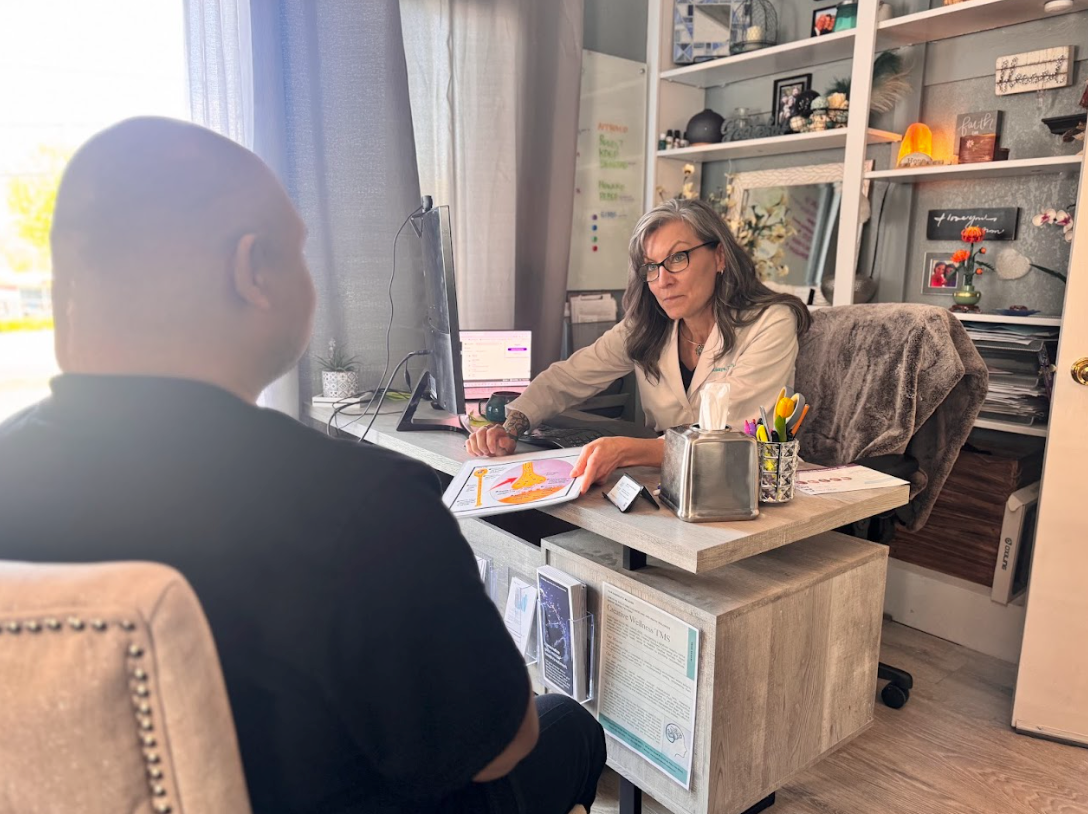
- Discuss & consent during a medication-management visit. Your clinician explains the test, how it may help, and answers questions. Genetic testing is optional but recommended when it’s likely to help medication decisions.
- Sample collection (two sessions). We collect a simple genetic sample (usually a cheek swab). The test is completed in two sessions: the initial sample collection and a follow-up visit when results are available. Result turnaround is typically about 2 weeks.
- Lab analysis & report. A certified lab analyzes the panel (the Creative Wellness workflow reviews a set of relevant genes) and provides a report that flags drug matches, cautions, and dosing notes.
- MD review & personalized plan. An MD or psychiatric prescriber at Creative Wellness reviews the results alongside your clinical history and makes medication recommendations - the genetic report informs but does not dictate the plan.
- Follow-up & monitoring. We follow your response closely, adjusting medications as necessary.
Cost, insurance & timing
- Timing: Results are commonly available about two weeks after sample collection; Creative Wellness reviews the findings with you in the follow-up session.
- Cost/insurance: Some insurers cover genetic testing; others do not. Creative Wellness accepts several major insurance plans and also offers self-pay options and financing resources. We check benefits and discuss likely costs during your visit so you can make an informed decision.
Who benefits most from testing?
- People starting psychiatric medication - especially if you want to minimize trial-and-error.
- Anyone with prior adverse reactions to antidepressants or antipsychotics.
- Patients with multiple prior medication failures - the test provides additional data to guide next steps.
- Families with complex medication regimens where drug interactions and metabolism matter.
Because variations that affect drug metabolism are common, genetic testing can be useful across many clinical situations - your clinician will advise whether it’s a good fit.
Limitations & important caveats
- Not a perfect predictor. Genetics improves odds but is not destiny - many non-genetic factors affect response.
- Different labs & panels vary. Not every test covers the same genes or reports in the same way; Creative Wellness uses clinically vetted panels and interprets findings in context.
- Ethical & privacy considerations. Genetic information is sensitive - we follow strict privacy and consent procedures. We’ll discuss how results are stored and used.
- Clinical judgment reigns. Your clinician integrates the genetic report with symptom history, side-effect profile, comorbidities, and patient preferences.
How long does testing take?
Sample collection is quick (cheek swab). Results are typically ready in about two weeks, and Creative Wellness schedules a follow-up to review results and recommendations.
Will my insurer cover it?
Some insurers cover genetic testing; coverage varies. We check benefits and discuss likely out-of-pocket costs before you proceed.
Is it invasive or risky?
No. The test is non-invasive (a cheek swab) and carries no medical risk — it is a lab analysis of DNA.
Can testing predict long-term outcomes?
No. Testing guides medication choice and dosing and may reduce side effects and time-to-response, but it does not guarantee long-term outcomes. Clinical follow-up and adjustment remain essential.