Medication Management During TMS: How We Coordinate Care with Psychiatrists
Quick overview
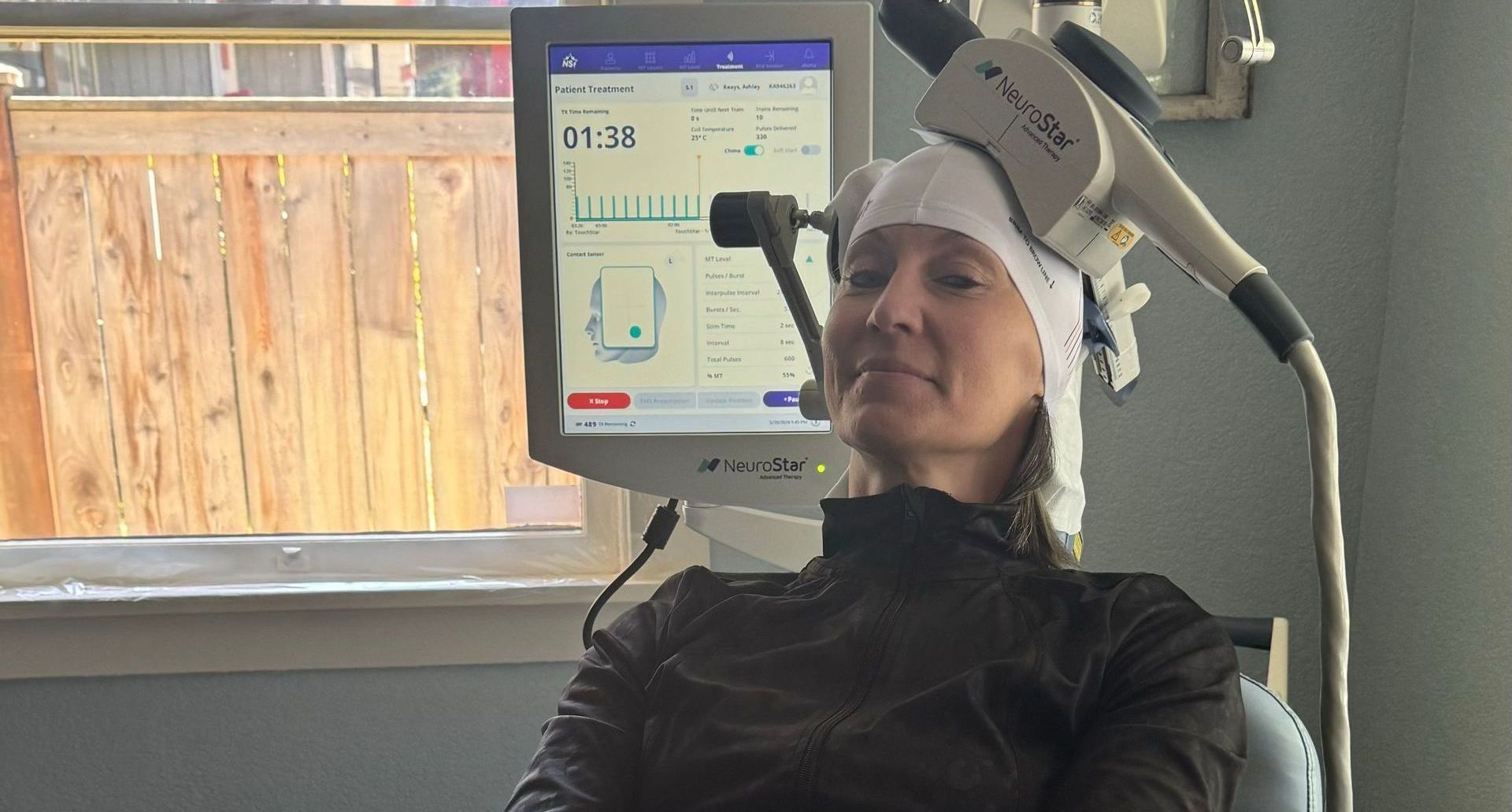
Transcranial Magnetic Stimulation (TMS) is a non-drug, clinic-based treatment that targets brain circuits involved in mood. Even though TMS is not a medication, your current prescriptions matter - for safety, for treatment planning, and sometimes for how well TMS works. At Creative Wellness, our medication management approach is collaborative and MD-led: we partner with your prescribing psychiatrist, primary care provider, and family to make sure TMS is safe, well-coordinated, and focused on the best possible outcome.
What clinicians watch for
1. Medications that may increase seizure risk
Some drugs can lower the brain’s seizure threshold. When we screen patients for TMS,
we pay special attention to medications known to increase seizure risk so we can manage that risk appropriately. Examples clinicians commonly review include:
- Bupropion (Wellbutrin) is associated with increased seizure risk at higher doses or in certain patients.
- Certain tricyclic antidepressants (TCAs) are used at high doses.
- Some antipsychotics (dose-dependent effects noted with a few agents).
- Stimulant medications (used for ADHD) in some clinical contexts.
Important: This list is illustrative, not exhaustive. We review every medication and medical history personally during the MD evaluation. If any medication raises concern, your psychiatrist and our MD will discuss options - sometimes no change is needed; other times a temporary adjustment or additional monitoring is recommended.
2. Medications that may affect TMS response
Some classes - particularly benzodiazepines - can alter cortical excitability and may, in some patients, blunt the measurable response to stimulation. This doesn’t mean benzodiazepines are always stopped; rather, your care team weighs the benefits
(e.g., anxiety control, sleep) against theoretical effects on responsiveness and plans individualized management.
3. Interactions with other advanced therapies
If a patient is considering or receiving
Spravato® (esketamine), ketamine, or other procedural treatments, close coordination is required, as these therapies have distinct safety and scheduling requirements. Creative Wellness coordinates timing and monitoring across treatment types to maximize safety and benefit.
Our medication-management workflow - step by step
1. Pre-visit medication review & records collection
When you contact Creative Wellness we ask for a current medication list (names, doses, start dates) and contact info for the prescribing clinician. Our intake team collects prior psychiatric evaluations and therapy notes when relevant. Having full records speeds approvals and creates a clear clinical picture.
2. MD-led evaluation & motor-threshold mapping
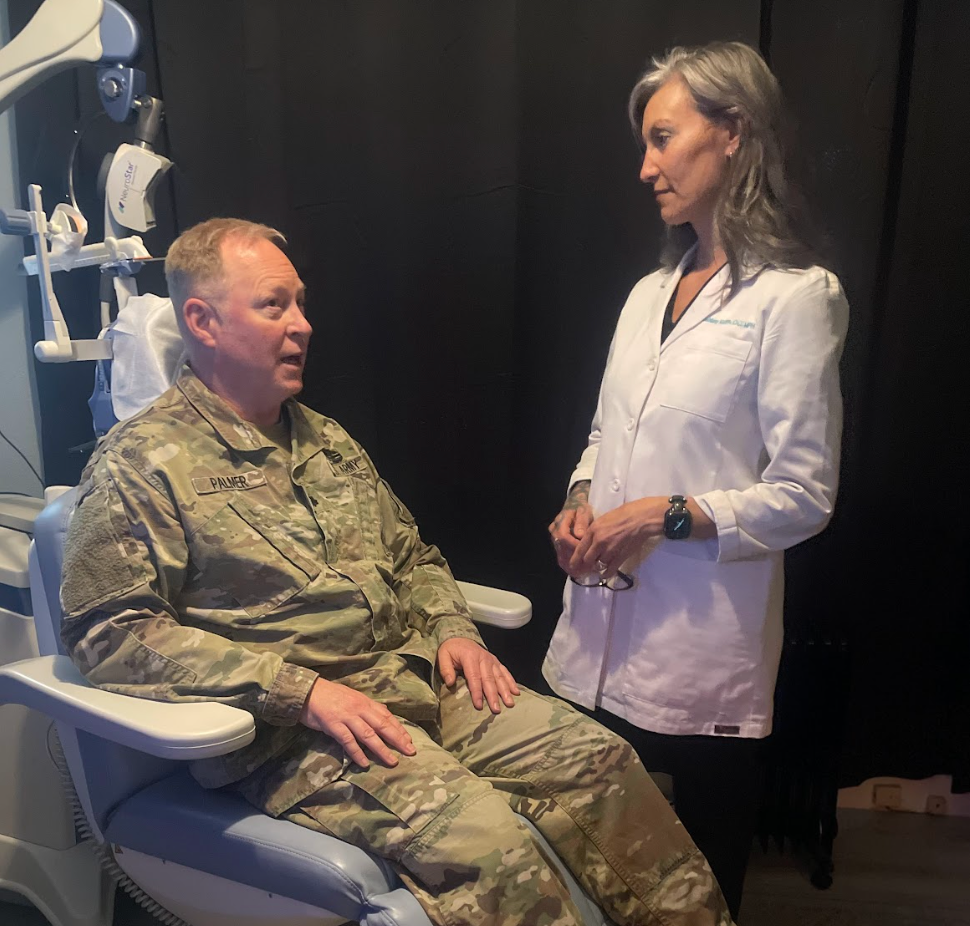
An MD performs the initial evaluation, documents the diagnosis, screens for safety concerns, and performs motor-threshold mapping. This MD documentation is the clinical foundation for any prior authorization and for medication decisions during the TMS course.
3. Joint planning with the prescribing psychiatrist
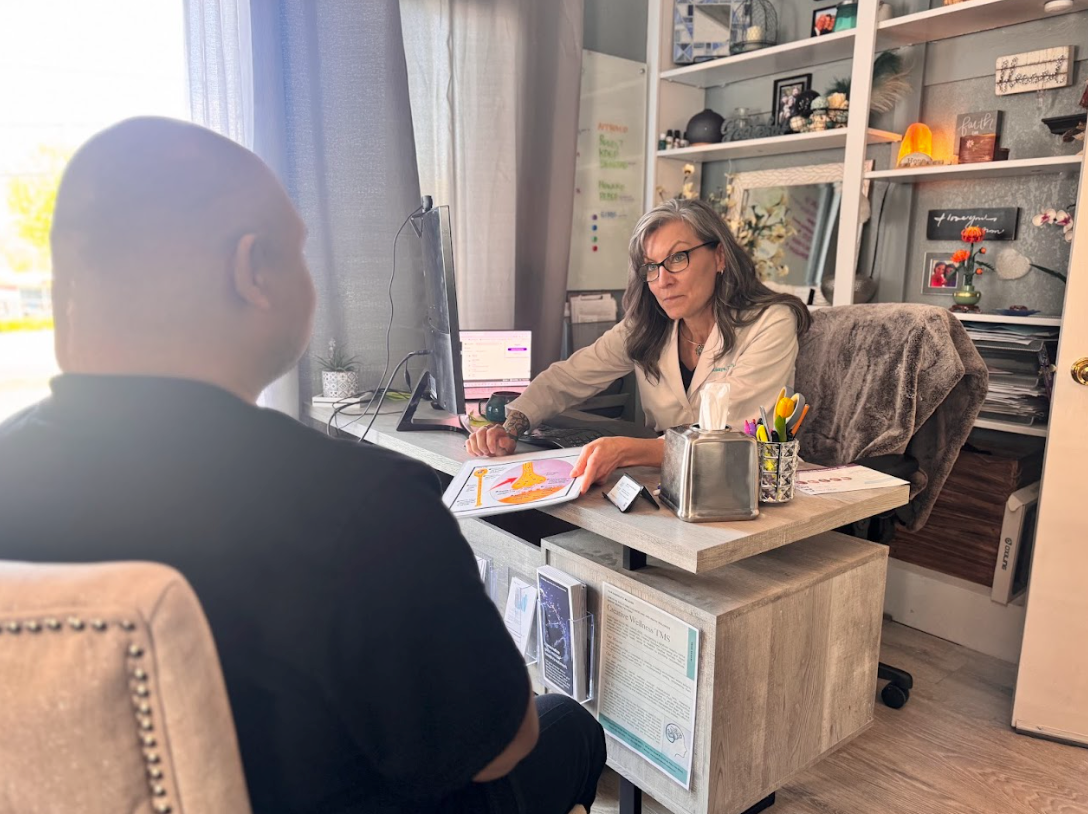
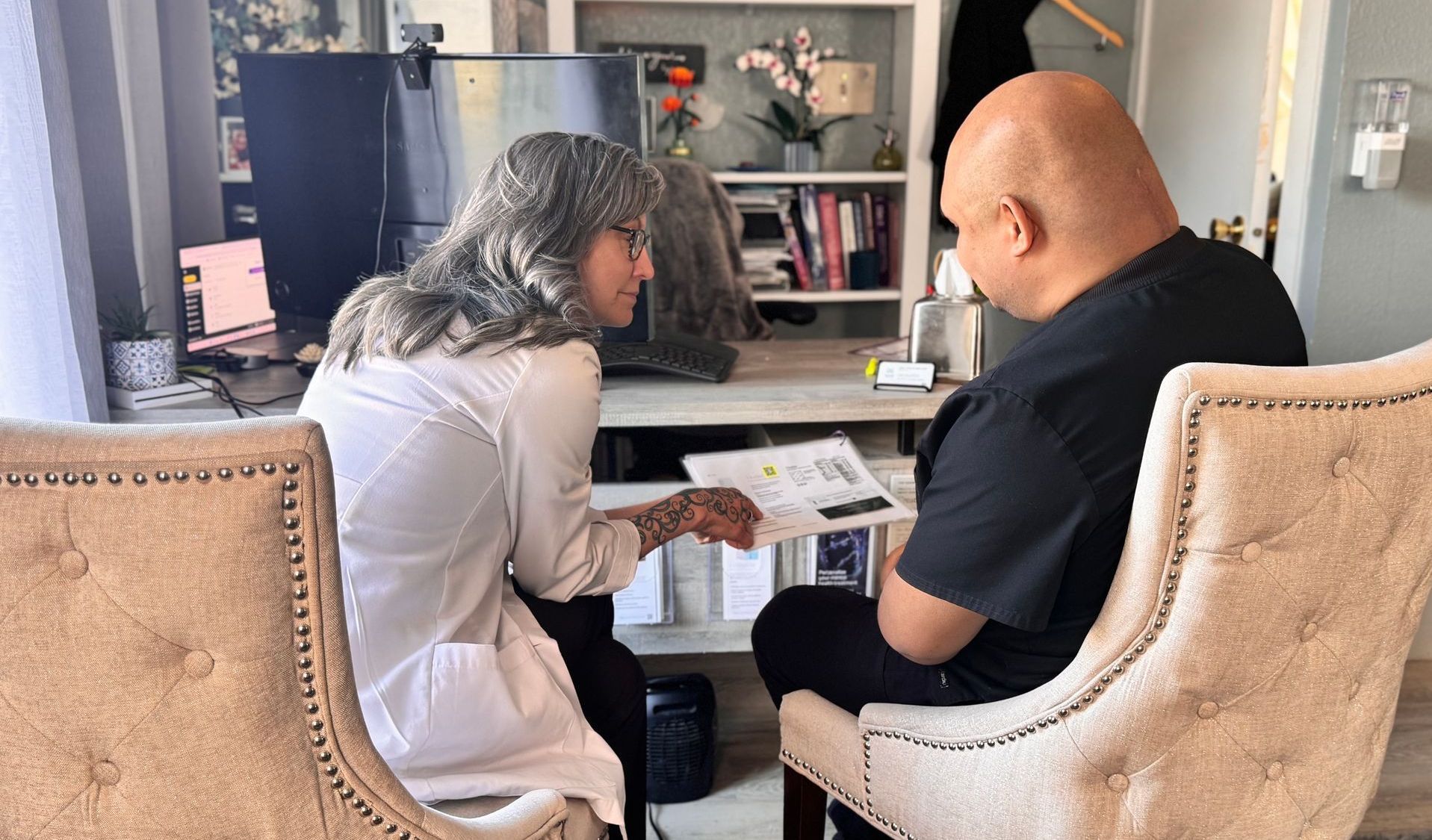
If changes to medications are advisable (for safety or to optimize response), our MD will contact your prescribing psychiatrist or primary care clinician to discuss options. Collaborative decisions may include: dose adjustment, temporary holding of a medication, or additional monitoring. We always prioritize continuity of care and shared decision-making.
4. Documentation for payers
If an insurer needs justification (for example, documenting medical necessity), we include a clear medication history, rationale for any proposed changes, and the MD’s plan in the prior-authorization packet. Managing this paperwork is part of the service Creative Wellness provides.
5. Ongoing monitoring & communication
During your TMS course, we monitor side effects and treatment tolerability at each visit. Any medication concerns that emerge are routed back to the MD and, if needed, to your psychiatrist for timely changes.
Practical examples: what coordination looks like
- Patient on bupropion: The MD reviews dose and seizure history, consults with the prescriber, and either proceeds with standard monitoring, adjusts the dose, or documents the rationale to the insurance company.
- Patient taking benzodiazepines nightly for anxiety: The team discusses whether a slow taper is clinically appropriate or whether continuing at a stable dose with careful monitoring is preferable.
- Patient starting Spravato: We coordinate scheduling and medical oversight so that Spravato sessions and TMS sessions don’t conflict and that safety monitoring is in place.
We Accept Insurance
Take a quick 1-minute quiz to check if you meet typical insurance criteria for TMS. It’s an easy way to see if you may qualify - no pressure, no commitment. If you're exploring other treatments or just want to talk it through, Get in touch. We're here to help you understand your benefits and next steps.





Safety & monitoring during TMS
Seizure risk - very rare, but we don’t take it lightly.
- Before starting TMS, we screen for seizure history, medical factors, and medications that may lower seizure threshold.
- Motor-threshold mapping personalizes stimulation and helps minimize risk.
- If a patient is on a medication of concern, we discuss mitigation (e.g., dose review, increased observation). Creative Wellness maintains emergency protocols, and the team is trained to manage rare acute events.
Side-effect tracking
- Each session includes a brief check-in for headaches, scalp discomfort, sleep changes, or mood shifts.
- Our nursing and clinical staff document effects and escalate to the MD when needed.
What patients should bring/prepare
- Complete medication list: name, dose, start date, prescriber name & contact. Include over-the-counter meds, supplements, and herbal products.
- A list of prior antidepressant trials (dates, doses, reasons for stopping) helps the MD and insurer understand prior response.
- Contact info for your psychiatrist or prescriber so we can coordinate care quickly.
Do I have to stop my antidepressants during TMS?
Not usually. Most antidepressants are continued during TMS. The care team reviews each medication for safety and potential interactions; only in specific situations (rare) will a change be advised.
Will my psychiatrist be involved?
Yes. Creative Wellness coordinates directly with your psychiatrist or prescriber for medication changes, documentation, and ongoing care — the goal is safe, team-based management.
Are benzodiazepines a problem?
Benzodiazepines don’t make TMS unsafe, but they can affect cortical excitability and may reduce measurable response in some patients. We consider risks and benefits on a case-by-case basis and talk with the prescriber if adjustment is useful.
What if I’m on Spravato or planning to start it?
That’s a common scenario. Spravato has its own REMS-related monitoring and observation requirements; we coordinate timing and monitoring so both treatments (if clinically appropriate) are delivered safely.