TriWest Expands Coverage For Teen TMS

Quick overview
On October 21, 2025, TriWest updated its policy to expand insurance coverage for Transcranial Magnetic Stimulation (TMS) to adolescents ages 15 and older. This opens an important pathway for military families and TriWest beneficiaries to access NeuroStar® Advanced Therapy for Major Depressive Disorder (MDD) - provided clinical and insurer eligibility rules are met. Below is what the policy change actually says, who’s likely to qualify, what paperwork families should collect, and how Creative Wellness supports you through the process.
TriWest Policy Update - Key Points
- Effective date: October 21, 2025.
- Age: TriWest expanded coverage to adolescents ages 15+.
- Clinical context: NeuroStar Advanced Therapy is indicated as an adjunct for Major Depressive Disorder (MDD) in adolescents 15–21.
- Insurance eligibility (summary): Coverage is tied to medical necessity - typically a documented diagnosis of MDD plus evidence that standard care (antidepressant medications and psychotherapy) was unsuccessful. See the next section for the common insurer criteria.
Who is likely eligible (insurer & clinical checklist)
Most payer policies - TriWest included - evaluate the same core items when approving adolescent TMS:
Core insurer/clinical eligibility elements
- Age ≥ 15 years. (TriWest/NeuroStar adolescent indication 15–21.)
- Diagnosis: Documented Major Depressive Disorder (MDD) by a psychiatrist or qualified clinician.
- Medication history: Failure of at least two adequate antidepressant trials from different pharmacologic classes (for example, an SSRI and an SNRI). Insurers require dates, doses, and the reason for stopping (inefficacy or intolerable side effects).
- Therapy: Documentation showing the teen has not responded adequately to psychotherapy (e.g., CBT). Written therapist notes or a clinician summary, usually suffice.
- Safety screening: No contraindications (e.g., certain implants); seizure risk and other medical issues are evaluated during the MD screen and motor-threshold mapping.
Clinical note:
NeuroStar reports favorable adolescent outcomes in real-world datasets (e.g., improvement and remission rates cited by NeuroStar). These data support adolescent indications, but insurers still require specific documentation that the medical necessity criteria are met.
What documents & information to have ready (family checklist)
To speed authorization and avoid delays, gather these items before you contact a clinic or submit a referral:
- Insurance & ID: front/back of the insurance card; TriWest identification/subscriber info.
- Recent psychiatric evaluation or medical summary stating diagnosis of MDD.
- Medication log: names, doses, start/stop dates for antidepressants - document at least two trials from different classes and reasons for discontinuation.
- Therapist notes or summary showing psychotherapy trials (dates, frequency, response).
- School/functional impact letter (optional but helpful): summary of how symptoms affect school/activities.
- Contact info for prior providers (prescriber and therapist) so the clinic can obtain records.
- Parental/guardian consent - clinics will walk you through consent requirements for adolescents.
We Accept Insurance
Take a quick 1-minute quiz to check if you meet typical insurance criteria for TMS. It’s an easy way to see if you may qualify - no pressure, no commitment. If you're exploring other treatments or just want to talk it through, Get in touch. We're here to help you understand your benefits and next steps.





Typical prior-authorization timeline & what to expect
- Benefits check & intake: Clinic verifies whether TriWest covers adolescent TMS and checks member-specific rules.
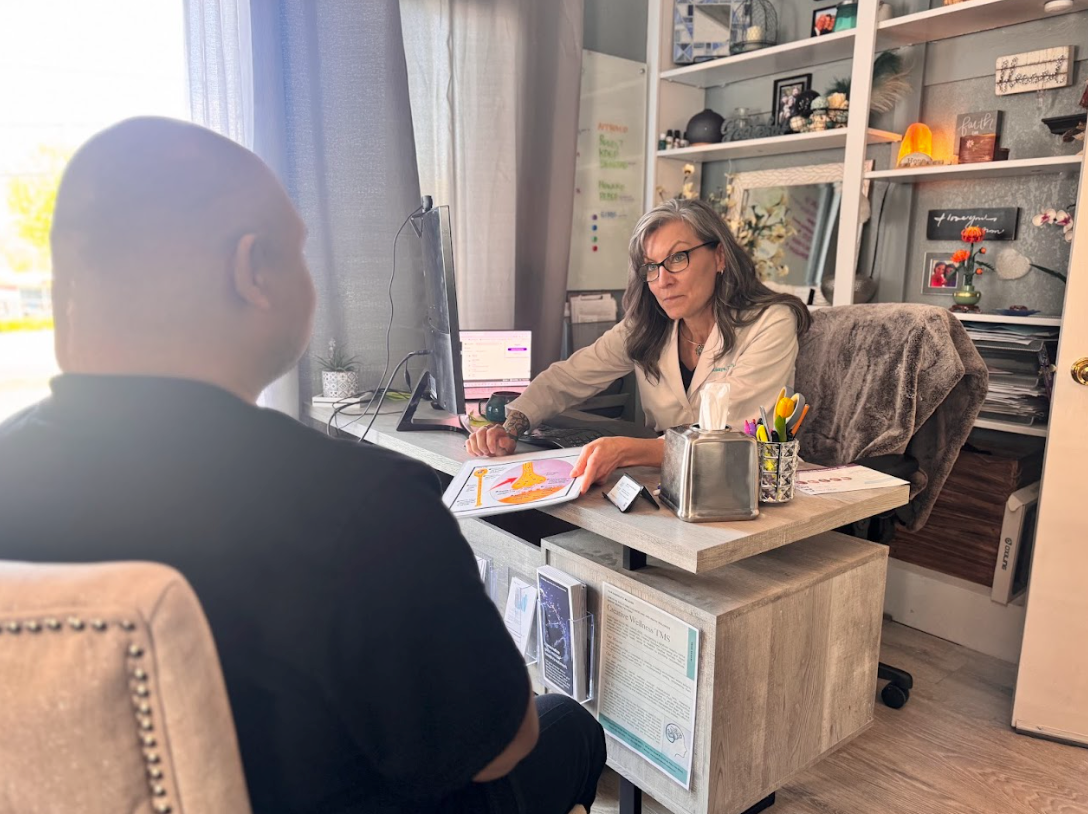
- MD evaluation & mapping: An MD documents the diagnosis, prior medication/therapy history, and performs motor-threshold mapping. This MD report is central to the prior authorization.
- Records submission: Clinic assembles med history, therapy notes, and the MD plan and files a prior authorization.
- Insurer review: TriWest reviews docs. They may request more information or a peer-to-peer discussion with the clinic psychiatrist. This step can take a few days to several weeks.
- Approval & scheduling: If approved, the clinic schedules mapping and treatment; if denied, clinics typically help families pursue an appeal or outline self-pay options.
Safety & clinical context for parents
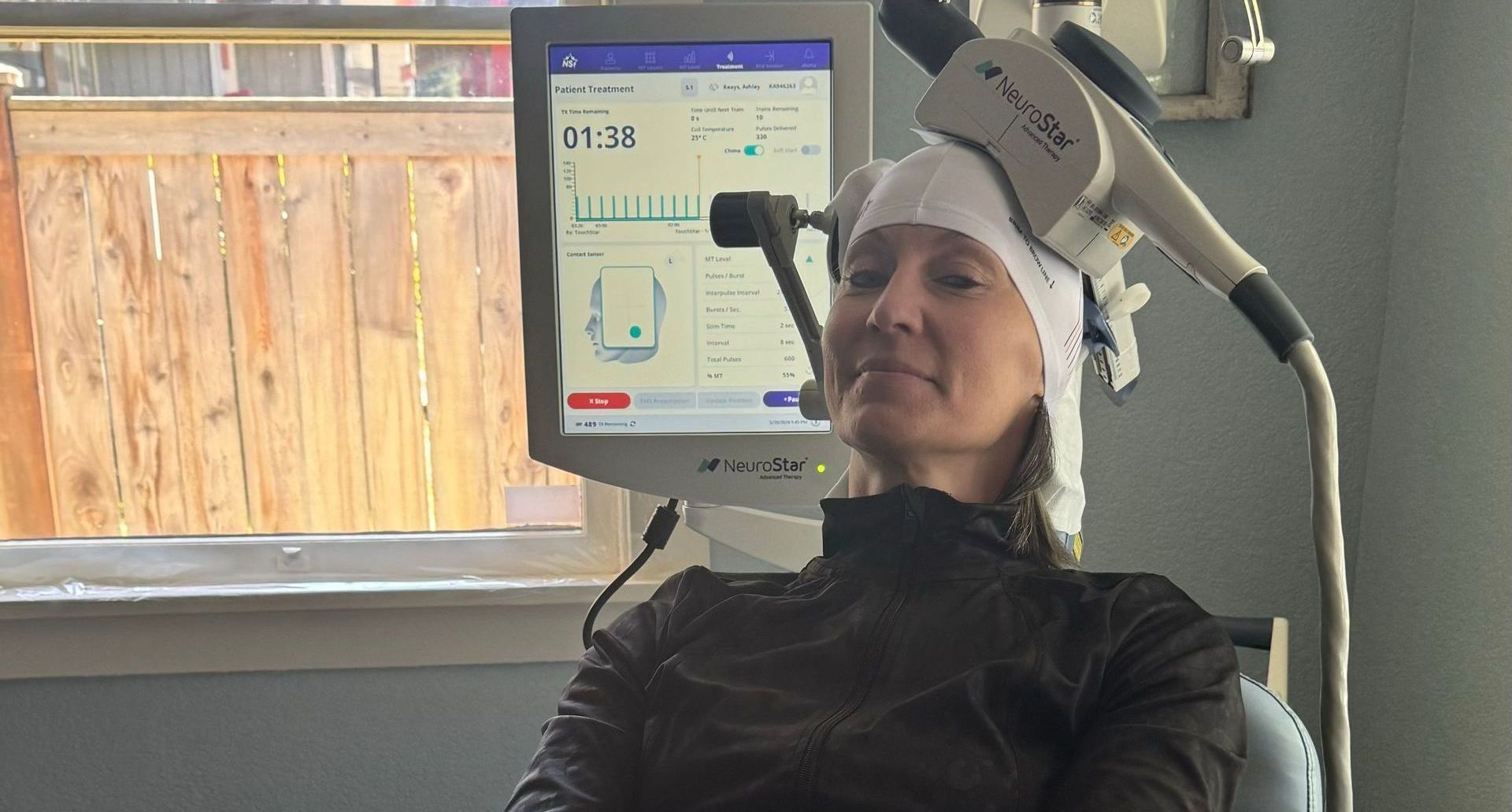
- NeuroStar adolescent indication: NeuroStar Advanced Therapy is indicated as an adjunct for MDD in adolescents 15–21; clinics still follow careful screening to minimize rare risks (e.g., seizure).
- Side effects & monitoring: Most common side effects are temporary scalp discomfort and mild headaches; serious events are rare. MD screening and mapping are standard to maximize safety.
Why this matters to local families
- Coverage reduces out-of-pocket costs and increases access to an evidence-based option for teens with treatment-resistant depression.
- Better coordination: When clinics like Creative Wellness handle benefit checks and prior authorizations, families avoid administrative confusion and get a clearer timeline for treatment.
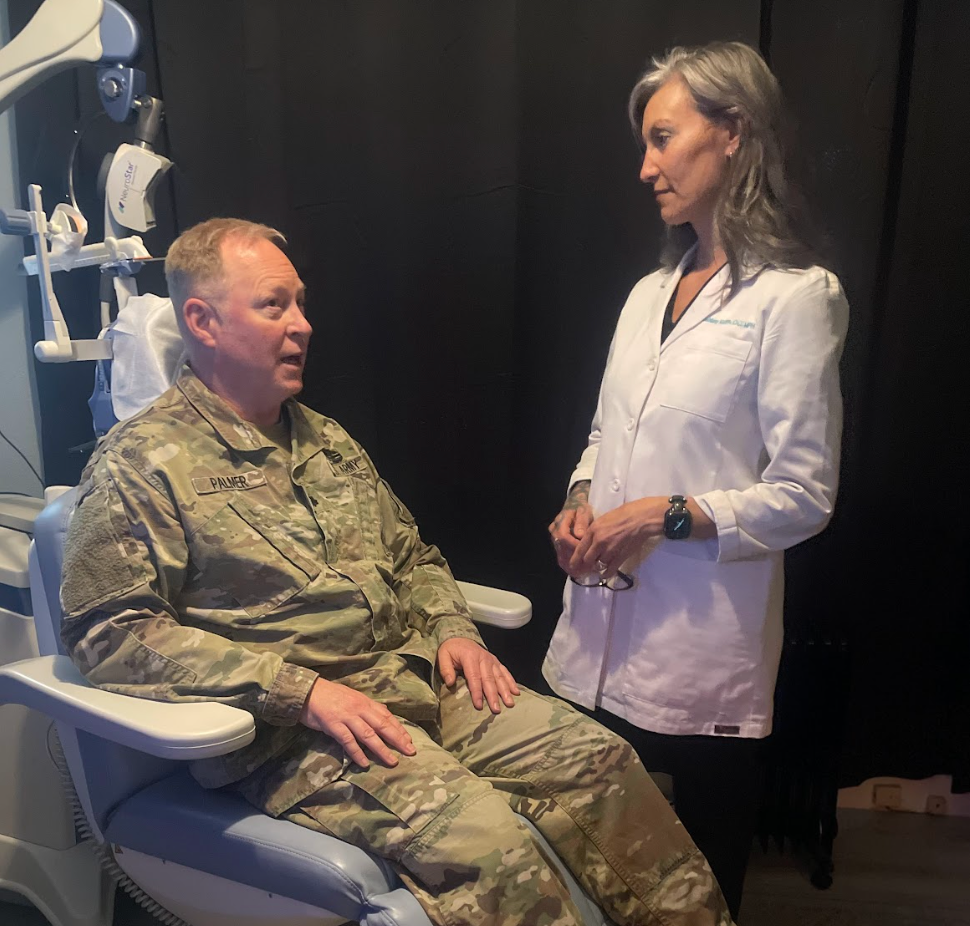
- Timely care for military families: TriWest serves military communities - this policy expansion directly helps eligible dependents and families in the Tacoma/Olympia/University Place/Yelm area.
How Creative Wellness helps families with TriWest (+ other insurers)
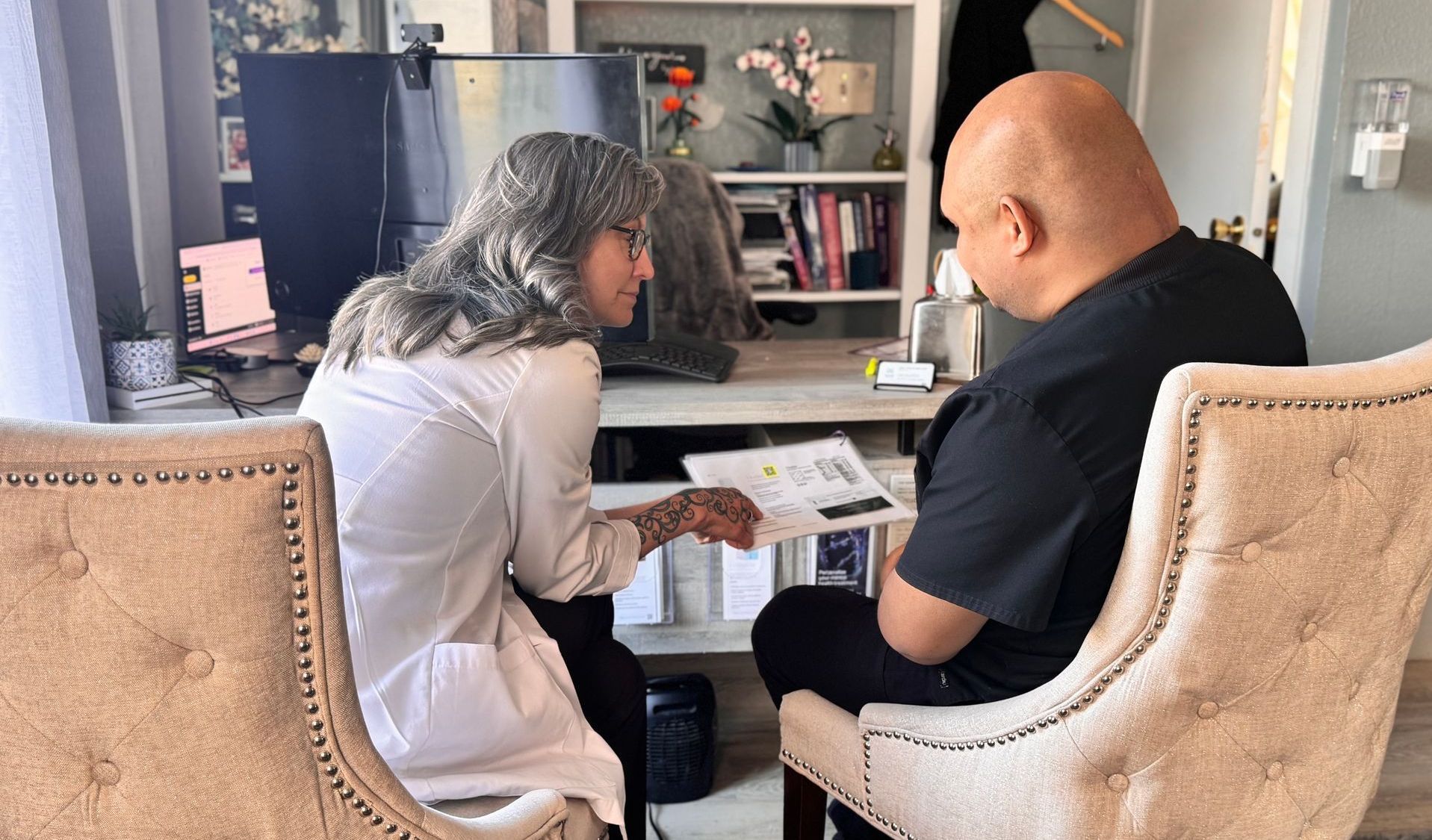
At Creative Wellness, we walk families through the entire process:
- Free benefits check - we confirm TriWest eligibility and explain steps.
- MD-led evaluation & motor-threshold mapping - our MD documents the clinical rationale insurers require.
- We collect & submit records (medication history, therapy notes) and manage prior-auth follow-up.
- We support appeals & peer-to-peer review if TriWest requests clarifications.
- Family communication: we explain timing, likely out-of-pocket costs if applicable, and alternatives (including self-pay). For TriWest patients, we additionally verify adolescent coverage specifics and eligibility.
Does this mean every teen 15+ automatically gets TMS?
No. Coverage depends on meeting clinical requirements (MDD diagnosis, medication & psychotherapy history) and insurer criteria. Clinic documentation and insurer review are still necessary.
How many medication trials are required?
TriWest’s guidance and common insurer policy require failure of at least two antidepressants from different pharmacologic classes, given at adequate dose/duration. Documentation must show dates, doses a,nd reasons for stopping.
How long does approval take?
It varies. With complete records, prior-auths can be resolved in days to a few weeks. If the insurer requests additional information or peer review, it may take longer. Creative Wellness manages follow-up to minimize delays.
Who can I call for details about the policy?
The NeuroStar / TriWest announcement lists Spencer Pohle as a NeuroStar contact; TriWest/customer support contacts are provided in the policy announcement. Creative Wellness can also verify specifics for your member plan and handle the benefit check.