What Happens After TMS? Understanding Maintenance & Long-Term Results

Quick Overiew
Finishing a course of Transcranial Magnetic Stimulation (TMS) can bring real relief - but patients commonly ask: how long do the benefits last, what happens next, and what options exist if symptoms return? This guide explains typical follow-up care, maintenance, and booster options, evidence about long-term durability, and practical next steps Creative Wellness TMS offers to help patients preserve and extend treatment gains.
Quick facts: the typical TMS course & follow-up
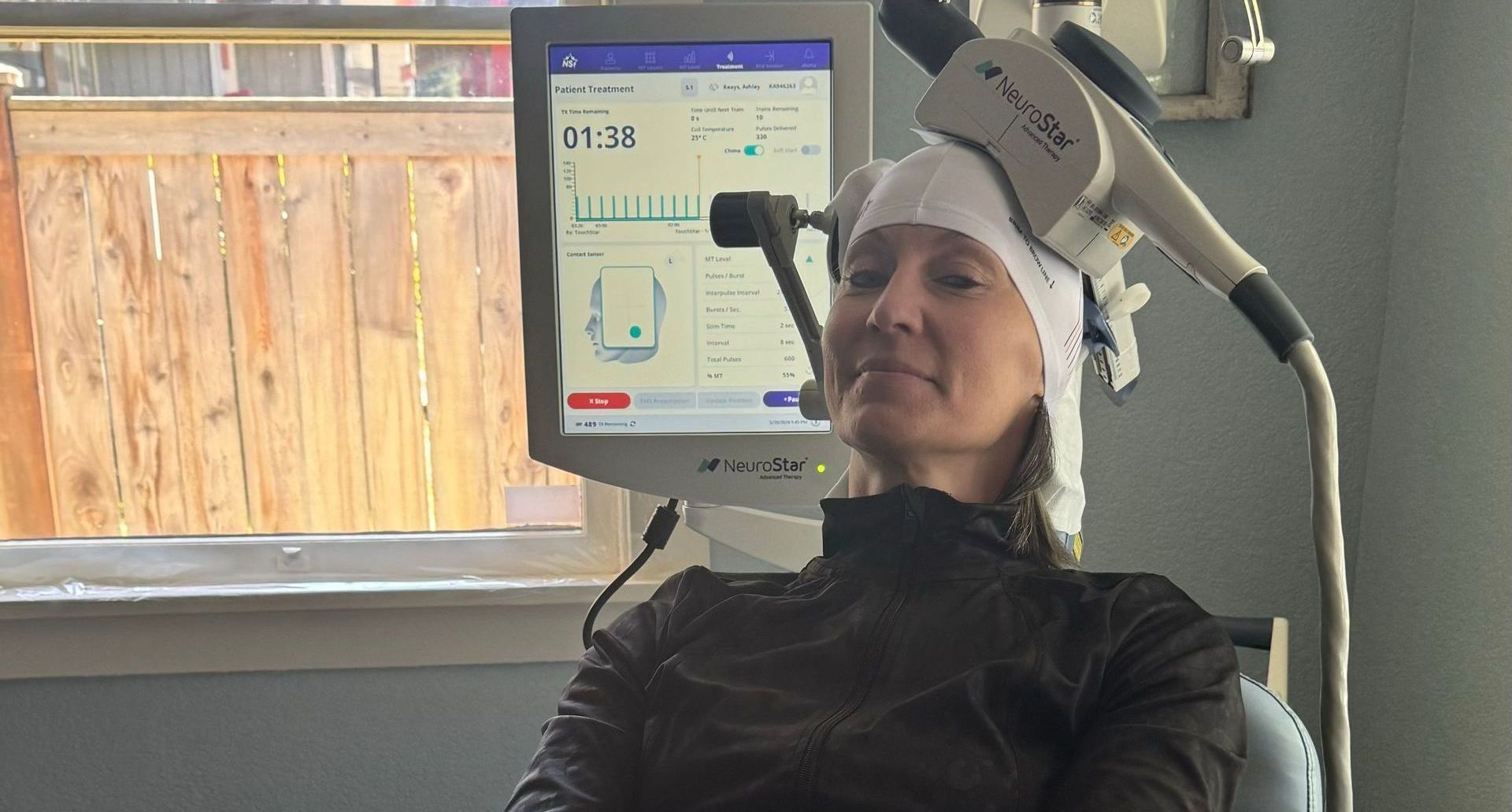
Typical course: Most TMS courses are delivered 5 days/week for 4–6 weeks; sessions are ~20–40 minutes. Clinics typically perform a mapping session and record the motor threshold to deliver the correct dose and reproducible coil placement.
When people usually improve: Many responders show clinical improvement between sessions 20–30; some patients have delayed benefit toward the end of week 6.
Immediately after your course: the clinical review
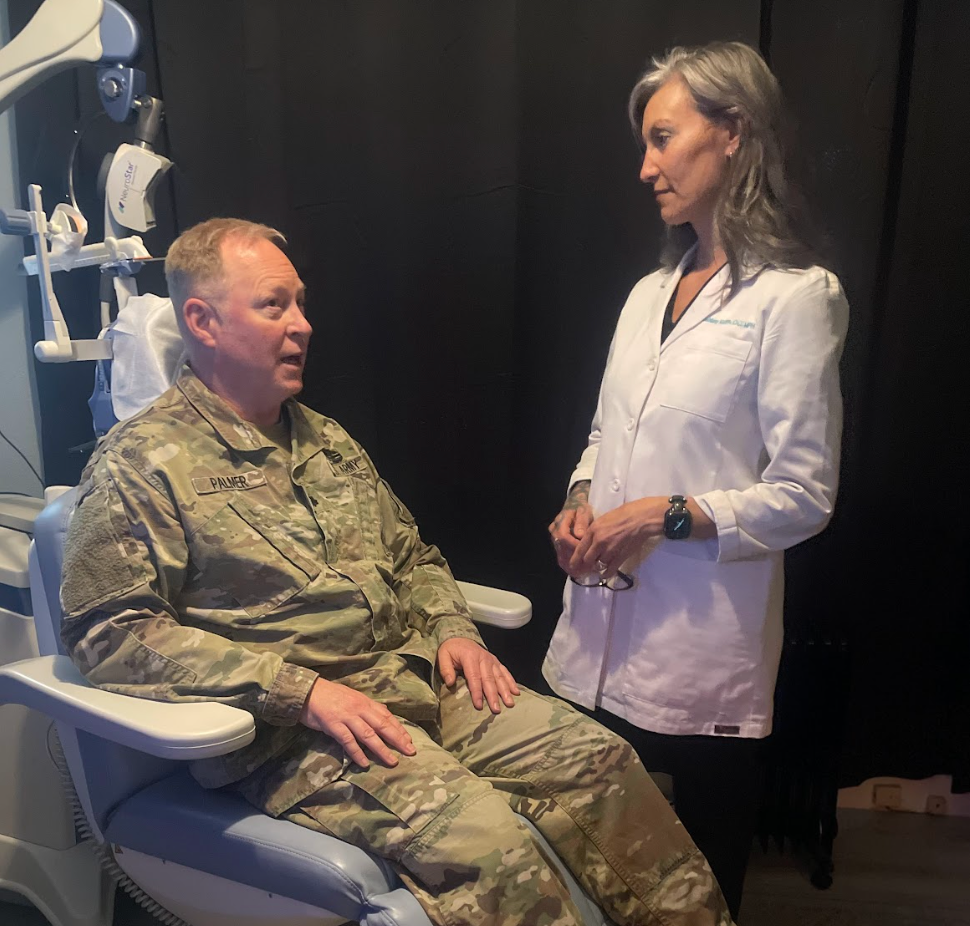
At the end of a TMS course, your care team typically performs a final clinical review to:
- Measure symptom change using standard scales,
- Ask about functioning (sleep, work, mood),
- Discuss whether goals were met and next steps.
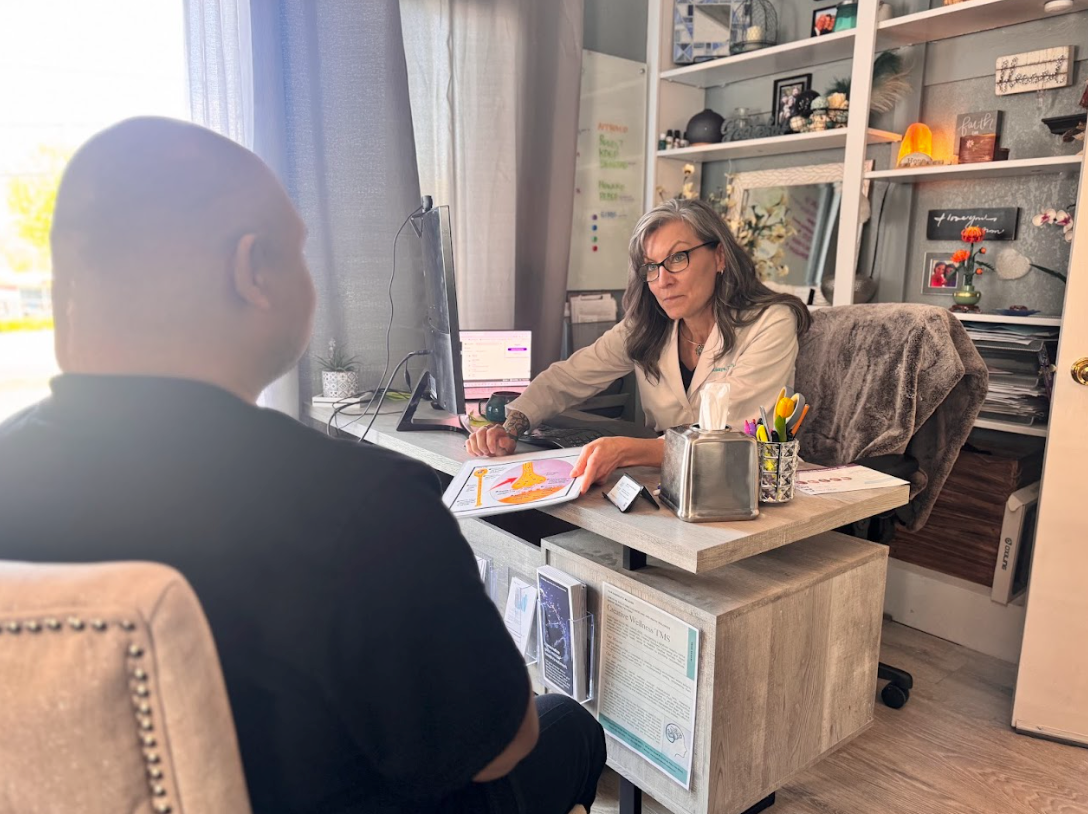
Clinics often schedule a wrap-up visit specifically to review outcomes and plan follow-up
Maintenance, boosters, and retreatment - what’s the difference?
Maintenance TMS:
Planned, periodic sessions intended to maintain gains for patients who responded. Some clinics offer a maintenance schedule (for example, tapering frequency) when clinically indicated. Maintenance may be discussed as an option after successful treatment.
Booster sessions:
Short courses or single sessions are used when a patient notices symptom worsening after an initial positive response.
Retreatment / repeated course:
For those who didn’t achieve full response, extending or repeating the full course is sometimes helpful - clinicians will reassess mapping and parameters first.
Important note:
Maintenance sessions and certain retreatment approaches may not be covered by insurance, so clinicians review options and costs with each patient.
What the evidence says about long-term results
Studies and clinic reports suggest durable benefit for many patients:
- Clinic-level and trial data show that a meaningful portion of patients have sustained improvement at 12 months - some reports note ~68% sustained improvement and ~45% complete remission at one year in certain cohorts.
- However, response varies by individual and by the exact protocol, device, and patient selection; ongoing monitoring and coordinated care matter for long-term success.
When a patient’s symptoms return: practical next steps
If symptoms return or the initial response is incomplete, clinicians typically follow a stepwise approach:
- Clinical reassessment - review medical history, medications, sleep, substance use, and life stressors to identify reversible contributors.
- Confirm technical accuracy - check recorded mapping, motor threshold, and coil placement; remapping or parameter adjustment can improve outcomes.
- Consider boosters or repeat course - for responders who relapse, boosters or a repeat/extended course may restore benefit. For non-responders, clinicians may consider a different protocol or device.
- Combine treatments when appropriate - adding or optimizing psychiatric medication, psychotherapy, or considering other advanced options
(Spravato/esketamine, ketamine, or ECT in selected cases) is a standard part of evidence-based care. Your psychiatrist and TMS team collaborate on these decisions.

Interested in learning more?
Schedule a consultation to see if TMS could be right for you.
Visit our contact page or call 253-900-1605 to speak with our team.
Combining TMS with other therapies
TMS often works best as part of a coordinated plan:
- Medication optimization and psychiatry involvement help when biological complexity or medication interactions might blunt the response. Creative Wellness emphasizes combined care with psychiatry when indicated.
- Rapid-acting options (Spravato/ketamine) are sometimes used when quick symptom relief is needed or as complementary strategies; these treatments are clinic-supervised and have specific monitoring requirements.
What patients can do to preserve gains ?
- Keep follow-ups: attend scheduled outcome visits so the team can intervene early if symptoms shift.
- Monitor sleep, substances, and meds: sleep health, alcohol or substance use, and medication adherence can affect long-term benefit.
- Engage in therapy & lifestyle care: psychotherapy, exercise, and routine supports can strengthen and prolong gains.
- Ask about maintenance or booster plans if you’re concerned about relapse or gradual symptom return.
Cost & insurance
Costs and coverage vary. Clinics will review coverage expectations and any out-of-pocket costs for maintenance or repeat treatments. Some maintenance or booster sessions may not be covered and are discussed on a case-by-case basis.
Will I need TMS again later?
Some patients need maintenance sessions, boosters, or a repeat course. Many maintain gains for months or years, but if symptoms return your care team will recommend the best, evidence-based next step.
Are maintenance sessions effective?
Maintenance is an accepted approach for sustaining gains in some patients, and decisions are individualized based on response history and risk of relapse.
What about Spravato or ketamine after TMS?
These are clinic-administered options that may be recommended when TMS alone is insufficient or when rapid relief is needed; they require supervised sessions and specific monitoring.
How does the clinic decide on boosters vs a repeat course?
The team reviews your symptom trajectory, measurement scores, and prior treatment mapping. Boosters are typically for relapse after a prior response; repeat courses or protocol changes are considered for incomplete response.