How TMS Helps Veterans and Military Families

Ashley Keays • November 12, 2025

Restoring Hope for Those Who’ve Served

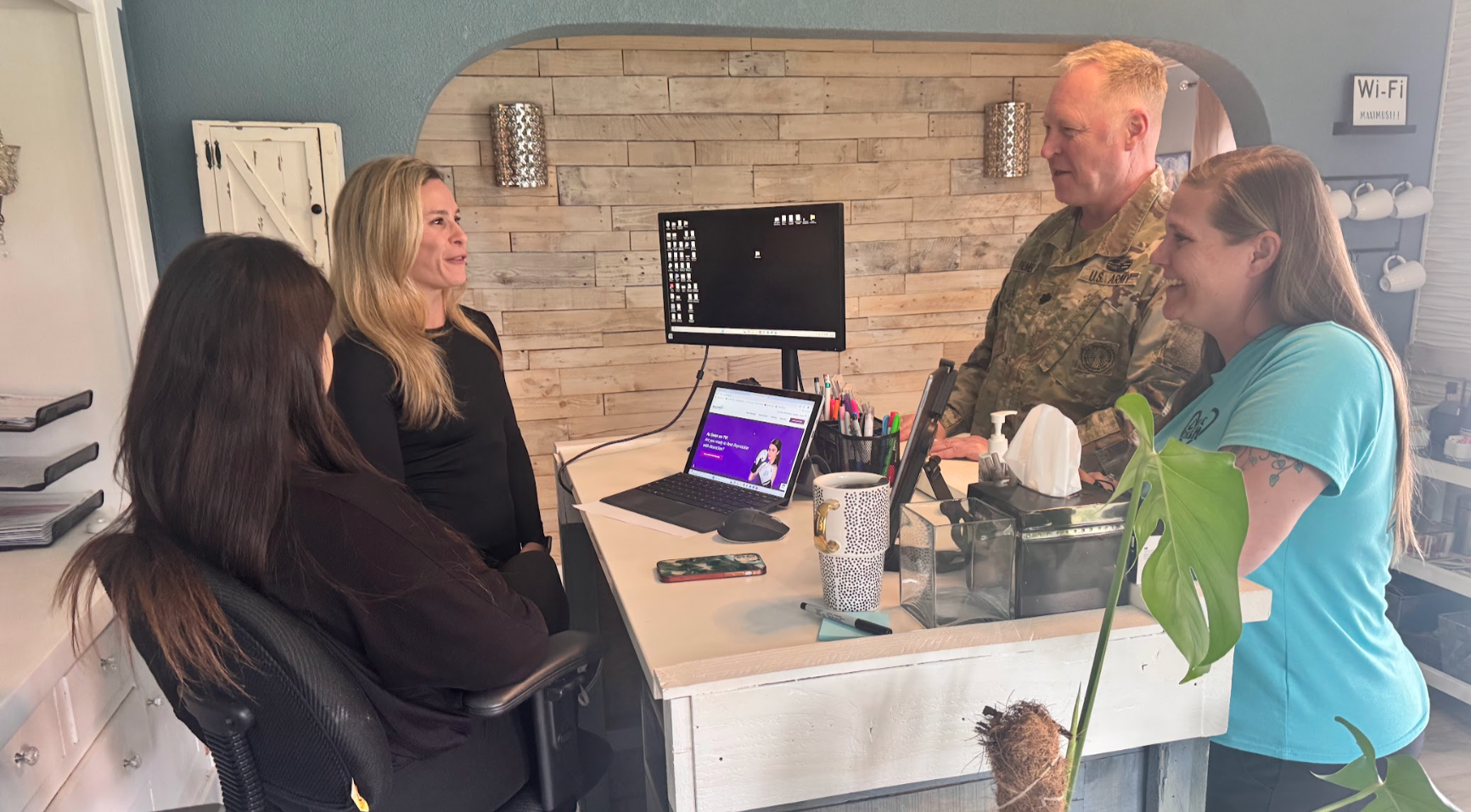
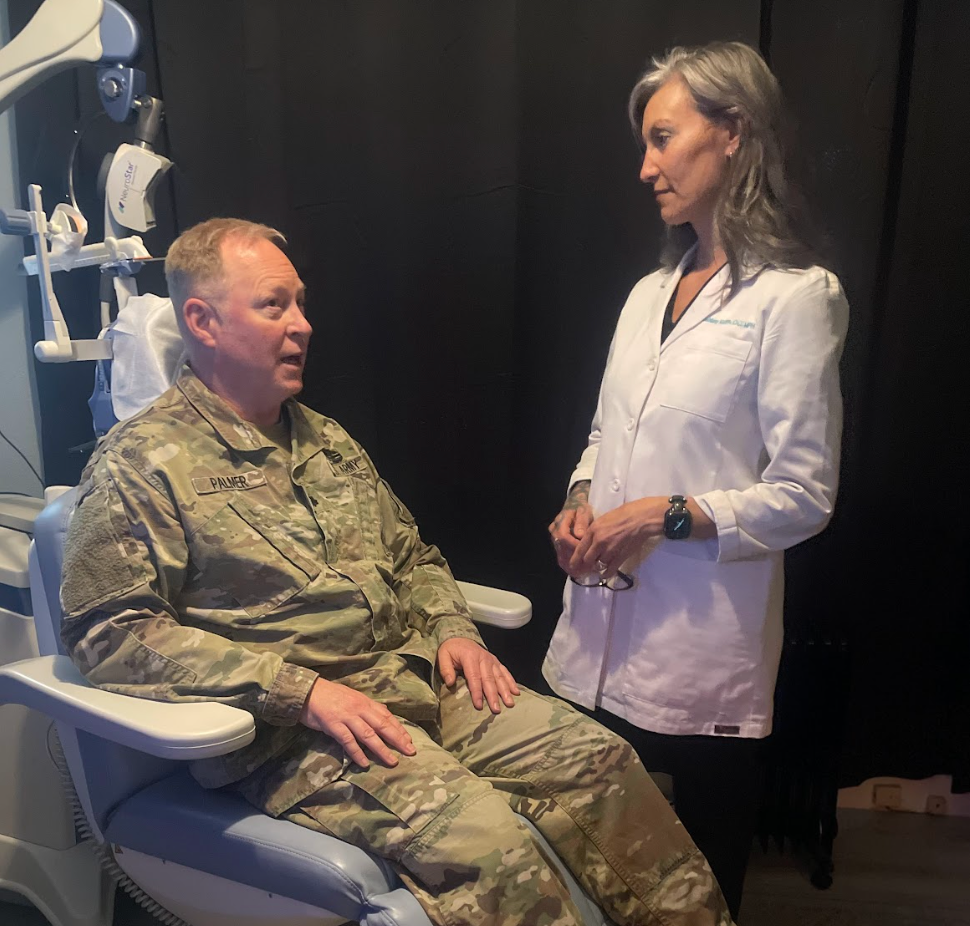
At Creative Wellness TMS, we’re proud to serve those who serve our country. Many of our patients come from the Joint Base Lewis–McChord (JBLM) community, including active-duty service members, veterans, and their families who are coping with the lasting effects of trauma, stress, and depression.


Life after military service can bring invisible wounds. For many, traditional treatments such as medication or talk therapy alone haven’t provided enough relief. That’s where Transcranial Magnetic Stimulation (TMS) offers a new path forward - a non-invasive, evidence-based treatment designed to restore balance and function to the brain.

Understanding the Challenge

Post-traumatic stress, depression, and anxiety are common among military personnel and veterans. These conditions can disrupt relationships, sleep, focus, and overall quality of life.


While medications can help, they often come with side effects that interfere with daily functioning - something that can be especially difficult for those balancing service, family, and work responsibilities.


TMS therapy gives veterans and their loved ones an alternative: one that targets the root of the problem in the brain without medication or invasive procedures.

How TMS Helps Veterans

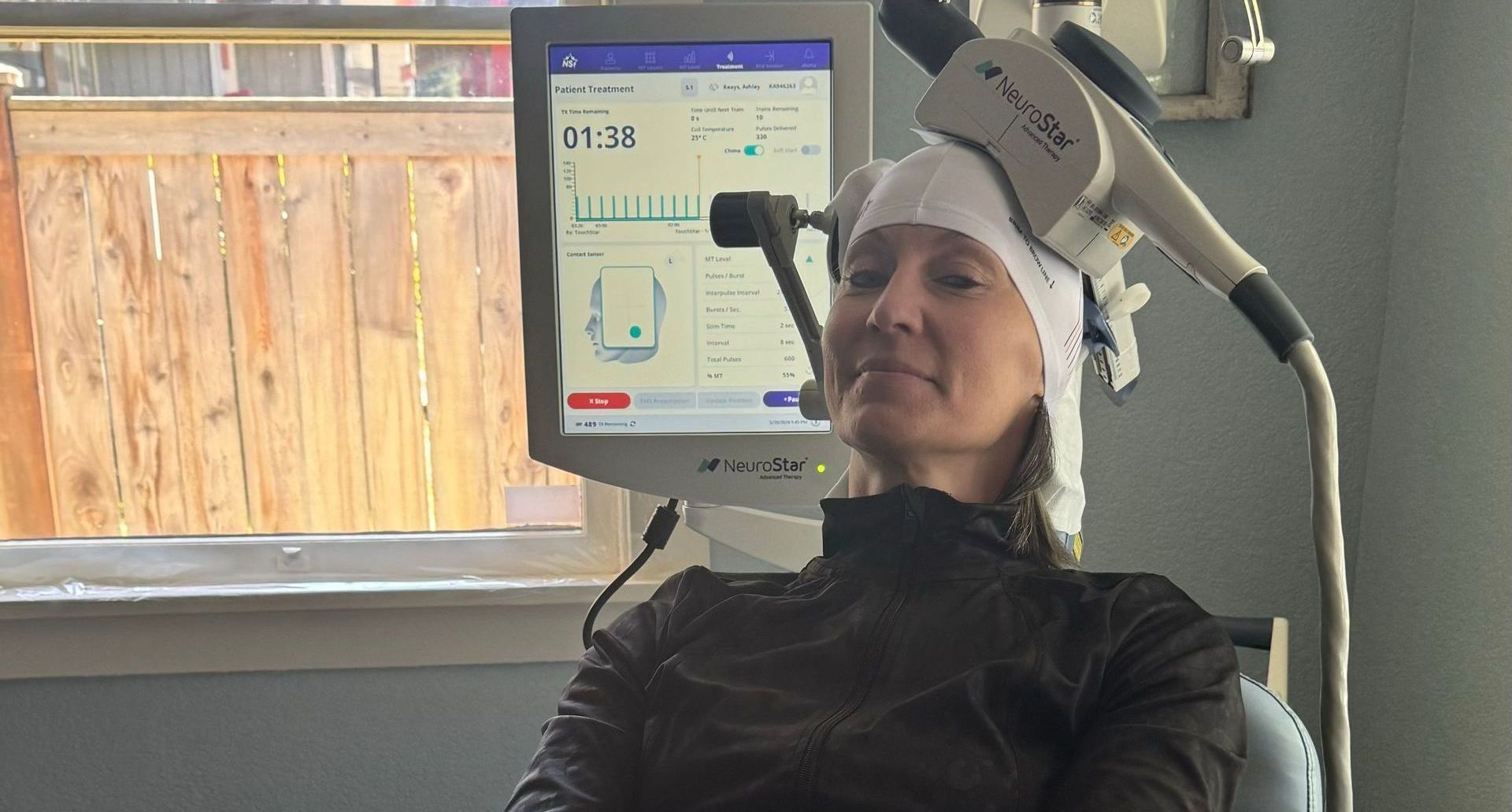
TMS works by using magnetic pulses to stimulate underactive areas of the brain involved in mood regulation and emotional control. For veterans struggling with depression or PTSD, this stimulation helps restore healthy brain activity and reduce symptoms such as:


  • Persistent sadness or hopelessness
  • Loss of interest or motivation
  • Intrusive thoughts or flashbacks
  • Sleep difficulties
  • Emotional numbness or irritability


Over time, patients often notice improved mood, better focus, and a renewed sense of connection with themselves and others.

Supporting Military Families Too

The impact of service extends beyond the individual - it affects spouses, partners, and children too. Military families face unique stressors such as deployments, relocations, and reintegration challenges.


At Creative Wellness TMS, we recognize that mental health support should include the entire family unit. TMS therapy not only helps veterans recover but can also strengthen relationships and bring peace back into the home.


We frequently work with families connected to JBLM, offering flexible scheduling and a compassionate, judgment-free environment that understands the military lifestyle.

Interested in learning more?


Schedule a consultation to see if TMS could be right for you.

Visit our contact page or call 253-900-1605 to speak with our team.

Request Appointment

What to Expect from Treatment

TMS treatments are comfortable, non-invasive, and require no anesthesia or downtime. Each session lasts about 20 minutes, five days a week for several weeks. You can drive yourself home or back to base immediately afterward.


Most patients start to notice improvements in mood and energy levels after just a few weeks - and long-term relief often continues to build even after the treatment course ends.

Our Commitment to Veterans

Our team is honored to help military members and veterans find relief from depression, anxiety, and PTSD. We are continually expanding our partnerships within the JBLM area and beyond to ensure more access to effective mental-health care.


We also assist with insurance verification and financing options to help make treatment accessible to those who need it most.

Healing from trauma and depression takes courage - and no one should have to face it alone. Creative Wellness TMS is here to support veterans and military families every step of the way. Joint Base Lewis-McChord and struggling with depression or PTSD, there is hope. Schedule a Consultation and learn how TMS can help restore balance, purpose, and peace of mind.

Not Sure Where to Start? We Can Help

With so many treatment options, finding the right one can be overwhelming. Let’s make it easier. Answer a few quick questions, and we’ll help you discover what might work best for you

Take the Quiz →
Person writing on clipboard, interviewing another person, in a room with plants.
By Ashley Keays December 19, 2025
Understanding Your Mental Health Care Options If you’re exploring treatment for depression, anxiety, or ongoing mental health symptoms, you may feel overwhelmed by the number of options available. Many people ask: “Should I try therapy, medication, TMS, Spravato, or genetic testing - and how do I know what’s right for me?” The truth is, there’s no one-size-fits-all answer. Each approach works differently, and the best plan often depends on your history, symptoms, and how you’ve responded to treatment in the past. Below is a clear comparison of four commonly used approaches: Counseling (therapy), TMS therapy, Spravato (esketamine), and genetic testing.
Therapist taking notes during a session with a patient on a couch.
By Ashley Keays December 19, 2025
If you’ve searched “TMS therapy near me” in Washington, you’re probably looking for two things: a treatment that actually works, and clear answers about what to expect. This guide covers what TMS is, who it’s for, how long it takes, what results can look like, and how it compares to medication-based options like Spravato (esketamine)—with a local focus on the South Sound / Greater Puget Sound area. Creative Wellness TMS offers TMS in Olympia, University Place, and Yelm , serving nearby communities across the region. What Is TMS Therapy? Transcranial Magnetic Stimulation (TMS) is an FDA-approved, non-invasive outpatient treatment that uses magnetic pulses to stimulate areas of the brain involved in mood regulation. It does not circulate through the body the way medications do, and sessions are short with no downtime. Who Is TMS For? TMS is most commonly used for treatment-resistant depression and is also FDA-approved for OCD, with some clinics using it off-label for symptoms related to anxiety and other conditions, depending on clinical judgment and fit. TMS is often a great next step if: You’ve tried therapy and/or medications and still feel stuck Medications caused side effects you couldn’t tolerate You want a non-medication treatment option You need a treatment you can do and still keep up with work/school/family What the TMS Treatment Timeline Looks Like A typical TMS course is: 1 session per day 5 days per week for about 4–6 weeks with sessions lasting about 20 minutes (varies by protocol) Most people drive themselves to/from appointments and return to normal activities right after. When Do People Start Feeling Better? Everyone’s timeline is different, but many patients notice early changes (sleep, energy, motivation) within the first few weeks, with improvement building over the full course. The key is consistency-TMS tends to be cumulative. How Long Do TMS Results Last? This is one of the most common questions. Many people maintain improvement for months or longer, and some choose booster sessions or a short repeat course later if symptoms return. (Your clinician can help plan relapse prevention based on your history and risk factors.)
Person offering pills to another person; close-up of hands. White table, clipboard, and medication bottles.
By Ashley Keays December 19, 2025
If you’ve tried multiple antidepressants and still don’t feel better, you’re not alone - and it doesn’t mean you’ve failed treatment. In fact, medication resistance is one of the most common reasons people explore Transcranial Magnetic Stimulation (TMS). Many patients who benefit from TMS have a long history of medications that either didn’t work or caused side effects they couldn’t tolerate. So why does TMS help when medications don’t? Medication Resistance Is More Common Than You Think Studies show that 30–40% of people with depression don’t experience meaningful relief from antidepressants. Others may feel partial improvement but continue to struggle with motivation, energy, or emotional numbness. Common reasons medications don’t work include: Trial-and-error prescribing Side effects that limit dosing Brain regions involved in mood remain underactive Depression that doesn’t respond to chemical changes alone This isn’t a personal failure - it’s a biological reality. How Antidepressants Work (and Where They Fall Short) Most antidepressants affect neurotransmitters like serotonin, norepinephrine, or dopamine. They work system-wide, meaning: The entire brain and body are exposed Effects take weeks to build Results vary widely from person to person For some people, these chemical changes simply aren’t enough to restore healthy brain activity in the regions that regulate mood. How TMS Is Different TMS works at the level of brain circuits, not just brain chemistry. Using magnetic pulses, TMS: Directly stimulates underactive areas of the brain linked to depression Strengthens communication between neural networks Encourages healthier patterns of brain activity over time Instead of hoping the right chemical balance reaches the right place, TMS targets the source.
Four people in an office. A woman seated looks at a laptop while others converse around a desk with a computer and plants.
By Ashley Keays December 19, 2025
If you’re considering Transcranial Magnetic Stimulation (TMS), one of the most common questions is: “What happens after treatment ends - and how long do results actually last?” It’s an important question. At Creative Wellness TMS, we believe patients should understand not only how TMS works , but also what life can look like after treatment, including maintenance options and relapse prevention. Do TMS Results Last? For many patients, yes - TMS results are long-lasting. Clinical studies and real-world outcomes demonstrate that a substantial percentage of patients who respond to TMS experience relief that lasts for months to years after completing a full course. Because TMS works by strengthening and retraining neural pathways, improvements are often more durable than medication alone. What Happens Immediately After TMS Ends? After completing a standard TMS course (typically 4–6 weeks): No tapering is required There are no withdrawal effects Patients return to normal routines immediately Some people notice continued improvement even after their final session as the brain continues to adapt. Will I Need Maintenance TMS? Not everyone needs maintenance - but some people benefit from it. Maintenance TMS may be helpful if: You’ve had multiple depressive episodes Stressors return or increase Symptoms slowly begin to reappear You’ve had limited success with medications in the past Maintenance may involve: Occasional “booster” sessions Short repeat treatment courses Early intervention at the first signs of relapse Your care team will help determine what’s appropriate for you.
By Ashley Keays December 17, 2025
TMS, Spravato, and Medications Compared When you’re struggling with depression, anxiety, or mood symptoms, one of the most common - and understandable - questions is: “How long will it take before I start to feel better?”  The answer depends on the type of treatment, your personal history, and how your brain responds. Below, we break down realistic timelines for TMS therapy, Spravato (esketamine), and traditional antidepressant medications, so you know what to expect.
By Ashley Keays December 17, 2025
Does Insurance cover TMS in Washington?
By Ashley Keays December 12, 2025
Is TMS Therapy Safe?
By Ashley Keays December 12, 2025
What Is TMS Therapy?
By Ashley Keays November 14, 2025
A supportive guide for mothers navigating emotional changes after childbirth
By Ashley Keays November 14, 2025
A Guide for Parents Who Want to Help Their Child Feel Safe, Supported, and Understood