What Your First Week of TMS Looks Like - A Day-by-Day Patient Timeline
Quick overview
Starting Transcranial Magnetic Stimulation (TMS) can feel like stepping into the unknown. While most providers explain the basics, many patients still wonder:
- What will I feel each day?
- Will I be able to work?
- Are side effects common?
- When will I notice changes?
Below is a realistic, day-by-day look at the first week of a typical TMS course at Creative Wellness, so you can begin treatment feeling informed and confident
Day 1: Your First Session
What happens:
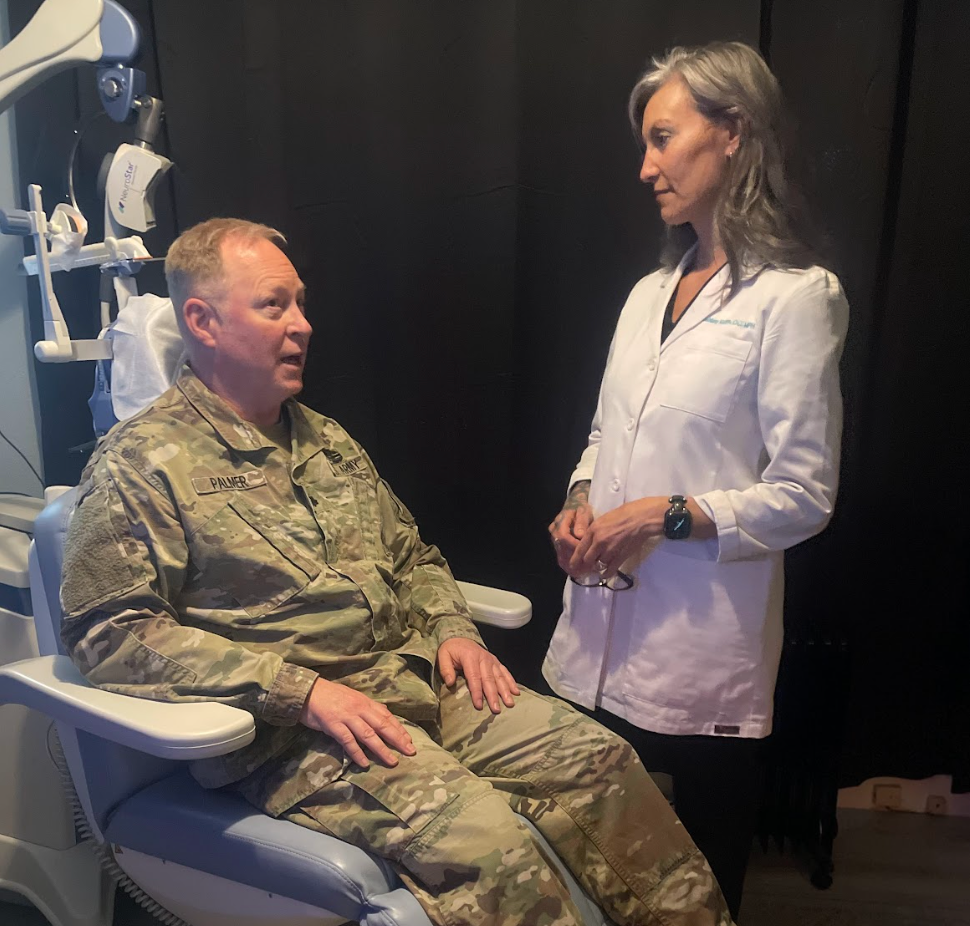
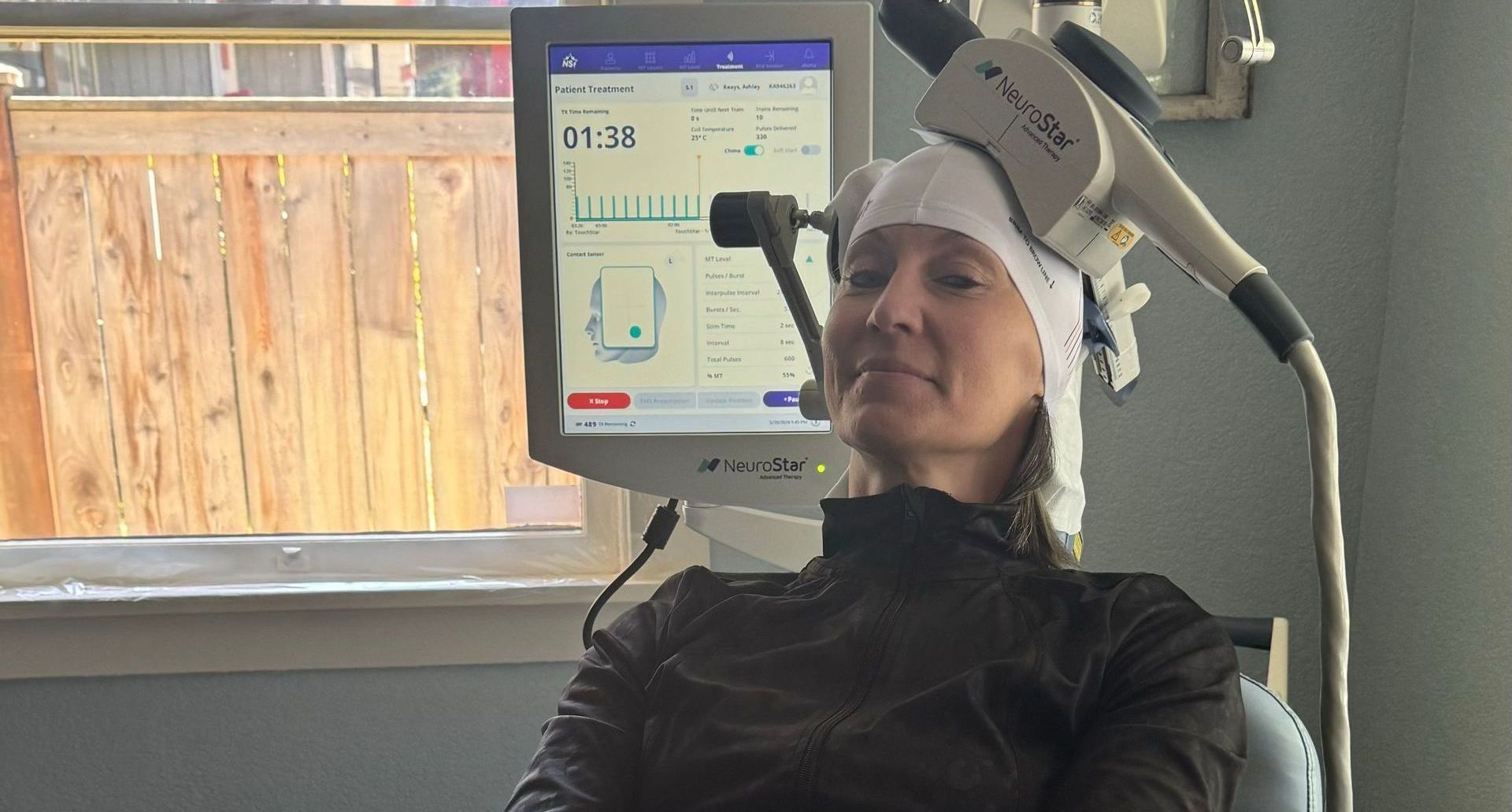
Your care team (physician or supervised clinician) will do motor-threshold mapping to find the right coil placement and stimulation level — this personalizes your dose. The first visit usually takes longer than future visits (about 30–60 minutes).
What it feels like:
- You’ll feel a tapping or rhythmic sensation on the scalp where the coil sits.
- Mild facial muscle twitching is common and normal.
- Some people report scalp sensitivity during or after the session.
Afterward:
- Most people can drive themselves home and return to normal activities the same day.
- Plan a light schedule on the first afternoon in case you feel tired or have a mild headache.
Day 2–3: Getting Used to It
What changes:
- Sessions are usually shorter (around 15–30 minutes) and follow a predictable routine.
- The tapping sensation becomes more familiar and less distracting.
Common experiences:
- Feeling tired after some sessions (others feel energized — responses vary).
- Most people continue working or attending school without issue.
Stay hydrated and eat a light snack before your session to reduce the chance of headaches or fatigue.
Day 4–5: Settling Into Routine
What you’ll notice
- The treatment routine often “feels normal.” Appointments fit more easily into the day, and initial sensitivity usually lessens.
- Some patients notice small early changes such as improved sleep, a subtle lift in mood or more energy - but meaningful mood improvement often takes more time.
Keep in mind
The first week is primarily about adjustment and building consistency. Don’t be discouraged if you don’t feel dramatic changes yet - many patients start noticing clearer benefits around weeks 2–4.
We Accept Insurance
Take a quick 1-minute quiz to check if you meet typical insurance criteria for TMS. It’s an easy way to see if you may qualify - no pressure, no commitment. If you're exploring other treatments or just want to talk it through, Get in touch. We're here to help you understand your benefits and next steps.





Side Effects in Week One
TMS is generally well tolerated. The most common side effects during the first week include:
- Mild headache
- Scalp discomfort near the treatment site
- Temporary facial muscle twitching while the coil is active
Serious side effects are rare. Your MD evaluation and motor-threshold mapping are designed to minimize risk. For more on safety and protocols, see our
“What to Expect”
page.
Can you work or attend school during TMS?
Yes. TMS is an outpatient treatment: sessions can be scheduled before work, during lunch breaks, or after school. Most patients continue their regular routines. If you anticipate a particularly demanding workday, you may prefer a morning or late-afternoon appointment.
Read More: Can you keep working through TMS Therapy
When Do Results Typically Begin?
Many patients begin noticing changes between weeks 2 and 4, with more substantial improvements by the end of a full course. The first week is about getting your brain used to stimulation and establishing a consistent treatment cadence - patience is normal.
What to bring / how to prepare for your first week
- Photo ID & insurance card
- List of current medications (name, dose, start/stop dates)
- Comfortable clothes and a water bottle
- A script of questions you want to ask your clinician
- Arrive fed & hydrated to minimize headache/fatigue
Will TMS make me sleepy or foggy?
Most people do not experience sedation or cognitive fog. Brief tiredness after a session is possible, but many resume normal activities quickly.
Will I feel changes after the very first week?
Some patients notice subtle shifts (better sleep, small mood lift). However, meaningful clinical improvement often appears across weeks 2–4.
How does Creative Wellness personalize care?
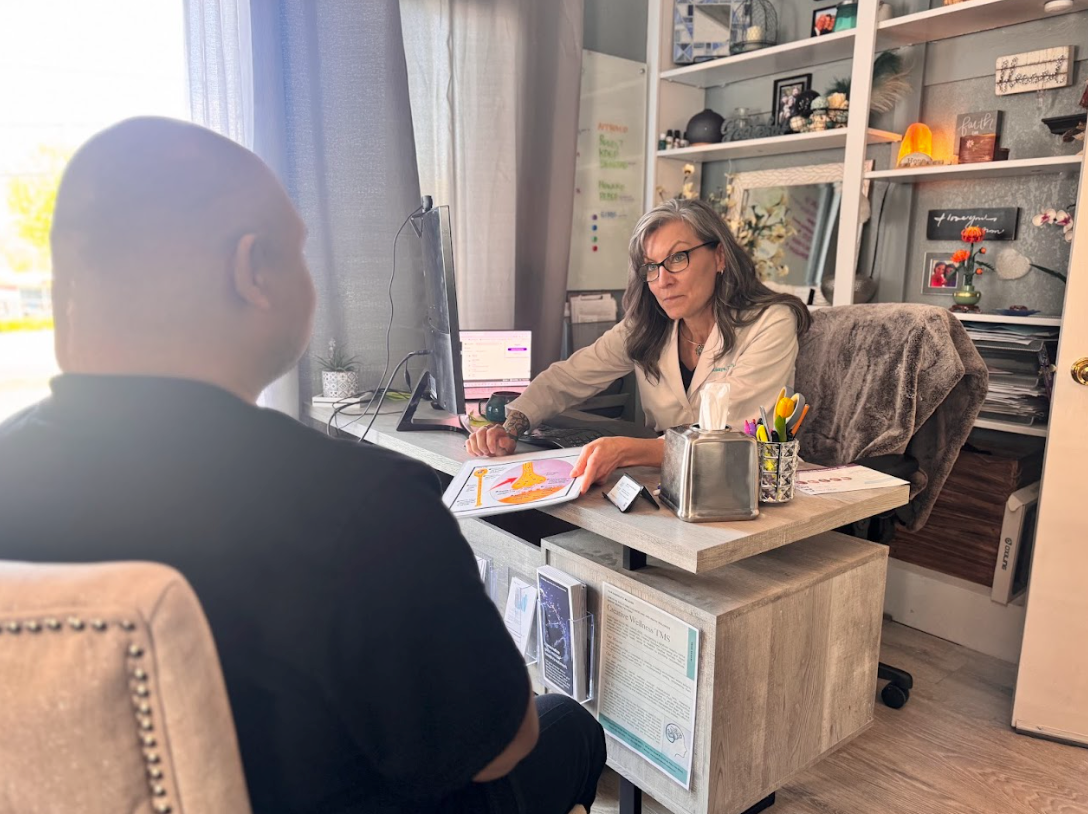
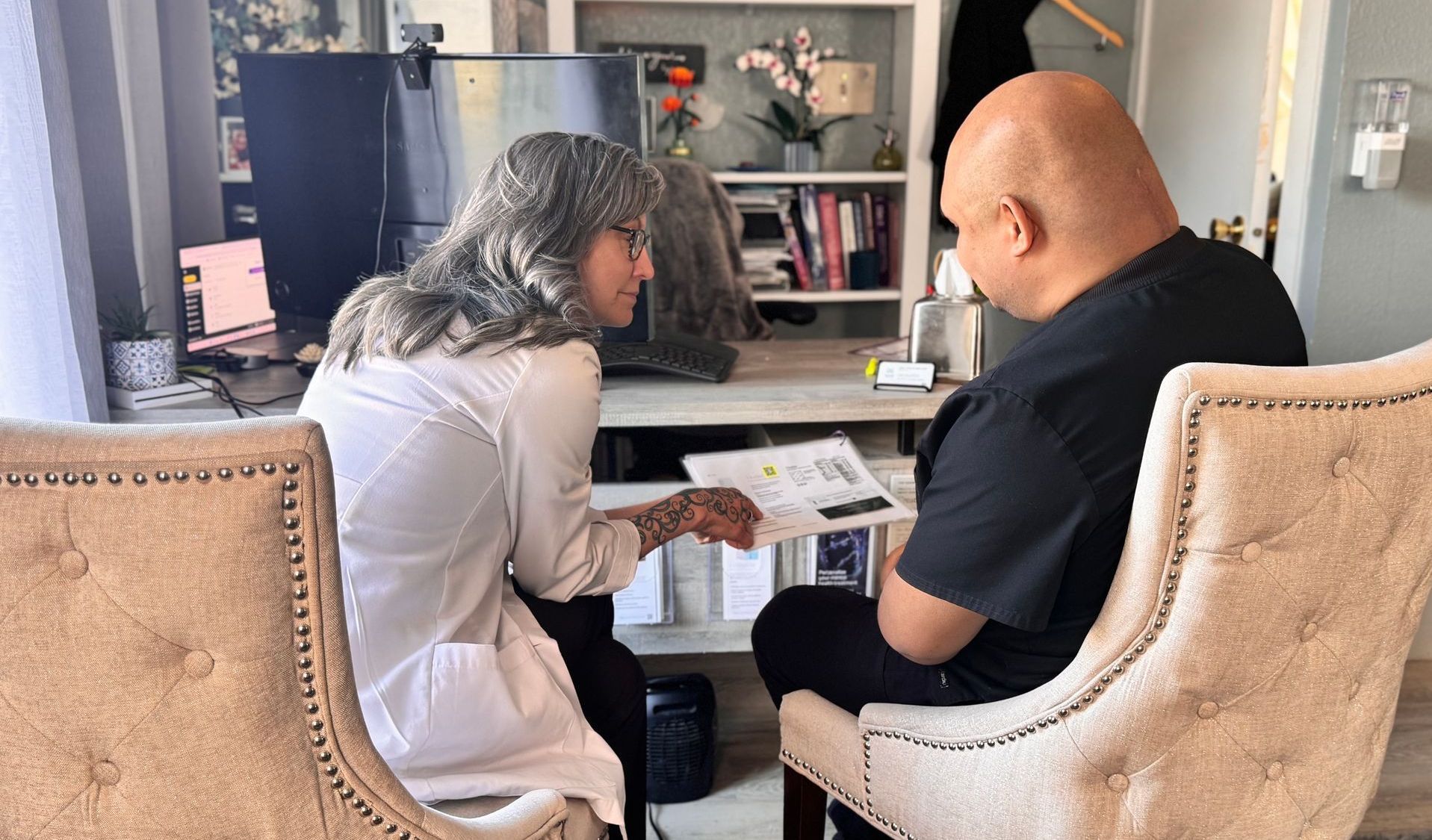
We use MD-led evaluations and motor-threshold mapping to tailor stimulation levels and schedule the most appropriate course for each patient.