TMS Therapy Cost in Washington: A Real Breakdown With and Without Insurance
Ashley Keays • June 4, 2026

Quick Answer: A full course of TMS at Creative Wellness is $5,000 for 36 sessions ($150 per session). With in-network insurance and a successful prior authorization, most patients pay a few hundred to around $1,000 out of pocket. Patients with high deductibles or partial coverage usually land somewhere between $1,000 and $3,000. Without insurance, expect roughly $4,000–$7,000 depending on extras. We do free benefits checks before you commit to anything.


Money is one of the first questions people ask about TMS - and it's one of the hardest to get a straight answer on. List prices and out-of-pocket costs are different numbers. What insurance pays varies wildly between plans. And the "average cost" figures you'll find online don't tell you what you, specifically, are going to pay.


What you're actually paying for


A TMS bill isn't one line item. It bundles several things, and knowing what goes into it makes the final number make more sense.


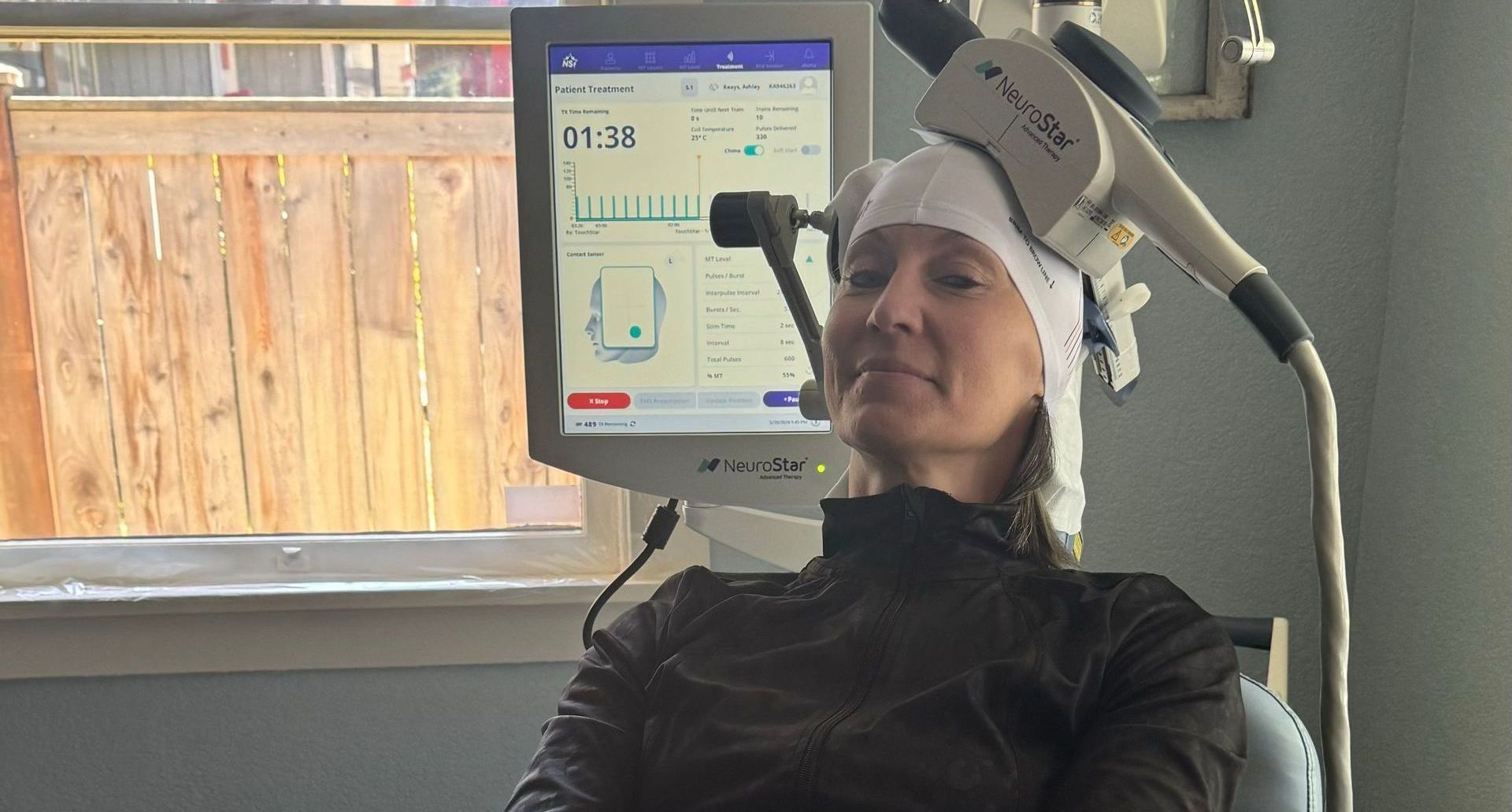
  • The treatment course itself - daily sessions, usually 30 to 36 in total, over four to six weeks. This is the biggest part of the bill.


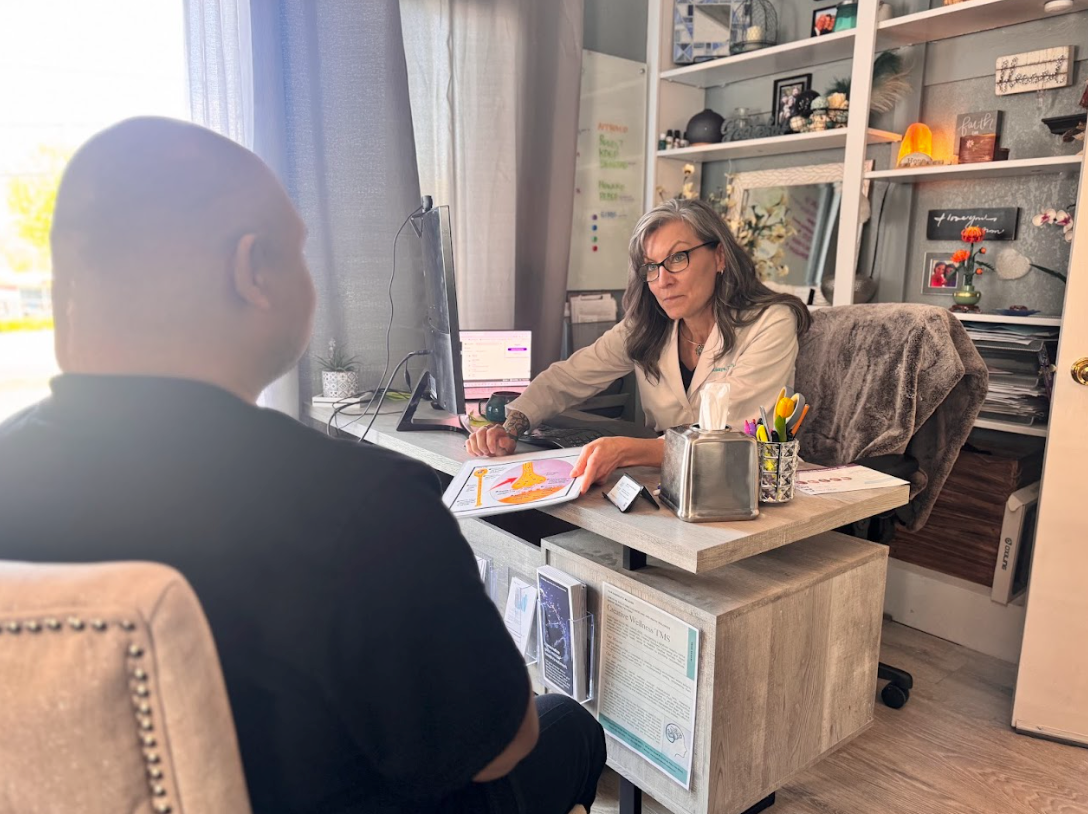
  • An initial psychiatric evaluation - your first appointment, $250, to confirm TMS is appropriate and safe for you.


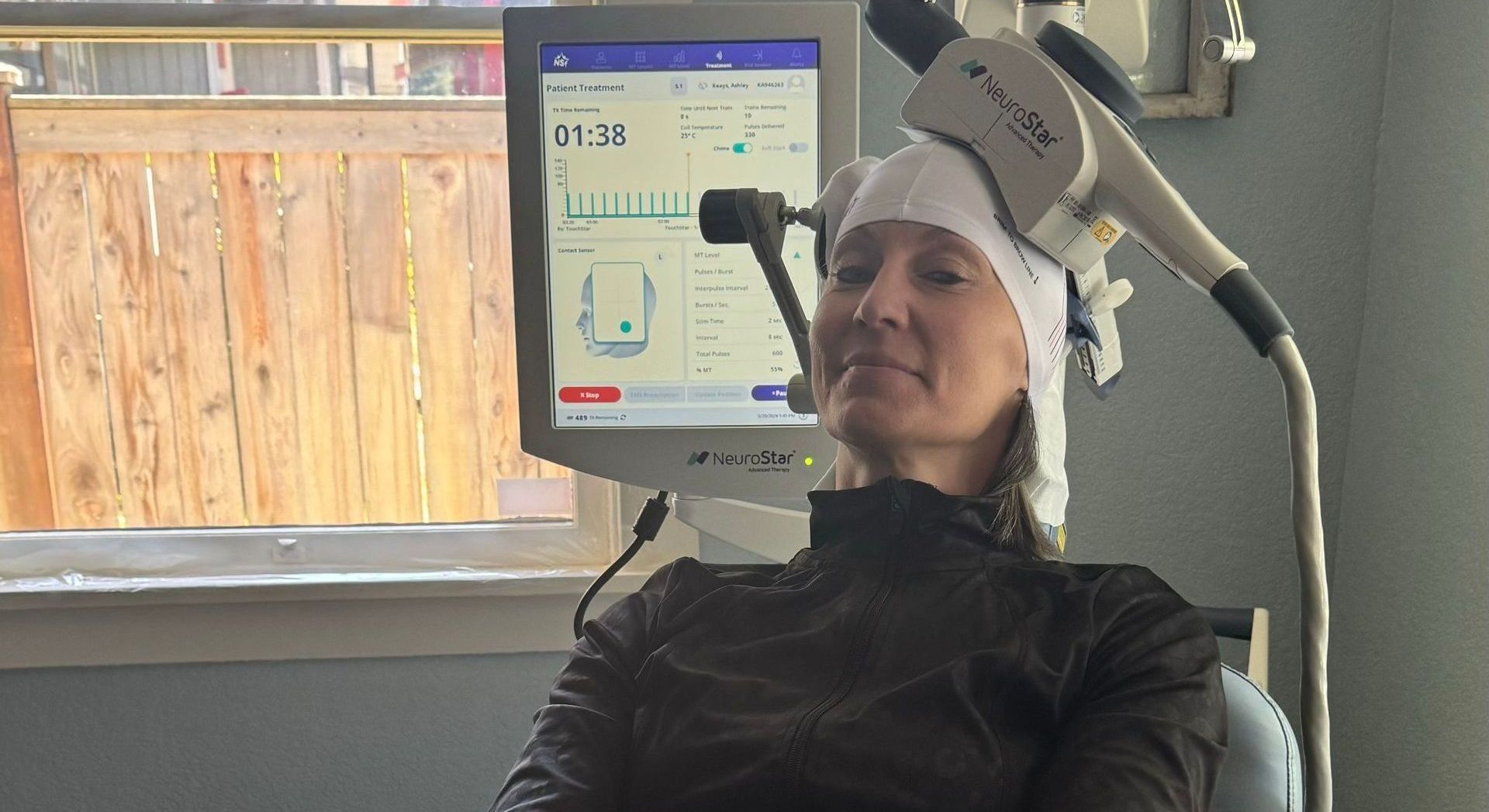
  • Motor-threshold mapping - a one-time clinical step at your first session that personalizes the treatment to your brain. It sets the dose and target.


  • Medication management follow-ups during treatment - $150 per session, covering follow-ups, medication adjustments, and monitoring.


  • Facility and technician time - the chair, the device, the staff running each session.


  • Optional extras - Tempus NeuroPsych genetic testing consultation ($250, with the test itself billed separately by Tempus and generally covered by insurance), Spravato consults if you're combining treatments.


  • Maintenance or booster sessions later on - sometimes recommended after a course wraps up, and sometimes billed separately.


A full course at Creative Wellness is $5,000 for 36 sessions - $150 per session. Each session is valued the same whether it's a mapping session to create your personalized protocol or a full treatment session.


Learn More: What to Expect


How insurance changes the math in Washington


Most major commercial insurers in Washington cover TMS for treatment-resistant depression. They generally also require a prior authorization, which is a formal request your clinic submits proving you meet their coverage criteria = usually a documented history of trying multiple antidepressants without enough relief.


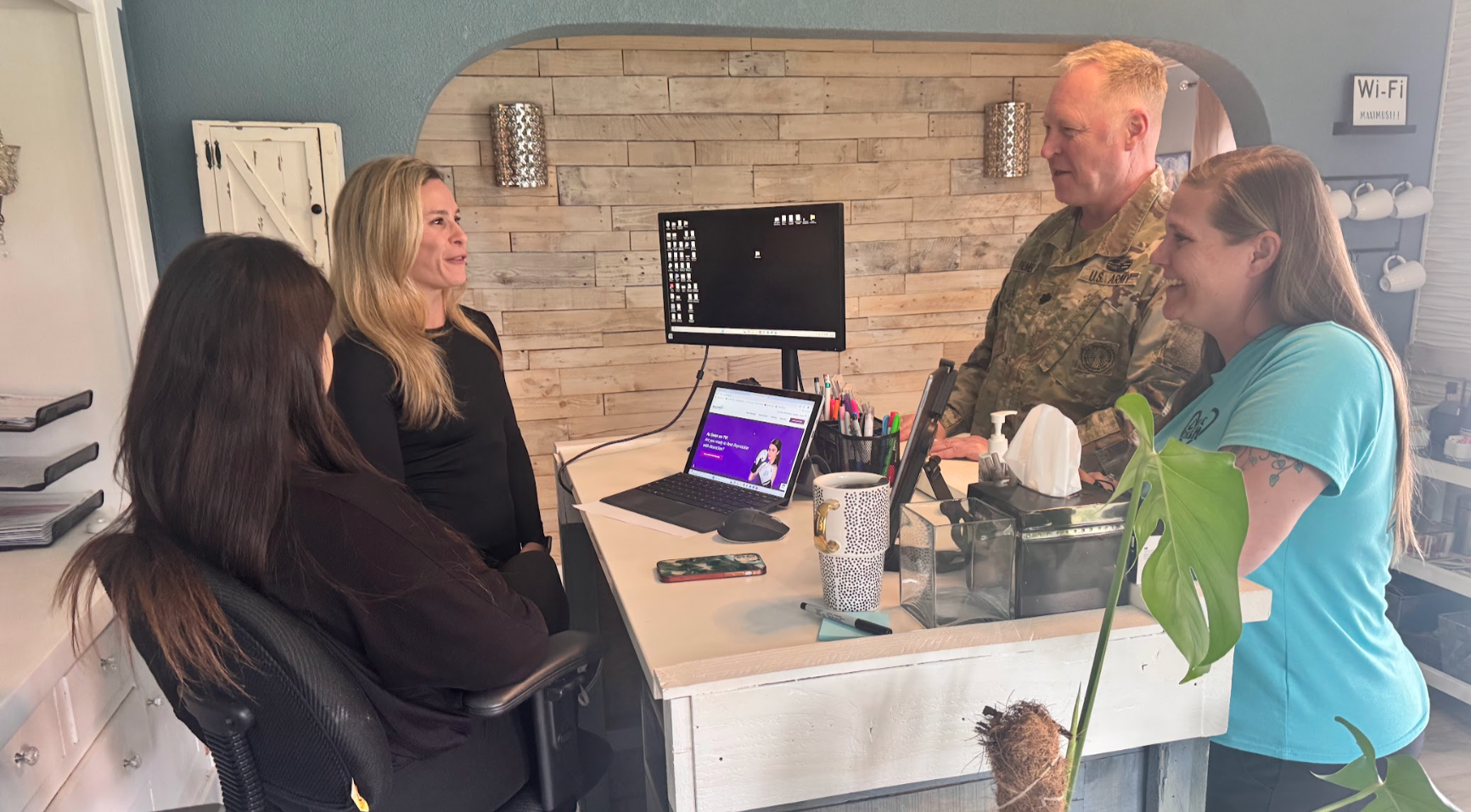
Each plan handles TMS differently - same insurer, different policies — so the only way to know your specific number is a benefits check. We see Regence often in our patient base, and TriWest covers TMS for military families and dependents (including teens 15+ since the October 2025 expansion).


We do these for free, before you commit to anything. You'll get a clear estimate of what your plan covers, what your deductible looks like, and what you'd realistically owe.


Any Questions? Contact Us

We Accept Insurance

Take a quick 1-minute quiz  to check if you meet typical insurance criteria for TMS. It’s an easy way to see if you may qualify - no pressure, no commitment. If you're exploring other treatments or just want to talk it through, Get in touch. We're here to help you understand your benefits and next steps.


Eligibility Quiz

Three realistic scenarios


These cover most of what patients actually run into.


Scenario A: In-network, prior auth approved (best case)


  • Your insurer pre-approves the course. They cover most of the billed charges. You're left with copays and any deductible amount you haven't already hit.


  • Likely out-of-pocket: Small copays or a partial deductible, varying by plan.


  • Example: If your insurer covers 80% of a $5,000 course, you'd owe roughly $1,000, with consult copays on top.


This is the scenario we work toward for every insured patient - but it depends on your plan and how well your prior medication history is documented.


Scenario B: Partial coverage or unmet deductible (most common)


  • Your insurer covers part of the course, but not all, or you've got a high-deductible plan and haven't hit it yet. You pay copays or the billed rate until your deductible is met.


  • Likely out-of-pocket: A few hundred to a few thousand dollars, depending on your deductible and the percentage your plan covers.


  • Example: If insurance covers 50% of the $5,000 course, you'd owe around $2,500, plus any separately billed consults, mapping, or testing.


Most Washington patients with commercial insurance land somewhere in this range. It's not the worst case, but it's not free either.


Scenario C: No coverage or out-of-network (worst case)


  • You're paying most or all of the cost yourself. This happens if your plan doesn't cover TMS, if you're out of network, or if you're being treated for a condition not on your insurer's covered list (PTSD, anxiety, and bipolar depression are common examples - TMS for these is off-label and coverage is inconsistent).


  • Likely out-of-pocket: Roughly $4,000 to $7,000 for a full course, depending on which extras are included.


If this is your situation, we offer self-pay options and can talk through financing arrangements. Nobody should rule out treatment without knowing what the actual number looks like for them.


Hidden costs people don't think about


A few things that aren't always in the headline price:


  • Deductibles. If you haven't met your annual deductible, you'll pay the full billed rate for sessions until you do. For high-deductible plans, this can be the highest single cost.


  • Out-of-network charges. If your clinic isn't in your insurer's network, your share can be significantly higher.


  • Maintenance sessions. If your clinician recommends booster sessions down the line, they're sometimes not covered and billed separately.


  • Appeals work. If your initial prior authorization is denied, the appeal process takes time and sometimes admin fees. We handle the appeal work - but it's worth knowing it's part of the picture.


How to bring your cost down


A few practical things that actually work:


  • Get the benefits check done before anything else. It's free, it takes about a week, and it tells you exactly what your plan will and won't cover. No guessing.


  • Document your medication history clearly. Insurers want specifics - drug names, doses, how long you tried each, and why each was stopped. Vague histories cause prior authorization denials. We work with you to gather this before submitting.


  • Ask about self-pay rates. If insurance is a no, ask what the self-pay option looks like. Some patients find the self-pay route works out cheaper than running a high-deductible plan through to its limit.


  • Plan for follow-ups. If you might need a booster course later, it's worth knowing that going in rather than being surprised by it.
  • How much will I actually pay out of pocket?

    With good in-network coverage, you'll usually owe small copays or a partial deductible. With partial coverage or an unmet deductible, expect hundreds to a few thousand dollars. Without insurance, $4,000–$7,000 is the typical range.

  • Does insurance cover TMS for things other than depression?

    Coverage for treatment-resistant depression is widespread. Coverage for OCD is available with most major insurers but not all. Coverage for off-label uses — bipolar depression, PTSD, anxiety — is inconsistent. Some insurers approve it, others don't. We can check your specific plan.

  • What if my prior authorization is denied?

    It's not the end of the road. Denials can usually be appealed with stronger documentation, and we handle the appeal process. A first denial often becomes an approval after the appeal goes through.

Not Sure Where to Start? We Can Help

With so many treatment options, finding the right one can be overwhelming. Let’s make it easier. Answer a few quick questions, and we’ll help you discover what might work best for you

Take the Quiz →
Collage of workers inspecting a house, van, and equipment during a property repair visit
By Ashley Keays June 4, 2026
Quick Answer: Many TMS clinics in Washington offer TMS and very little else. Creative Wellness offers TMS , Spravato, counseling, medication management, and genetic testing under one roof, across our three Washington locations. For most patients, that means fewer providers to coordinate, faster adjustments when something isn't working, and a treatment plan that can flex as their needs change. When you start researching TMS in Washington, you'll find a lot of clinics offering it. On the surface, they look similar - same FDA-approved technology, same general process, similar pitch. The differences are harder to spot from the outside. One of the biggest differences is also one of the easiest to miss: what happens if TMS alone isn't enough. The TMS-only model: what most clinics look like The standard model in Washington is a clinic that does TMS and not much else. Maybe a consultation, maybe Spravato, but the core offering is the TMS course. For patients who respond well to TMS alone, this model works fine. You come in, you do your sessions, you finish your course, you feel better. The problems start when one of these is true: TMS doesn't work as well as hoped. Roughly half of TMS patients respond strongly. Others see partial improvement. Some need a different combination of treatments to get all the way there. You need medication adjustments during or after TMS. Many patients are on antidepressants when they start. The right next step is sometimes a tweak - but who handles that? Therapy would help alongside TMS. Research consistently shows therapy and TMS work better together for many conditions. But your TMS clinic doesn't offer therapy. A different treatment turns out to be a better fit. Sometimes the original plan needs to change — to Spravato, to medication management, to therapy, or to a combination. At a TMS-only clinic, the answer is the same in every scenario: "you'll need to see someone else for that." That means new referrals, new wait times, new intake paperwork, new providers who don't know your history. The Creative Wellness model: services that work together Creative Wellness offers TMS, but we also offer: Counseling and therapy - individual, couples, and family Spravato (esketamine) - for treatment-resistant depression Medication management - full psychiatric prescribing and monitoring Genetic testing- to guide medication choices through Tempus NeuroPsych TMS for teens (15 and up- the only FDA-approved use of TMS in adolescents, available through our NeuroStar device All of these are available through the same clinic, the same team, and the same patient file. That changes what happens when a treatment plan needs to shift.
Two people holding hands on a rocky beach by the ocean, facing each other under a cloudy sky
By Ashley Keays June 4, 2026
Quick Answer: Couples counseling at Creative Wellness in Olympia is led by Dr. David Simonsen, who has over 25 years of experience working with couples. Sessions are $180 for 60 minutes, available in person or by secure video, and focus on practical work - communication, conflict, trust, and shared goals - without fluff or judgment. Most couples don't come to counseling because everything is fine. They come because something has shifted - communication has gotten harder, the same arguments keep coming back, trust has been damaged, or they've drifted somewhere they didn't plan to be. Some couples are in crisis. Some just want to get back to feeling like a team. When couples counseling makes sense There isn't a single right moment to start. Some common reasons people get in touch: Communication has broken down. Conversations turn into arguments, or stop happening at all. One or both partners feel unheard. The same fight keeps coming back. You've talked about it. You've agreed to change. Nothing actually changes, and you're back in the same place a few weeks later. Trust has been damaged. Infidelity, dishonesty, broken commitments - and you're trying to decide if and how to rebuild. You feel like roommates, not partners. Physical and emotional connection has faded. You're going through the motions. A major life change is straining things. A new baby, a career change, an illness, a move, kids leaving home, retirement. Big transitions tend to expose cracks. You disagree on something fundamental. Money, parenting, intimacy, where to live, whether to stay together at all. You don't need to wait for things to be bad. Couples come for tune-ups too - to strengthen what's working and address small things before they become big ones.
By Ashley Keays April 29, 2026
Bipolar disorder has two sides - the highs (mania) and the lows (depression). For most people, the lows are where they spend most of their time, and the lows are usually what does the most damage to work, relationships, and day-to-day life. They're also the harder side to treat. Most bipolar medications are aimed at the highs, and many people try one after another for years without finding something that holds. TMS - a treatment that uses gentle magnetic pulses to the brain - is giving some of these patients a real option. But bipolar depression is trickier than regular depression, so we want to be straight with you about what TMS can and can't do, what the research actually shows, and how treatment works if you decide to try it. Is TMS approved for bipolar depression? Not yet. Right now, TMS is officially approved by the FDA for regular (non-bipolar) depression, for OCD, and for teens aged 15 and up with regular depression. For bipolar depression, doctors use it "off-label" - meaning it's allowed and widely used, but it doesn't yet carry a formal FDA approval for that specific condition. There has been a big step forward, though. In 2020, the FDA gave the NeuroStar TMS device - the one we use at Creative Wellness - something called a Breakthrough Device Designation for bipolar depression. That's the FDA saying, in effect: "This looks promising enough that we want to help it move through the approval pipeline faster." It's not full approval yet. But it's nothing either. Does it actually work? There's growing evidence that TMS can ease symptoms of bipolar depression - enough that the FDA granted NeuroStar (the device we use) Breakthrough Device Designation in 2020 to formally evaluate it for this use. Results vary from person to person. Some people respond well, some don't. We don't promise outcomes. What we can say confidently is that TMS is well-tolerated and safe for people with bipolar depression, without the systemic side effects that come with most bipolar medications.  One important note: there's some evidence that TMS can occasionally trigger a manic episode in a small number of bipolar patients. It's rare, but real - which is why we monitor closely throughout treatment. Before starting, an accurate diagnosis matters. Some patients have been labelled bipolar when the diagnosis isn't entirely clear, and a careful review sometimes identifies regular (unipolar) depression as the better fit, which changes the treatment plan and what insurance will cover.
Doctor in white coat working on a laptop at a desk, typing in a bright office
By Ashley Keays April 29, 2026
First responders carry something most people don't: the cumulative weight of traumatic events, repeated over years, absorbed as part of the job. The hypervigilance that keeps you sharp on a shift doesn't switch off when you go home. The images don't fade on schedule. Sleep gets harder. Reactions get bigger. Relationships get harder to hold onto. For many first responders, the symptoms build quietly for years before anyone names them. Some people call it burnout. Some call it stress. Clinically, it often meets the criteria for PTSD, treatment-resistant depression, or both. This post is about one treatment option that's increasingly being used for people in this situation: transcranial magnetic stimulation (TMS). This non-drug treatment works directly on the brain circuits driving these symptoms. Why first responders are at higher risk Working in emergency services is a recognised risk factor for PTSD . It sits alongside combat exposure, childhood trauma, and other situations where the brain gets pushed into survival mode repeatedly and struggles to come back down. Roughly 7 to 9% of people will experience PTSD at some point in their lifetime. For people in emergency services roles, the exposure is repeated and cumulative - it's not one big event but the tenth, the fiftieth, the hundredth. The math changes. One more thing to know: PTSD rarely travels alone. Roughly half of the people with PTSD also have depression. Anxiety, sleep problems, and substance use often come into the picture too. What might look like "just depression" or "just not sleeping well" is often something more layered. What's actually happening When you go through something life-threatening, your brain drops into a survival mode - hypervigilant, on edge, ready to react. Normally, once the danger passes, your brain returns to its usual state. With repeated or severe trauma, that reset doesn't fully happen. Certain pathways get stuck on high alert. The practical result is a brain that keeps sounding the alarm when there's no fire. That's the hypervigilance, the startle response, the inability to fully relax. It's not a character flaw or weakness. It's a biological pattern - and that means it's something that can be changed with the right treatment. What PTSD actually looks like The symptoms tend to fall into four groups: Intrusive thoughts - flashbacks, nightmares, distressing memories that show up without warning Negative mood and thinking - persistent fear, anger, guilt, or shame; feeling detached from people you used to feel close to; loss of interest in things you used to enjoy. Being constantly on edge - easily startled, struggling to sleep, trouble concentrating, irritability or aggression Avoidance - steering clear of anything that brings it back Any of these can make normal life harder - holding down a job, keeping relationships intact, making decisions, and getting proper rest. Left untreated, PTSD also raises the risk of depression, suicidal thoughts, and substance misuse. Will insurance cover it? It depends on the diagnosis and the insurer. For treatment-resistant depression, TMS is FDA-approved and covered by most plans when the paperwork supports it . For PTSD specifically, coverage is less consistent - some insurers approve it, others don't. When both are present, there's often a clear path to coverage through the depression diagnosis, with PTSD adjustments added during the same course. We check your coverage upfront and are straight with you about costs either way. No surprises.
Two people sit in chairs facing each other, reviewing a document together in a home office setting.
By Ashley Keays March 31, 2026
For most patients, the insurance approval process for TMS is a black box. You submit information, wait, and eventually hear yes or no - often without a clear understanding of what happened in between or why the decision went the way it did. That lack of visibility is a problem because what happens behind the scenes matters. A well-prepared prior authorization submission significantly improves the likelihood of approval. A poorly documented one - or one that misses a specific insurer’s criteria - can result in a denial that takes weeks to appeal, delaying treatment the patient genuinely needs. Why TMS Requires Prior Authorization TMS is an FDA-approved treatment, but FDA approval and insurance coverage are entirely separate things. Insurers make their own coverage determinations based on their own clinical policies, which vary by provider and are updated periodically as the evidence base evolves. Most major insurers in Washington now cover TMS for treatment-resistant major depressive disorder, but they require prior authorization - a formal request from the treating clinic that demonstrates the patient meets their specific eligibility criteria before treatment begins. This is standard for any high-cost or specialist treatment, not unique to TMS. The keyword is “before.” Starting treatment without authorization in place is a significant financial risk. If coverage is denied after treatment has begun, the patient may be liable for the full cost. A clinic that allows this to happen is not doing its job. What Insurers Typically Require Each insurer has its own coverage policy, but most share a common set of core requirements. Understanding these in advance helps you arrive at your evaluation with the right history documented. Diagnosis T MS is covered fo r major depressive dis order (MDD) and, with some insurers, OCD . The diagnosis must be formally documented by a qualified clinician. Off-label uses - anxiety, PTSD, and others - are generally not covered, though this varies and is worth checking with your specific insurer. Prior medication trials Most insurers require documented evidence that the patient has tried and failed to respond to a minimum number of antidepressants - typically two to four, from different drug classes, at adequate doses and durations. “Failed to respond” means either no meaningful improvement or side effects that made the medication intolerable. This documentation needs to be specific: drug names, doses, duration, and outcome. Symptom severity Insurers typically require evidence of moderate to severe depression, usually demonstrated through a validated rating scale score. This is part of why the clinical evaluation matters - it generates the baseline data that supports the authorization request. Prior psychotherapy Some insurers also require documented evidence of prior psychotherapy, typically a course of CBT or equivalent. This requirement is not universal, but it appears in enough coverage policies that it is worth checking early. Medical necessity statement The treating clinician must provide a written statement explaining why TMS is medically necessary for this specific patient, given their history and current presentation. Vague or generic statements are a common reason for denials. The documentation needs to tell a clear, specific clinical story.
A person in a red shirt sits on a gray chair in a waiting area, reading a yellow folder, with a table and rug nearby.
By Ashley Keays March 31, 2026
TMS is often described as a standalone treatment - and it can be. But the research, and clinical experience, point consistently in the same direction: patients who combine TMS with evidence-based therapy tend to do better. Not marginally better. Meaningfully better, with stronger outcomes and longer-lasting results. This article explains why that is, how CBT and ERP specifically complement what TMS does neurologically, and how care coordination works in practice when you’re receiving both treatments - whether from Creative Wellness directly or from an external therapy provider. Why TMS and Therapy Target Different Things TMS works by delivering magnetic pulses to specific areas of the brain involved in mood regulation. For depression, the primary target is the left dorsolateral prefrontal cortex - a region that is typically underactive in people with major depressive disorder. Repeated stimulation over a course of treatment helps restore more normal activity patterns in these neural circuits. What TMS does not do is change how you think. It does not teach coping skills, restructure unhelpful thought patterns, or help you process experiences that may be contributing to your symptoms. That is what therapy does. This is not a limitation of TMS - it is simply a different mechanism. The two approaches address different dimensions of the same condition. TMS creates the neurological conditions for improvement; therapy builds the cognitive and behavioural skills to sustain it. Used together, each makes the other more effective. What Is CBT and Why Does It Pair Well With TMS? Cognitive Behavioural Therapy (CBT) is one of the most extensively researched psychological treatments available. It is based on the principle that thoughts, feelings, and behaviours are interconnected - and that changing unhelpful thought patterns can directly improve mood and reduce symptoms. In practice, CBT helps patients identify automatic negative thoughts (such as catastrophising, black-and-white thinking, or self-blame), examine their accuracy, and replace them with more balanced, realistic perspectives. It also addresses behavioural patterns - particularly avoidance and withdrawal - that tend to maintain and deepen depression. The pairing with TMS is logical. TMS can lift the neurological floor - reducing the severity of depressive symptoms enough for a patient to engage meaningfully in therapy. Many patients find that CBT feels impossible when they are at their lowest; the cognitive effort required is simply too great. TMS can change that. As brain activity normalises, the capacity to engage with and benefit from therapy increases. Conversely, the insights and skills developed in CBT help protect the gains made through TMS. Depression tends to recur, and one of the strongest predictors of relapse is the absence of coping skills when symptoms begin to return . CBT directly addresses this vulnerability.
Two people in casual attire sitting in a small room for a consultation, one on a couch and the other in a chair.
By Ashley Keays March 31, 2026
Finding the right antidepressant is, for many people, a frustrating process of trial and error. You try a medication, wait four to six weeks to assess whether it’s working, adjust the dose, manage side effects, and if it doesn’t work, start again with something else. For patients with treatment-resistant depression, this cycle can stretch across years. Pharmacogenetic testing - genetic testing applied to medication selection - is one of the more meaningful advances in psychiatric care precisely because it addresses this problem directly. At Creative Wellness TMS, we offer genetic testing as part of our integrated approach to treatment planning. This article explains what it is, how it works, and when it’s most useful alongside TMS and medication management. What Is Pharmacogenetic Testing? Pharmacogenetics is the study of how your genes affect your response to drugs. The same medication at the same dose can produce very different outcomes in different people - some respond well, some experience significant side effects , and some metabolize the drug so quickly or slowly that it never reaches a therapeutic level in the body. These differences are largely genetic. Variations in specific genes - particularly those governing liver enzymes responsible for drug metabolism - determine how your body processes psychiatric medications. By analyzing these genes, clinicians can make more informed decisions about which medications are likely to work for you, which are likely to cause problems, and at what dose. At Creative Wellness, the test examines 18 genes relevant to psychiatric medication response. It is completed across two appointments: a sample is collected at the first session, and results are reviewed with your clinician approximately two weeks later. Learn More: Genetic Testing Explained: Why We Offer It & What It Changes What the Results Actually Tell Your Clinician Genetic test results are typically presented in categories that reflect how your body is likely to process specific medications: Poor metabolizers process a drug more slowly than average, meaning standard doses can accumulate to levels that cause side effects. Rapid or ultrarapid metabolizers clear the drug too quickly for it to reach effective concentrations, which can explain why a medication appears not to work even at standard doses. Normal metabolizers fall within the expected range, meaning standard prescribing guidelines apply. This information is applied across the main classes of psychiatric medication - SSRIs, SNRIs, tricyclics, antipsychotics, mood stabilizers, and others. It tells your clinician which drugs from each class are likely to be well-tolerated and effective, which to approach with caution, and which to avoid. It is worth being clear about what the test does not do: it does not predict with certainty that a specific medication will work. Genetics is one factor among several - diagnosis, symptom profile, lifestyle, and other medications all play a role. But it substantially narrows the field and gives prescribing decisions a more solid foundation than symptom history alone.
A medical professional in a lab coat sits at a small table, typing on a laptop and looking at the screen.
By Ashley Keays March 30, 2026
If you’re considering TMS therapy, one of the first questions you probably have is: “Will I actually qualify?” The answer depends on a structured clinical evaluation - a process that goes well beyond a simple checklist. At Creative Wellness TMS, our clinicians assess multiple dimensions of your health history and current symptoms before recommending TMS. This article walks you through exactly what that evaluation involves, so you arrive at your first consultation fully informed. Why the Evaluation Matters TMS is not a one-size-fits-all treatment. It is FDA-approved for specific conditions, requires a meaningful time commitment (typically five sessions per week for four to six weeks) , and carries contraindications for certain patients. The evaluation exists to protect you - ensuring TMS is both safe and likely to be effective given your individual situation. Skipping or rushing this process would be a disservice. A thorough evaluation is what separates a treatment plan built around your needs from a generic one . Step 1: Confirming Your Diagnosis and Condition Severity The evaluation begins with a clear picture of your diagnosis. TMS is FDA-approved for: Treatment-resistant major depressive disorder (MDD) in adults Obsessive-compulsive disorder (OCD) Major depressive disorder in adolescents aged 15 and over (via the NeuroStar system, which Creative Wellness uses - the only FDA-cleared TMS device for this age group) TMS can also be offered as an off-label treatment for conditions including anxiety, PTSD, and certain neurological presentations . In these cases, your clinician will discuss the current evidence base with you and set realistic expectations around outcomes and insurance coverage. Symptom severity is assessed using standardized clinical tools. For depression, this typically involves validated rating scales that measure how significantly your symptoms are affecting your daily life - your sleep, concentration, mood, energy, and ability to function at work or in relationships. This baseline measurement also serves as a reference point for tracking your progress once treatment begins.
A professional sitting at a desk consults with a patient, holding a colorful informational brochure.
By Ashley Keays March 30, 2026
Transcranial magnetic stimulation (TMS) is a proven, FDA-approved treatment for conditions like treatment-resistant depression and OCD - and for many patients, a single course of TMS delivers meaningful, lasting relief. But for others, the journey looks a little different. Some patients benefit from a second course of TMS, periodic booster sessions, or an ongoing maintenance plan to sustain their results over time. If you've completed TMS and are wondering what comes next - or if your clinician has mentioned the possibility of additional treatment - this guide will help you understand why repeat courses happen, how decisions about further treatment are made, and what maintenance TMS can look like in practice. What Is a TMS Course, and How Does It Typically Work? A standard course of TMS at Creative Wellness typically involves daily sessions, five days a week, over four to six weeks. Each session lasts approximately 20 minutes. During treatment, magnetic pulses are precisely delivered to areas of the brain associated with mood regulation, gradually encouraging healthier neural activity. Many patients begin noticing improvements within the first few weeks, and results often continue to develop after the course concludes. For a significant proportion of patients, this initial course produces sustained symptom relief - sometimes for a year or more. However, TMS is not a one-size-fits-all treatment. The brain is complex, mental health conditions vary enormously between individuals, and factors like the severity of symptoms, prior treatment history, and the presence of other conditions all influence how someone responds to TMS. Why Some Patients Benefit From More Than One Course The need for additional TMS treatment doesn't mean the first course failed - in most cases, it means the opposite. Here are the most common reasons a patient might return for further TMS: 1. Symptom Recurrence Over Time C onditions like treatment-resistant depression are chronic for many people . Even when TMS produces an excellent initial response, symptoms can return over time - particularly during periods of heightened stress, major life changes, or seasonal shifts. This is not unique to TMS; it reflects the nature of the underlying condition. In these cases, a repeat course of TMS can effectively re-establish the neural changes that reduced symptoms in the first place. Research suggests that patients who have responded well to TMS previously are likely to respond well again. 2. Partial Response to the Initial Course Some patients experience meaningful improvement during their first TMS course but don't achieve full remission. This partial response is still clinically significant - and it often means the brain is showing signs of neuroplasticity that a second course can build upon. In these situations, a clinician may recommend adjusting the treatment protocol — including targeting different brain regions, modifying the frequency or intensity of pulses, or extending the overall course length — to optimize outcomes. 3. Complex or Comorbid Conditions Patients managing multiple mental health conditions - such as depression alongside PTSD, OCD, or anxiety - often have more complex treatment needs. TMS may need to be applied across different brain regions or protocols to address overlapping symptoms, which can mean a longer or more phased treatment journey. 4. Medication Changes or Life Stressors Significant changes to a medication regimen, a major health event, or a sustained period of stress can sometimes destabilize progress. TMS can play a stabilizing role during these periods, either through a short booster series or a more structured maintenance plan.
Four people talk around a desk in an office with a brick wall, focusing on a laptop screen and a desktop monitor.
By Ashley Keays March 30, 2026
Quick overview When you begin Transcranial Magnetic Stimulation (TMS), one of the most important steps is motor-threshold mapping. Mapping is a quick, clinician-led procedure that measures how your brain responds to single magnetic pulses and uses that information to set a safe, personalized stimulation dose. Because TMS effectiveness and safety depend on correct dosing and placement, mapping is a cornerstone of MD-led TMS care at Creative Wellness. What is motor-threshold mapping? Motor-threshold mapping determines the smallest amount of magnetic energy needed to reliably produce a measurable motor response in a target muscle (usually a thumb or finger). That value - the motor threshold - tells clinicians how excitable the motor cortex is for a specific patient. The clinic then prescribes treatment intensity as a percentage of that threshold, so the therapeutic pulses are individualized rather than “one size fits all.” In practice, mapping is a physiologic test: the clinician delivers single TMS pulses over the motor cortex and observes or records the resulting muscle twitch or electrical signal. The result is an objective number that guides dosing and placement across the rest of the treatment. Mapping is both a safety and efficacy tool. What clinicians measure Motor response - the clinician looks for a consistent muscle twitch (typically in the hand/thumb) in response to single magnetic pulses. Some clinics use surface electromyography (EMG) to record muscle responses; others observe the twitch visually. Resting motor threshold (RMT) - the lowest stimulation intensity that produces a motor response a defined percentage of the time (a reproducible, clinic-defined threshold). RMT is the standard measure used to normalize the dose. Scalp coordinates - mapping also helps identify the motor cortex location relative to the patient’s scalp so clinicians can localize the treatment target ( for depression, typically the left dorsolateral prefrontal cortex ) with greater precision. How mapping determines treatment intensity Mapping converts a physiologic measurement (the motor threshold) into a personalized treatment dose. Treatment protocols are expressed as a percentage of the motor threshold - for example, a protocol may prescribe stimulation at a set percentage above RMT. By tying the dose to each patient’s threshold, clinicians ensure the brain receives effective, but not excessive, stimulation. Two practical benefits of this approach: Safety : By using an individualized threshold, clinicians reduce the chance of overstimulation, which helps minimize rare adverse events (for example, seizures) and other side effects. Effectiveness : Personalized dose improves the likelihood that the targeted brain region receives an adequate stimulation dose to produce meaningful changes in neural networks. Proper placement and dose together improve clinical outcomes over scalp-based “fixed” dosing methods.