TMS for Bipolar Depression: What Patients in Washington Need to Know
Bipolar disorder has two sides - the highs (mania) and the lows (depression). For most people, the lows are where they spend most of their time, and the lows are usually what does the most damage to work, relationships, and day-to-day life. They're also the harder side to treat. Most bipolar medications are aimed at the highs, and many people try one after another for years without finding something that holds.
TMS - a treatment that uses gentle magnetic pulses to the brain - is giving some of these patients a real option. But bipolar depression is trickier than regular depression, so we want to be straight with you about what TMS can and can't do, what the research actually shows, and how treatment works if you decide to try it.
Is TMS approved for bipolar depression?
Not yet. Right now, TMS is officially approved by the FDA for regular (non-bipolar) depression, for OCD, and for teens aged 15 and up with regular depression. For bipolar depression, doctors use it "off-label" - meaning it's allowed and widely used, but it doesn't yet carry a formal FDA approval for that specific condition.
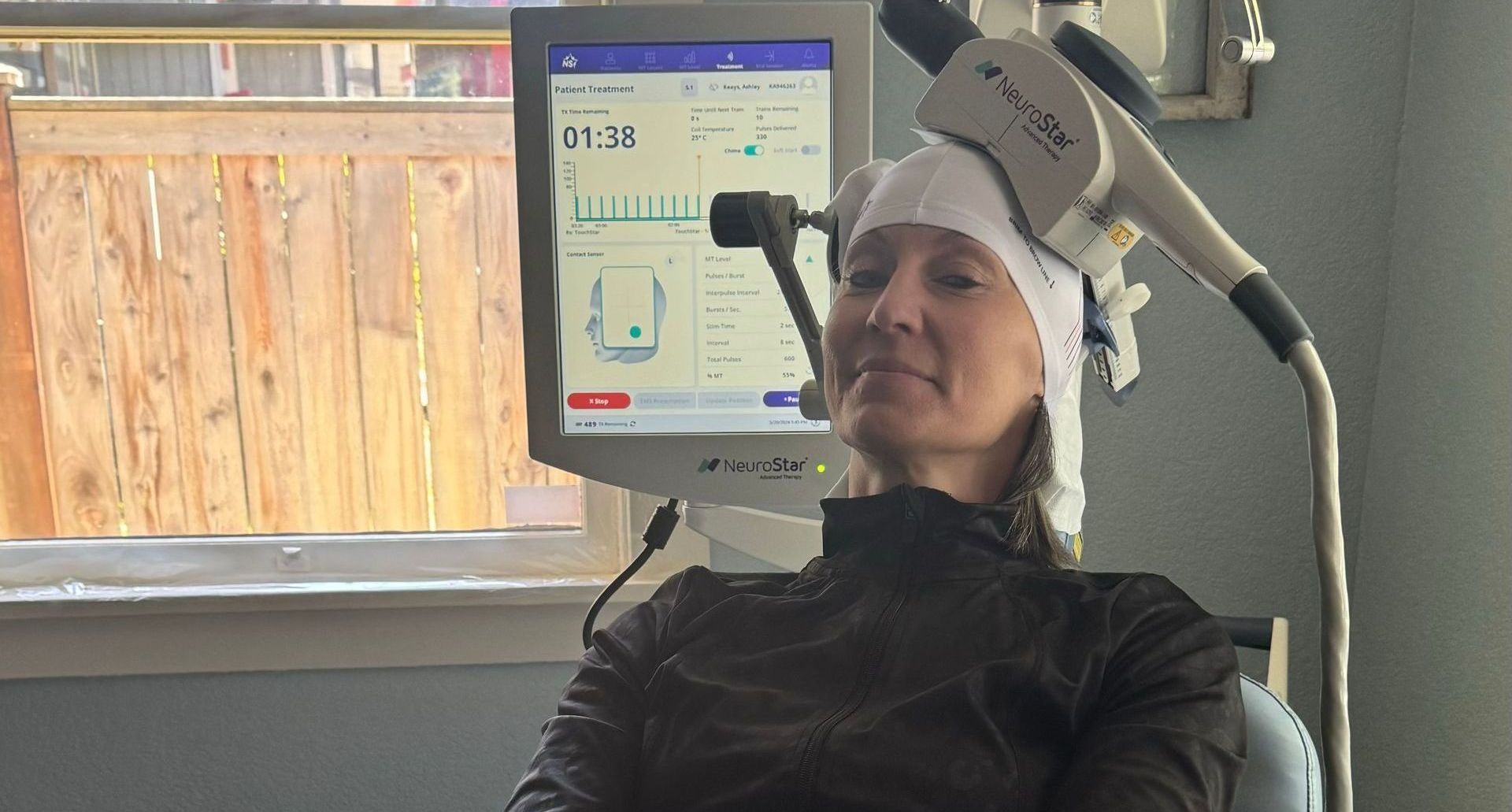
There has been a big step forward, though. In 2020, the FDA gave the NeuroStar TMS device - the one we use at Creative Wellness - something called a Breakthrough Device Designation for bipolar depression. That's the FDA saying, in effect: "This looks promising enough that we want to help it move through the approval pipeline faster." It's not full approval yet. But it's nothing either.
Does it actually work?
There's growing evidence that TMS can ease symptoms of bipolar depression - enough that the FDA granted NeuroStar (the device we use) Breakthrough Device Designation in 2020 to formally evaluate it for this use. Results vary from person to person. Some people respond well, some don't. We don't promise outcomes.
What we can say confidently is that TMS is well-tolerated and safe for people with bipolar depression, without the systemic side effects that come with most bipolar medications.
Before starting, an accurate diagnosis matters. Some patients have been labelled bipolar when the diagnosis isn't entirely clear, and a careful review sometimes identifies regular (unipolar) depression as the better fit, which changes the treatment plan and what insurance will cover.
We Accept Insurance
Take a quick 1-minute quiz to check if you meet typical insurance criteria for TMS. It’s an easy way to see if you may qualify - no pressure, no commitment. If you're exploring other treatments or just want to talk it through, Get in touch. We're here to help you understand your benefits and next steps.





How TMS for bipolar disorder is different from TMS for regular depression
The treatment itself looks pretty similar. You come in for short daily sessions, usually five days a week for four to six weeks. Each session lasts about 20 minutes. You sit in a chair, a cushioned device rests against the side of your head, and you feel a light tapping sensation while the pulses are delivered. You can drive yourself home afterwards and go back to normal life right away.
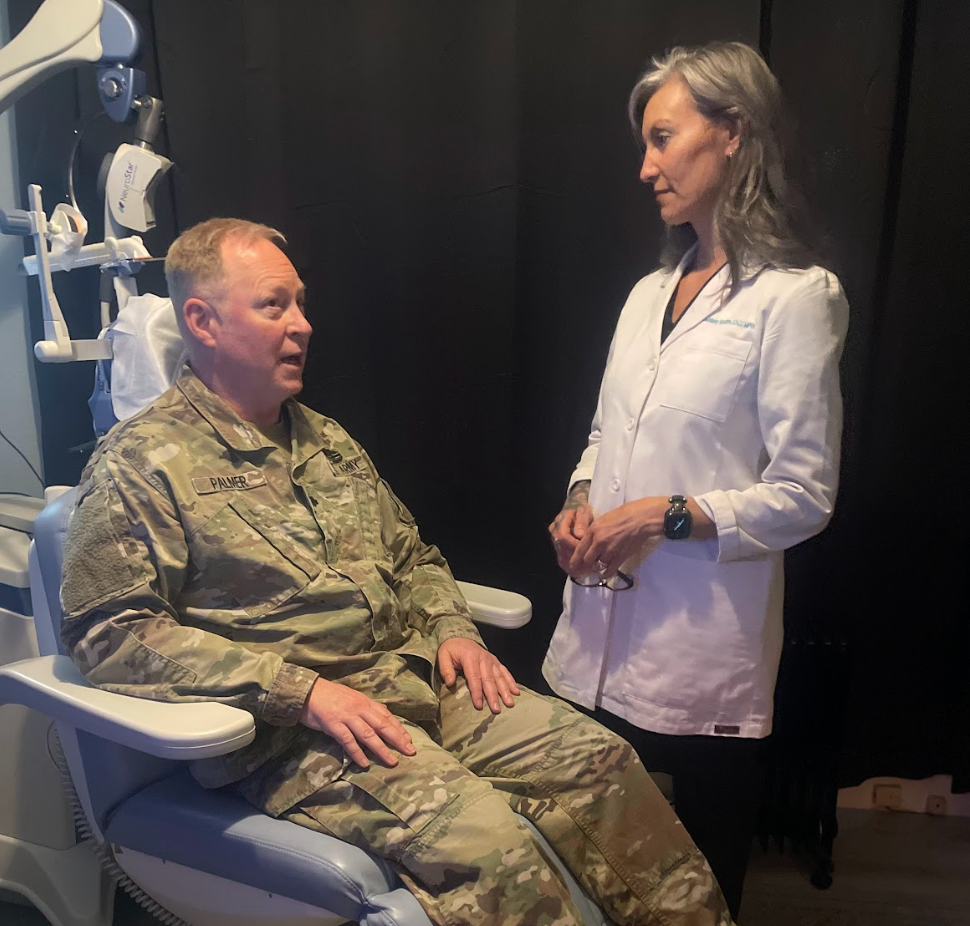
What's different for bipolar patients is everything around the treatment - the screening before, the safety checks during, and how we work with your other doctors.
1. A more careful check-up before we start
Everyone gets a thorough evaluation before TMS, but for bipolar patients, we look at a few extra things. We want to confirm you're in a stable place before starting - not in the middle of a manic episode, not in a mixed state where you're feeling depressed and wired at the same time, and not in an active, rapid-cycling pattern where moods are flipping quickly. Starting from a stable base is a big part of what keeps treatment safe.
2. Your mood-stabilising medication stays on
A common question we get: Do I have to come off my medications for TMS? For bipolar patients, the answer is usually no, and in most cases, we specifically want you to stay on them. Medications like lithium, lamotrigine, and valproate are what keep your mood steady. They're the safety net. Removing the safety net while adding a new treatment isn't something we'd do lightly.
If we think there's a good reason to adjust a medication, that's a conversation your TMS doctor has with your prescribing doctor - not a decision made on its own.
3. Closer watching for mood shifts during treatment
Even though the overall research is reassuring about mania risk, individual people can sometimes start tipping toward the high side during any depression treatment, TMS included. So during your course, we don't just ask how your mood is. We ask how you're sleeping, whether you're feeling unusually wired or irritable, whether your thoughts are racing, and whether you're making impulsive decisions. We also ask your family or partner to flag anything that seems "off" between sessions. If we see something shifting, we respond quickly rather than pushing through.
4. Working with your psychiatrist, not around them
Bipolar is a long-term condition. TMS, even when it works beautifully, isn't a cure - it's a powerful tool within a bigger plan. So we stay in regular contact with your psychiatrist before, during, and after your course. If you don't currently have one, we can help you set that up through our in-house medication management team.
Who is a good fit - and who isn't
You might be a reasonable candidate for TMS if:
- You've been formally diagnosed with bipolar I or bipolar II, and you're currently in a depressive phase.
- You've tried at least one or two standard bipolar treatments, and they haven't worked well enough.
- You're on a mood-stabilising medication, or we have a plan to get you on one before starting.
- You don't have a history of seizures, and you don't have metal implants in or near your head.
- You're in a relatively steady place right now - not currently manic, not in a mixed episode, not experiencing psychosis.
TMS probably isn't the right next step if:
- You're currently in a manic or hypomanic episode. The priority is settling that, not adding TMS on top.
- Your moods are flipping quickly and aren't currently under control. Stabilising that pattern comes first.
- You have certain medical conditions that make TMS unsafe (your doctor will check for these during the evaluation).
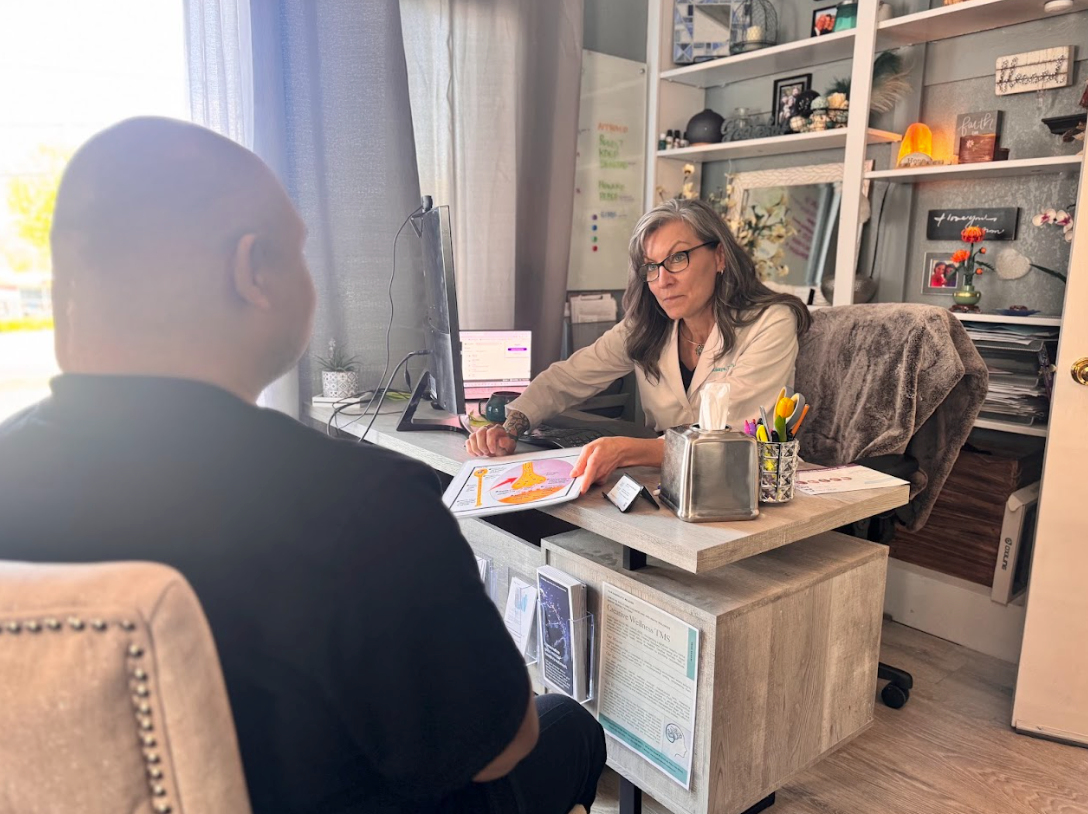
None of this is a decision anyone should make in five minutes. The proper evaluation visit is where the real answer comes from.

Interested in learning more?
Schedule a consultation to see if TMS could be right for you.
Visit our contact page or call 253-900-1605 to speak with our team.
What about insurance?
We want to be straight with you here: insurance coverage for TMS in bipolar depression is hit-or-miss. Because TMS doesn't yet have formal FDA approval for bipolar specifically, many insurance companies don't automatically cover it, even though they'd cover the same treatment for someone with regular depression. Some plans do approve it - especially when there's clear paperwork showing you've already tried and failed several medications. Others won't.
What we do: we check your specific plan upfront, we handle the insurance paperwork when there's a reasonable path to approval, and we're honest about out-of-pocket costs if coverage isn't going to come through. No surprises.
What treatment actually looks like
Some people get a mild headache or a sore spot on their scalp during the first week or so. This usually fades. You can drive afterwards, go to work, pick up your kids- there's no sedation, no recovery time.
Improvement tends to come in slowly rather than all at once. Some people notice their sleep gets better first, or their energy comes back before they consciously feel "less depressed." Some people actually feel slightly worse in the first couple of weeks before turning the corner - something we call a TMS dip. We know about this, we watch for it, and we coach you through it if it happens.
Can TMS trigger a manic episode in someone with bipolar?
The risk is low but not zero. In the largest research review so far, TMS didn't trigger mania any more often than a placebo did - a much better safety picture than we see with standard antidepressants in bipolar patients. We still screen carefully, keep your mood-stabilising medication on board, and watch closely throughout treatment.
Do I have to stop my bipolar medications during TMS?
Usually no - we'd rather you stayed on them. Medications like lithium, lamotrigine, and valproate keep your mood steady, and that steadiness is part of what makes TMS safe. Any changes happen in coordination with your prescribing doctor, never separately.
Will my insurance cover TMS for bipolar depression?
It depends on your plan. Because TMS isn't yet FDA-approved for bipolar specifically, coverage is inconsistent - some plans approve it with documentation of failed medications, others don't. We check your coverage upfront and are straight with you about costs either way.
How is this different from TMS for regular depression?
The sessions look the same - daily visits, 20 minutes each, for four to six weeks. The differences are clinical: more careful screening, mood-stabilising medication firmly in place, closer watching for mood shifts, and active coordination with your psychiatrist. Same technology, extra guardrails.