Life Transitions and Therapy: Divorce, Relocation, Career Change & Identity
Quick Answer: Big life changes - even the ones you chose - can leave you anxious, unmoored, or unsure who you are anymore. That's not a sign something's wrong with you; it's how transitions work. Therapy helps you process the change, steady yourself, and figure out what comes next, whether you're going through a divorce, a move, a career shift, or just a season where everything feels up in the air.
There's a common belief that therapy is for when something is clinically "wrong." But some of the most useful therapy happens during transitions - those stretches where life rearranges itself and you're left adjusting on the fly. You don't need a diagnosis to benefit. You just need to be in the middle of a change that's harder than you expected.
Why transitions hit harder than we expect
Even good, chosen changes come with loss. A new job means leaving the old one. A move means leaving a place that knew you. The end of a marriage, even a difficult one, is still the end of a future you'd pictured. Transitions pull up the things we quietly rely on - routine, role, identity, the sense of knowing what tomorrow looks like - and that uncertainty is what wears people down, often more than the change itself.
It's also disorienting because the distress can feel disproportionate. "Why am I struggling? This is supposed to be a good thing." That gap between how you think you should feel and how you actually feel is one of the most common reasons people come to therapy during a transition.
Divorce and separation
Divorce isn't a single event; it's a long unwinding - of a relationship, a household, sometimes a co-parenting arrangement that has to keep functioning through the pain. Therapy during a separation gives you a place to process the grief and anger without leaning entirely on friends and family, and to make clearer decisions when everything feels charged. For some, that's individual work. For others navigating a split as parents, it's about communicating well enough to protect the kids. Both are valid reasons to get support.
Relocation and starting over somewhere new
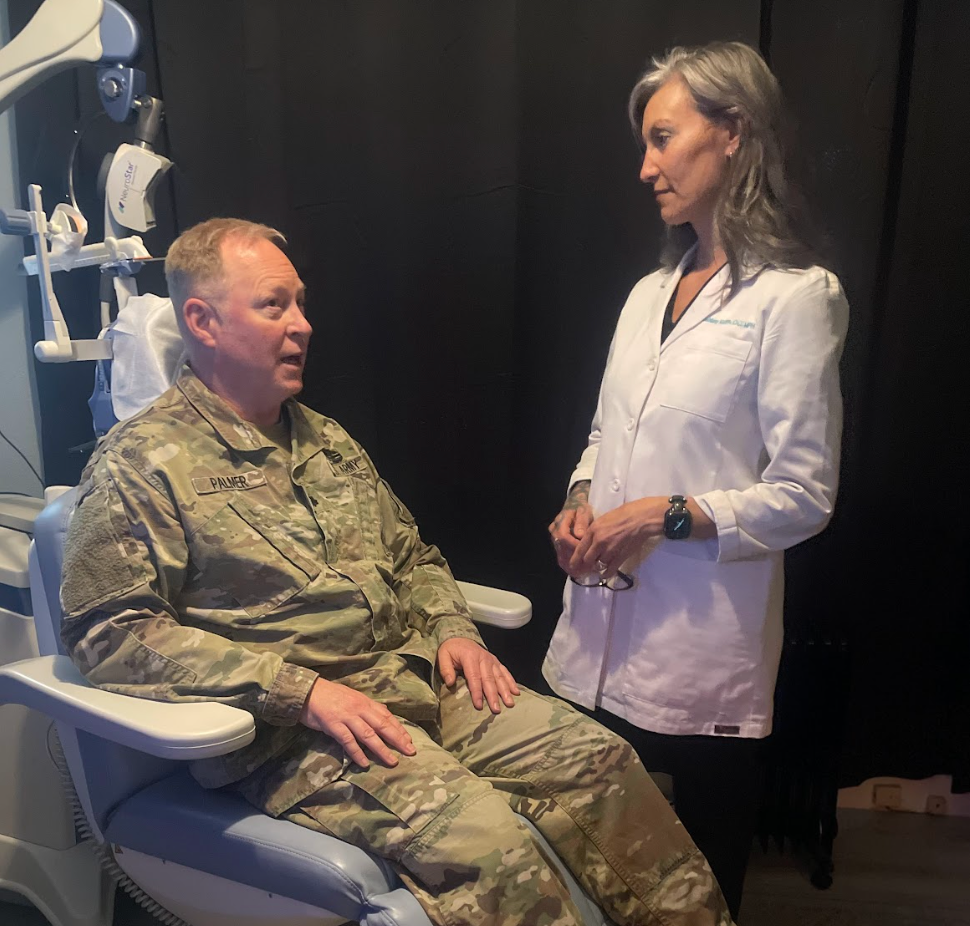
Moving is consistently underestimated. You arrive somewhere new, and suddenly there's no familiar coffee shop, no built-in social circle, no doctor who knows your history - and you're expected to feel excited. Relocation can bring real isolation and a loss of identity that catches people off guard. This is especially true for military families and veterans transitioning to civilian life or a new posting, where the move often arrives stacked on top of other major changes at once. Therapy can be a steadying constant while you rebuild the rest, and a way to keep care continuous if you've left a provider behind.
Career change, job loss, and retirement
For a lot of people, work isn't just income - it's structure, status, and a big part of how they answer "what do you do?" So a career change, a layoff, or retirement can shake more than the bank account. It can stir up questions about worth and purpose. This shows up often for first responders and service members moving into new careers, where the shift isn't just a job change but a change in identity and mission. Therapy helps separate your value from your job title, manage the anxiety of the in-between, and think clearly about what you actually want next rather than just what's available.
We Accept Insurance
Take a quick 1-minute quiz to check if you meet typical insurance criteria for TMS. It’s an easy way to see if you may qualify - no pressure, no commitment. If you're exploring other treatments or just want to talk it through, Get in touch. We're here to help you understand your benefits and next steps.





Identity - the thread through all of them
Notice the pattern: divorce, relocation, and career change all share one thing. They disrupt your sense of who you are. "I was a spouse." "I was someone with a place here." "I was this kind of professional." When those anchors move, identity wobbles, and that wobble is often the real work of a transition. Therapy gives you space to ask the uncomfortable questions - who am I now, what do I want, what matters to me at this stage - and to come out the other side with a steadier answer instead of just waiting for the discomfort to pass.
How therapy actually helps
Transition-focused therapy usually isn't about treating an illness. It's practical and forward-looking. A good therapist helps you:
- Process the loss so it doesn't sit unaddressed and resurface later.
- Build coping tools for the anxiety and overwhelm that come with uncertainty.
- Think clearly through decisions when emotions are running high.
- Reconnect with what matters to you, so the next chapter is something you're shaping rather than just surviving.
Approaches like cognitive behavioral therapy and solution-focused work tend to fit transitions well, because they're grounded in the present and oriented toward where you're headed. Whether you come on your own or as a couple working through a change together, the work is built around your situation.
When a transition tips into something more
Most people move through transitions with some support and time. But sometimes a hard season slides into something heavier - persistent depression or anxiety that doesn't lift, trouble functioning day to day, or hopelessness. If that's where you are, that's not weakness, and it's worth reaching out sooner rather than waiting it out alone. And if you ever feel unsafe or in crisis, don't wait for an appointment - call or text 988 (the Suicide & Crisis Lifeline) any time.
Support through transitions at Creative Wellness
Our counseling team works with people through exactly these seasons - divorce and separation, relocation, career and identity shifts, grief, and new chapters like becoming a parent. Therapy is available in person at our Olympia, University Place, and Yelm locations or by secure video, and if your needs change, we can coordinate counseling with other support under one roof. You can learn more on our
counseling page.
Do I really need therapy if nothing is "wrong," I'm just going through a change?
Yes, if it would help — and for many people in transition, it does. Therapy isn't only for diagnosable conditions. Working through a major change with a professional is one of the most practical, well-suited uses of it.
How long does therapy for a life transition take?
Often it's shorter and more focused than open-ended therapy, since you're working on a specific change with specific goals. Your therapist will talk through a rough timeline based on what you're navigating.
Can my partner and I go together if the change involves both of us?
Yes. When a transition affects a relationship — a move, a new baby, a career shift, or rebuilding after conflict — couples sessions can be where the most useful work happens.
Is this the same as grief counseling?
There's overlap, since most transitions involve some form of loss. Grief is one thread of transition work, and a good therapist will address it as part of helping you through the larger change.