
Therapy for Teens in Olympia, University Place & Yelm: A Parent's Guide
Quick Answer: If your teen is struggling, therapy can help - but the hard part for most parents is knowing when it's needed, how to choose the right therapist, and how to get a reluctant teenager through the door. This guide walks through all three, plus what teen therapy actually looks like, what it costs, and how it works across our Olympia, University Place, and Yelm locations.
Watching your teenager struggle and not knowing how to help is one of the harder parts of parenting. You're trying to tell the difference between normal teenage ups and downs and something that needs real support - and doing it without pushing them further away. This guide is meant to make that decision clearer.
How to tell if your teen might need therapy
Moodiness, eye-rolling, and wanting privacy are normal for adolescence. What's worth paying attention to is a change that sticks around - a few weeks or more - and starts affecting daily life. Signs that often point toward needing support:
- Withdrawing from friends, family, or activities they used to enjoy
- A clear drop in grades or school avoidance
- Sleeping or eating a lot more, or a lot less
- Ongoing irritability, sadness, or anxiety that doesn't lift
- Loss of interest in almost everything
- Talking down about themselves more than usual
You don't need to be certain before reaching out. A consultation exists partly to help you figure out whether therapy is the right step - you're not committing your teen to anything by asking.
What therapy for teens actually looks like
Teen therapy isn't just adult therapy with a younger client. Good adolescent therapists spend real time building trust first, because a teenager who feels dragged in and judged won't open up. The pace is often slower at the start, and the work meets the teen where they are.
Confidentiality works a little differently with minors, too. Therapists balance giving your teen a private space to be honest with keeping you appropriately informed, especially around safety. A good therapist explains exactly how that balance works in the first session, so everyone knows what to expect.
At Creative Wellness, adolescent therapy is provided by Rachele Brady, a marriage and family therapist who works with teens and includes guardians in the work with younger clients (typically ages 13–17). For a child 12 or under, it's worth a quick call so we can point you to the right fit.
Individual vs. family therapy - and where you fit in
Some teens do best in individual therapy, working one-on-one on anxiety, depression, or whatever they're carrying. In other situations - conflict at home, a divorce, a big transition - family sessions that include you can be where the real change happens. Often it's a mix. A therapist will recommend a structure after meeting your teen, and it can shift as things progress. Either way, you're not sidelined; you're part of the support system, with a role the therapist will help define.
How to choose the right therapist for your teen
A few things matter more than the rest:
- Experience with adolescents specifically. Working with teens is its own skill set.
- Fit. Your teen has to feel like they can talk to this person. It's completely fine to try someone else if the first match doesn't click — that's not a failure, it's how this works.
- Logistics. We have three locations - Olympia, University Place, and Yelm - so you can pick what's realistic for school and work schedules. Sessions can also be done by secure video, which often makes a packed week workable.
- The approach. Ask what sessions will actually be like. A clear, down-to-earth answer is a good sign.
We Accept Insurance
Take a quick 1-minute quiz to check if you meet typical insurance criteria for TMS. It’s an easy way to see if you may qualify - no pressure, no commitment. If you're exploring other treatments or just want to talk it through, Get in touch. We're here to help you understand your benefits and next steps.





How to bring it up with a teen who doesn't want to go
Resistance is normal, and it's not a reason to give up. A few things that tend to help:
- Frame it as support, not punishment. Therapy isn't because something is "wrong with them" — it's a place to have on their side.
- Give them some control. A say in the therapist, the location, or in-person vs. video lowers the resistance.
- Normalize it. Plenty of their peers see someone. It's far more common than they think.
- Start small. Agreeing to one session is easier than agreeing to "therapy." Most teens soften once they've met the person and realized it's not what they feared.
Therapy alongside other support
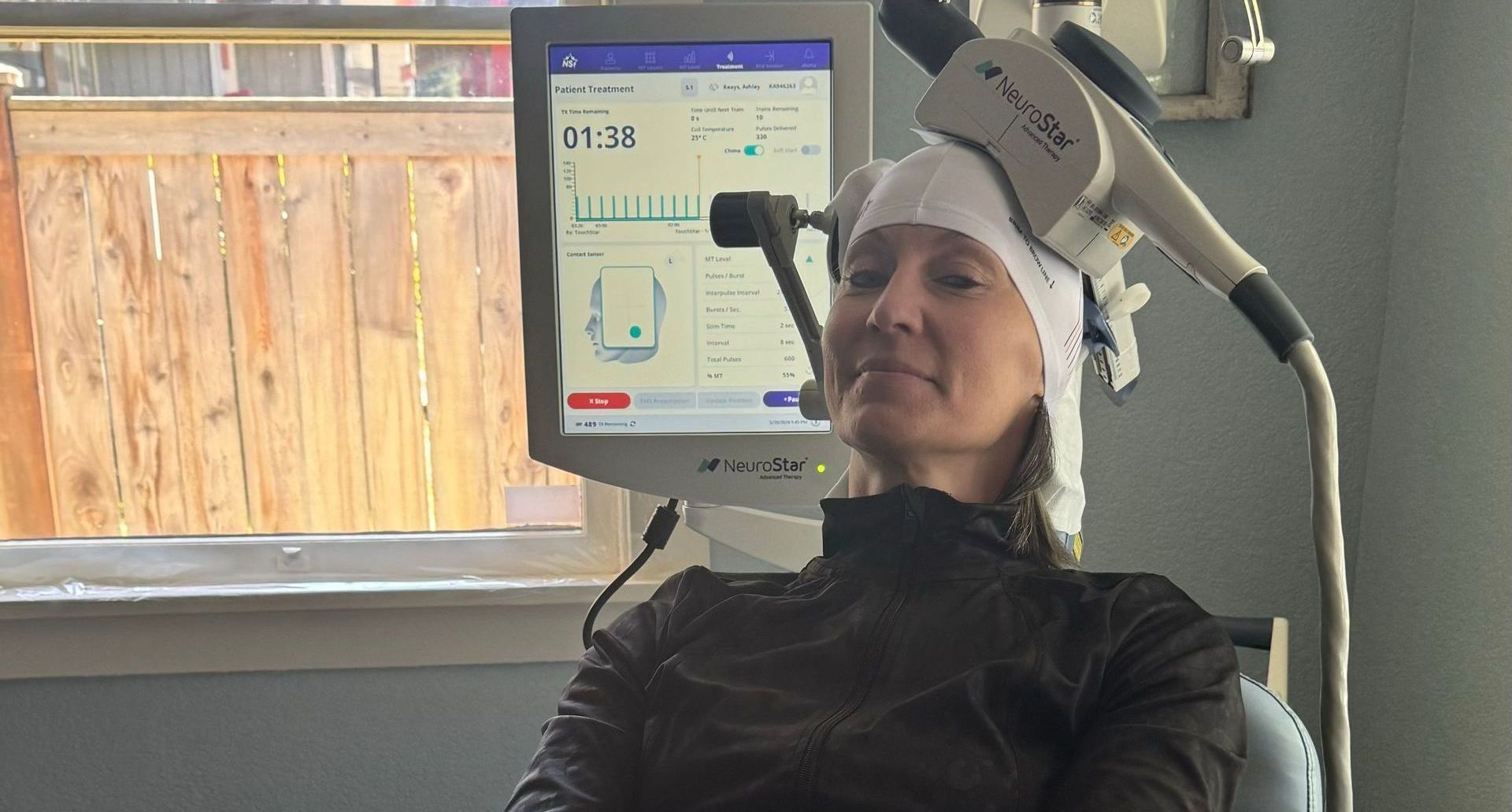
Sometimes talk therapy is all a teen needs. Other times it works best alongside other care. Because Creative Wellness also offers psychiatric medication management - and, for teens 15 and older with depression that hasn't responded to other treatments, TMS therapy - a plan can adjust without starting over at a new clinic. If your teen already has a prescriber or another provider, we coordinate rather than replace. None of that is required to come in for counseling; it's just there if it's needed.
Cost and insurance
Many insurance plans cover therapy for teens when there's a medical diagnosis, and our team will help you check your benefits before you start. Self-pay options are available too. Ask for the per-session rate and what your plan is likely to cover so there are no surprises.
When it's more than therapy can handle right now
Therapy is the right tool for a lot of what teens go through - but not for an emergency. If your teen is talking about suicide, hurting themselves, or you believe they're in immediate danger, don't wait for an appointment. Call or text 988 (the Suicide & Crisis Lifeline) any time, or go to your nearest emergency room. Routine therapy and crisis care are different things, and reaching for the urgent option when you need it is the right call.
At what age can my child start therapy?
It depends on the child and the concern. Our adolescent therapy generally works with teens around 13 and up, with guardians involved in the process. If your child is younger, call and we'll help you figure out the right fit.
Do I stay in the room during my teen's sessions?
Usually not for the whole session once individual work is underway — teens need space to speak freely — but you're kept appropriately informed, especially on anything safety-related, and there are often family sessions where you're included. The therapist will explain how it works at the start.
What if my teen refuses to go?
Common, and workable. Giving them some say in the choice and framing it as support rather than a verdict goes a long way. Most teens come around after meeting the therapist once.
Can sessions be done online?
Yes. Therapy is available in person at our Olympia, University Place, and Yelm locations or by secure video, which many families find easier to fit around school.