Motor-Threshold Mapping: How TMS Is Personalized for Each Patient
Quick overview
When you begin Transcranial Magnetic Stimulation (TMS), one of the most important steps is motor-threshold mapping. Mapping is a quick, clinician-led procedure that measures how your brain responds to single magnetic pulses and uses that information to set a safe, personalized stimulation dose. Because TMS effectiveness and safety depend on correct dosing and placement, mapping is a cornerstone of MD-led TMS care at Creative Wellness.
What is motor-threshold mapping?
Motor-threshold mapping determines the smallest amount of magnetic energy needed to reliably produce a measurable motor response in a target muscle (usually a thumb or finger). That value - the motor threshold - tells clinicians how excitable the motor cortex is for a specific patient. The clinic then prescribes treatment intensity as a percentage of that threshold, so the therapeutic pulses are individualized rather than “one size fits all.”
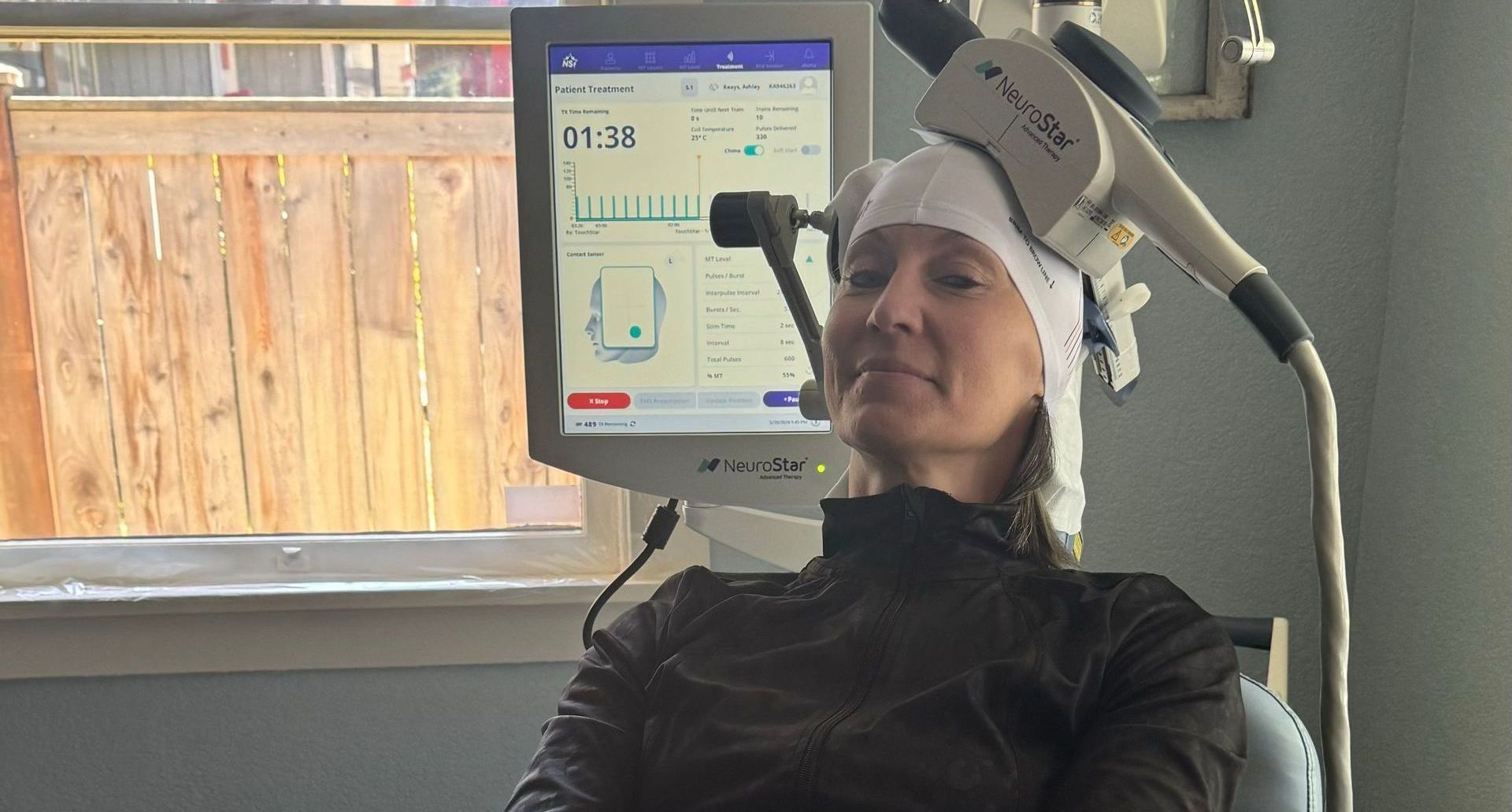
In practice, mapping is a physiologic test: the clinician delivers single TMS pulses over the motor cortex and observes or records the resulting muscle twitch or electrical signal. The result is an objective number that guides dosing and placement across the rest of the treatment. Mapping is both a safety and efficacy tool.
What clinicians measure
Motor response - the clinician looks for a consistent muscle twitch (typically in the hand/thumb) in response to single magnetic pulses. Some clinics use surface electromyography (EMG) to record muscle responses; others observe the twitch visually.
Resting motor threshold (RMT) - the lowest stimulation intensity that produces a motor response a defined percentage of the time (a reproducible, clinic-defined threshold). RMT is the standard measure used to normalize the dose.
Scalp coordinates - mapping also helps identify the motor cortex location relative to the patient’s scalp so clinicians can localize the treatment target (for depression, typically the left dorsolateral prefrontal cortex) with greater precision.
How mapping determines treatment intensity
Mapping converts a physiologic measurement (the motor threshold) into a personalized treatment dose. Treatment protocols are expressed as a percentage of the motor threshold - for example, a protocol may prescribe stimulation at a set percentage above RMT. By tying the dose to each patient’s threshold, clinicians ensure the brain receives effective, but not excessive, stimulation.
Two practical benefits of this approach:
Safety: By using an individualized threshold, clinicians reduce the chance of overstimulation, which helps minimize rare adverse events (for example, seizures) and other side effects.
Effectiveness: Personalized dose improves the likelihood that the targeted brain region receives an adequate stimulation dose to produce meaningful changes in neural networks. Proper placement and dose together improve clinical outcomes over scalp-based “fixed” dosing methods.
We Accept Insurance
Take a quick 1-minute quiz to check if you meet typical insurance criteria for TMS. It’s an easy way to see if you may qualify - no pressure, no commitment. If you're exploring other treatments or just want to talk it through, Get in touch. We're here to help you understand your benefits and next steps.





Mapping methods: visual mapping, EMG, and neuronavigation
Clinics use several mapping methods depending on equipment and protocol:
Visual motor mapping: Clinician observes visible muscle twitches while changing pulse intensity and coil position.
EMG-assisted mapping: A surface electrode records motor evoked potentials for a more sensitive and quantitative threshold measurement.
Neuronavigation / MRI-guided targeting: When available, neuronavigation aligns mapping with MRI anatomy to improve spatial precision for the treatment target. This is ideal for localization but still relies on motor-threshold data for dosing. Creative Wellness uses MD-led mapping combined with clinical best practices to personalize both placement and dose. The exact mapping workflow depends on the chosen TMS system and the patient’s clinical needs.
What to expect during mapping - patient experience
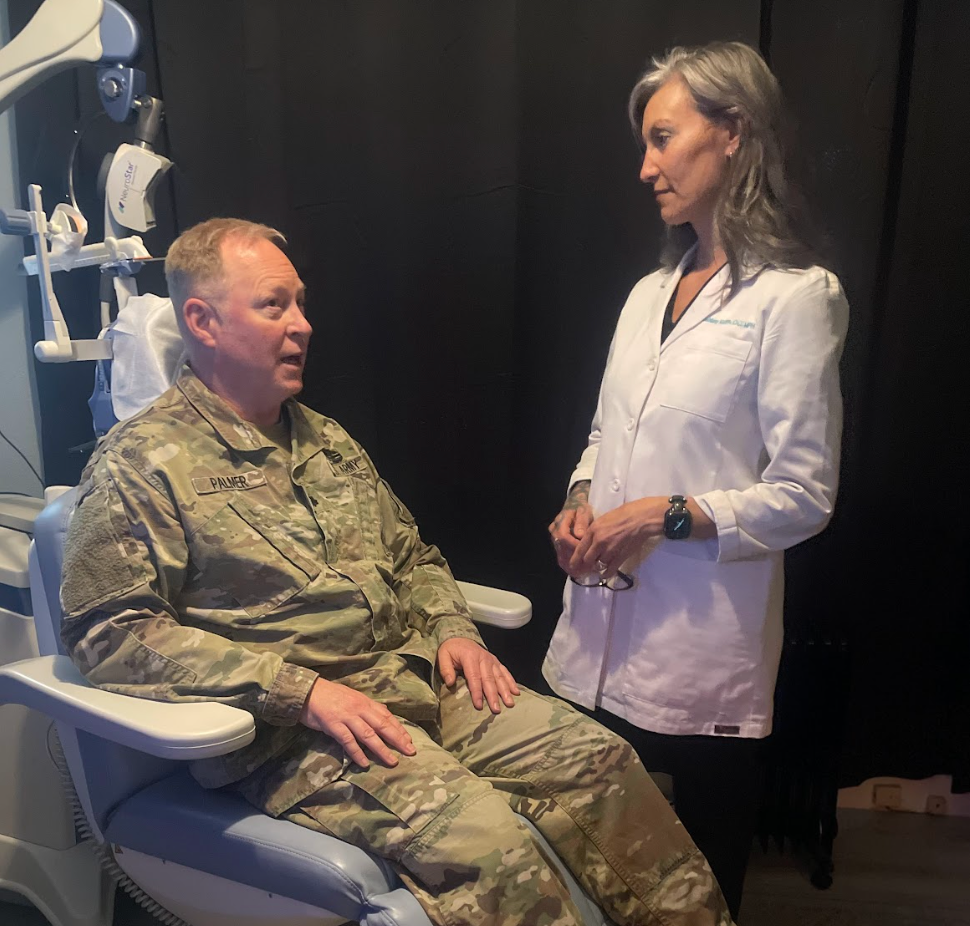
Time: Mapping is typically performed during your first MD evaluation and can take 20–60 minutes as the clinician locates the motor cortex and establishes the threshold.
After mapping, Most people can resume normal activities; mapping does not require anesthesia or prolonged recovery.
Why proper mapping improves safety & outcomes
Reduces rare risks: Accurate thresholding and dose selection reduce overstimulation and contribute to a lower probability of adverse events, including the very rare seizure. Clinics incorporate mapping into a comprehensive MD-led safety screen that considers medical history and medications.
Improves targeting: Mapping clarifies where the motor cortex sits relative to your scalp so clinicians can place the treatment coil over the intended prefrontal target consistently across sessions.
Enables reproducible dosing: Using a threshold-based percentage means dose is reproducible across sessions and comparable to published clinical protocols - improving the chance of a robust response.
Mapping & medication coordination
Because some medications affect cortical excitability, mapping also informs medication decisions. Your clinician will review your medication list before mapping and may coordinate any necessary changes with your prescriber. Mapping gives a real-time physiologic readout that helps the team judge whether medication effects are influencing stimulation thresholds. This coordination is part of Creative Wellness’s MD-led process.
Is mapping painful?
No. Most patients describe tapping sensations and brief muscle twitches. Discomfort is usually mild and short-lived.
How long until I start regular TMS after mapping?
TriWest’s guidance and common insurer policy require failure of at least two antidepressants from different pharmacologic classes, given at adequate dose/duration. Documentation must show dates, doses a,nd reasons for stopping.
Can mapping be skipped?
Mapping is a standard safety and dosing step in MD-led TMS programs. Skipping mapping risks under- or over-dosing and reduces precision.
What should I bring for mapping?
Photo ID, insurance card, current medication list (including OTCs/supplements), and any neurology records if applicable.