What to Ask at Your First TMS Consultation

Quick overview
Your first Transcranial Magnetic Stimulation (TMS) consultation sets the clinical plan and expectations. Use this checklist to make the most of your visit - safety screening, medications, insurance, likely outcomes, and scheduling are all covered.
Quick, how to use these lists
Bring this checklist to your appointment (or print it). Ask the clinician any questions you don’t understand - you should leave the consult with a clear plan, a timeline, and next steps (benefit checks, mapping, prior-auths).
Diagnosis & treatment goals
Ask these to confirm why TMS is being recommended and what success looks like.
- “What is my (or my child’s) official diagnosis and why do you recommend TMS?”
- Confirms medical rationale and whether TMS is first-line or for treatment-resistant cases.
- “What are realistic treatment goals for me?”
- Ask about measurable goals (sleep, mood, school/work performance).
- “How will we measure success?”
- Symptom scales, patient-reported changes, or clinical interviews.
Safety & medical screening
Safety is essential. These questions clarify screening steps and rare risks.
- “What screening do you do before TMS?”
The clinic should describe seizure history review, neurologic checks, and device/implant screening.
- “Do I have any contraindications (implants, neurological issues, pregnancy)?”
- “What are the most common side effects, and how often do serious events (like seizures) occur?”
Expect an honest but reassuring answer; the clinic should explain mitigation steps.
- “Who will be watching for side effects during sessions?”
MD oversight and session checks should be explained.
Medication & medical coordination
Medications matter for safety and effectiveness - get specifics.
- “Which of my medications raises concern for TMS?”
Ask about bupropion, high-dose TCAs, certain antipsychotics, stimulants, or benzodiazepines. The team should review your full med list and explain any needed coordination.
- “Do I need to stop or change any medicine before or during TMS?”
Clinics usually won’t change meds without coordination; ask how they will work with your prescriber.
- “How will you coordinate with my psychiatrist or primary prescriber?”
Expect a description of direct communication and shared decision-making.
The MD evaluation, mapping & the treatment course
Understand the clinical mechanics, so you know what to expect.
- “What happens at the MD evaluation and motor-threshold mapping?”
Mapping personalizes dose and placement and is part of safety planning. Ask how long it takes and what it feels like.
- “How many sessions will I likely need, and what is a typical schedule?”
Get a range (e.g., daily weekday sessions for ~4–6 weeks for many protocols) and whether plans are individualized.
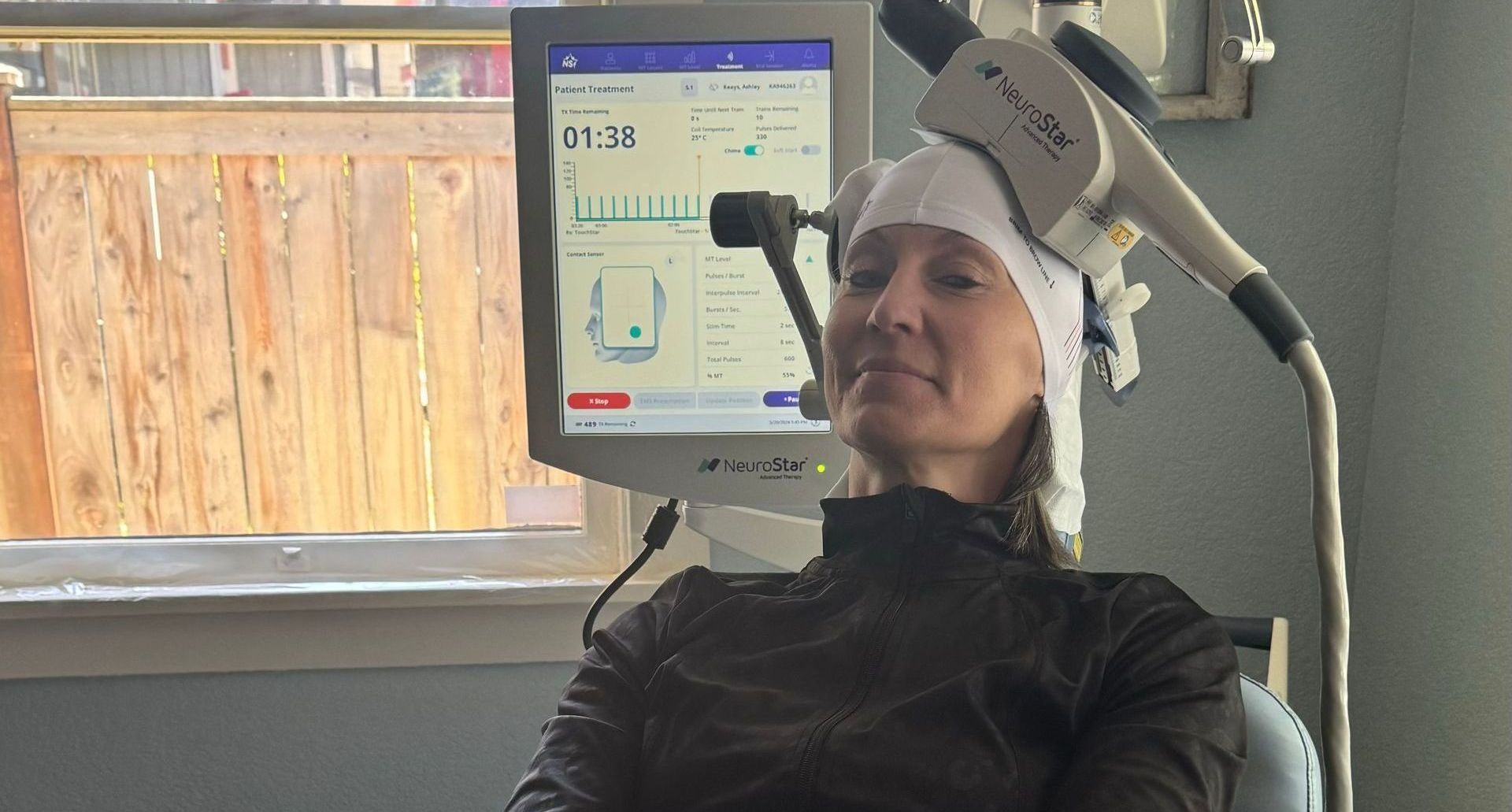
- “What should I expect during a session?”
Typical sensations, session length, and recovery (most return to normal activities).
Insurance, prior authorization & cost
Make sure administrative steps are clear.
- “Is TMS typically covered by my insurance? What documentation do you submit?
Clinics should describe prior-auth requirements (diagnosis, med/therapy history) and benefits checks. (If TriWest or other military coverage applies, ask about adolescent specifics.)
- “How long does prior authorization usually take, and who will handle it?”
Expect the clinic to manage submissions and follow-up.
- “What are likely out-of-pocket costs and payment options if we choose self-pay?”
We Accept Insurance
Take a quick 1-minute quiz to check if you meet typical insurance criteria for TMS. It’s an easy way to see if you may qualify - no pressure, no commitment. If you're exploring other treatments or just want to talk it through, Get in touch. We're here to help you understand your benefits and next steps.





Outcomes, timeline & aftercare
Set expectations for improvement and next steps after a course.
- “When do patients usually notice improvement?”
Many notice changes around weeks 2–4; full benefit typically develops over the course.
- “What if TMS doesn’t work?”
Ask about alternatives, repeat courses, or adjunct treatments (Spravato, medication changes, therapy).
- “What happens after a course - maintenance or boosters?”
Clarify follow-up schedules and relapse prevention options.
Practical logistics
Questions that make scheduling and daily life easier.
- “How do you schedule sessions around work or school?”
Ask about early/late slots, breaks, and the ability to modify times for teens.
- “What should I bring to appointments?”
Photo ID, insurance card, a current medication list, and any prior records they asked for.
- “Who is my contact for billing, scheduling, and clinical questions?”
Get a direct phone or email.
For parents of teens (extra questions)
If the patient is a teen, ask these specific items.
- “What is the minimum age you treat and why?”
Ask about NeuroStar’s adolescent indication (15–21) and insurance specifics for teens.
- “How do you obtain parental consent and involve parents in follow-up?”
- “Will school be informed/are there notes we can use for absence or accommodations?”
What to bring (printer-ready list)
- Photo ID & insurance card
- Complete medication list (include OTCs, supplements)
- Any recent psychiatric or neurology records (evaluations, EEG)
- Therapist/prescriber contact info
- A list of specific questions from this page
How long is the consult?
MD evaluation + mapping usually takes about 60 minutes; intake and records happen beforehand.
Will I have to stop my medication?
Not automatically. Medication changes are made only after clinician discussion and coordination with your prescriber.
Is TMS painful?
Most patients feel tapping and brief scalp sensitivity. Discomfort is generally short-lived and manageable.