
The TMS Evaluation Process: How Doctors Decide If You’re a Good Candidate
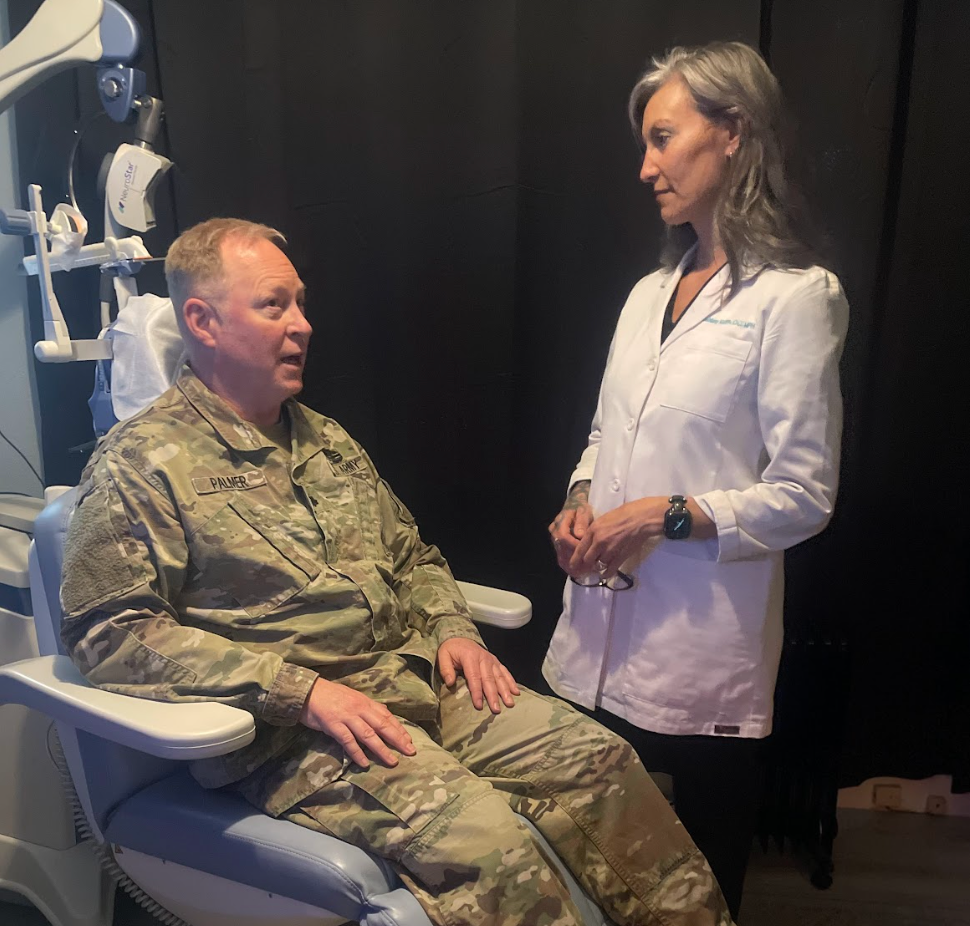
If you’re considering TMS therapy, one of the first questions you probably have is: “Will I actually qualify?” The answer depends on a structured clinical evaluation - a process that goes well beyond a simple checklist. At Creative Wellness TMS, our clinicians assess multiple dimensions of your health history and current symptoms before recommending TMS. This article walks you through exactly what that evaluation involves, so you arrive at your first consultation fully informed.
Why the Evaluation Matters
TMS is not a one-size-fits-all treatment. It is FDA-approved for specific conditions, requires a meaningful time commitment (typically five sessions per week for four to six weeks), and carries contraindications for certain patients. The evaluation exists to protect you - ensuring TMS is both safe and likely to be effective given your individual situation.
Skipping or rushing this process would be a disservice. A thorough evaluation is what separates a treatment plan built around your needs from a generic one.
Step 1: Confirming Your Diagnosis and Condition Severity
The evaluation begins with a clear picture of your diagnosis. TMS is FDA-approved for:
- Treatment-resistant major depressive disorder (MDD) in adults
- Obsessive-compulsive disorder (OCD)
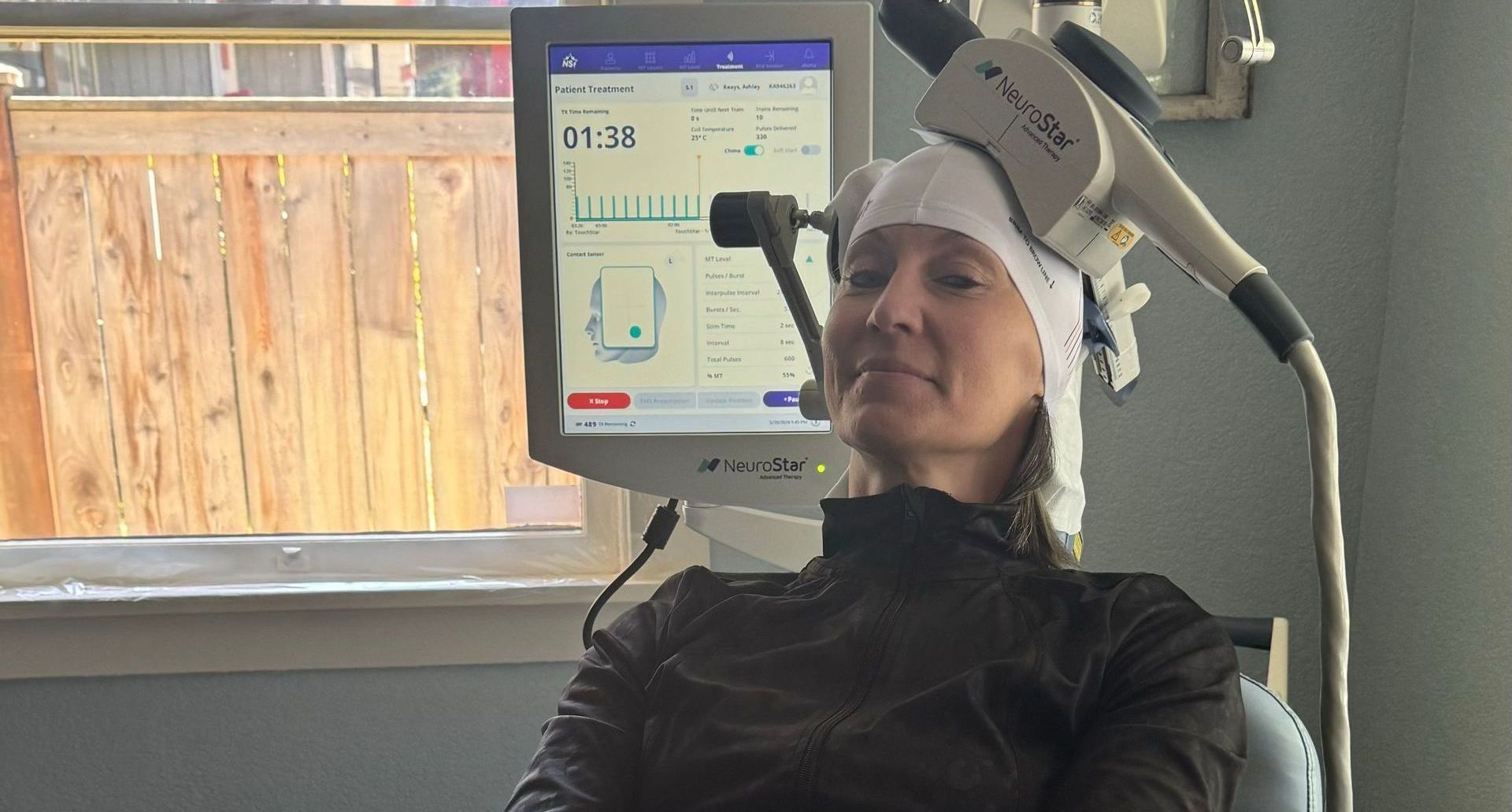
- Major depressive disorder in adolescents aged 15 and over (via the NeuroStar system, which Creative Wellness uses - the only FDA-cleared TMS device for this age group)
TMS can also be offered as an off-label treatment for conditions including anxiety, PTSD, and certain neurological presentations. In these cases, your clinician will discuss the current evidence base with you and set realistic expectations around outcomes and insurance coverage.
Symptom severity is assessed using standardized clinical tools.
For depression, this typically involves validated rating scales that measure how significantly your symptoms are affecting your daily life - your sleep, concentration, mood, energy, and ability to function at work or in relationships. This baseline measurement also serves as a reference point for tracking your progress once treatment begins.
We Accept Insurance
Take a quick 1-minute quiz to check if you meet typical insurance criteria for TMS. It’s an easy way to see if you may qualify - no pressure, no commitment. If you're exploring other treatments or just want to talk it through, Get in touch. We're here to help you understand your benefits and next steps.





Step 2: Reviewing Your Medication History
For most patients, TMS is a second-line treatment - meaning it is recommended after antidepressants have been tried and have either failed to produce results or produced side effects that were intolerable. This history is a central part of the evaluation.
Your clinician will ask about:
- Which antidepressants have you taken and for how long
- Whether you reached a therapeutic dose
- The outcomes: partial response, no response, or significant side effects
- Any medications you are currently taking that may interact with TMS or affect seizure threshold
Having tried at least two antidepressants from different drug classes without adequate relief is a common threshold that insurance companies use to approve TMS. If you haven’t yet reached that point, your clinician may recommend working through medication options first or exploring other treatment pathways alongside you.
Current medications are also reviewed for safety. Certain drugs - including some antipsychotics, stimulants, and medications that lower the seizure threshold - may require closer monitoring or dosage review before TMS begins.
Learn More: Medication Management
Step 3: Neurologic Screening and Contraindication Review
TMS uses magnetic pulses to stimulate brain activity, which means a neurologic safety screen is a non-negotiable part of the evaluation. This is not about creating barriers - it is about identifying the small number of patients for whom TMS poses a genuine risk.
Hard contraindications (conditions that rule out TMS entirely):
- Metal implants in or near the head, such as cochlear implants, aneurysm clips, or deep brain stimulators. Standard dental work and titanium implants elsewhere in the body are not a concern.
- Active seizure disorders or a history of unprovoked seizures, given that TMS involves cortical stimulation that carries a very small risk of inducing a seizure.
Areas requiring clinical judgment:
- A personal or family history of seizures (may be manageable depending on context)
- Significant head trauma or prior neurosurgery
- Active or recent substance use disorders
- Pregnancy, where the evidence base for TMS is still developing
None of these automatically disqualifies you without further discussion. Your clinician will weigh the risk-benefit balance with you directly.
Step 4: Assessing Prior Treatment History Beyond Medication
TMS works best as part of a broader treatment picture, not in isolation. Your evaluation will cover the full scope of what you’ve tried previously, including psychotherapy, counseling, lifestyle interventions, and any other clinical treatments.
This history is valuable for several reasons. First, it helps establish the chronicity and treatment resistance of your condition, which informs both the clinical case for TMS and the likely treatment protocol. Second, it helps your care team identify any concurrent therapies - such as CBT - that could meaningfully complement TMS and improve overall outcomes.
Patients who combine TMS with evidence-based therapy often show greater and more durable improvements than those who receive TMS alone. This is worth factoring into your plan from the beginning.
Step 5: Comorbid Conditions and Complex Presentations
Many people seeking TMS have more than one diagnosis. Depression frequently co-occurs with anxiety, PTSD, OCD, or ADHD. This complexity does not disqualify you - but it does shape how treatment is planned.
Your clinician will assess which condition is primary and how comorbid presentations may affect TMS targeting. One of TMS’s genuine advantages here is that stimulation parameters and coil placement can be adjusted to address different neural circuits. For example, treatment protocols differ between depression (targeting the left dorsolateral prefrontal cortex) and OCD (targeting the medial prefrontal cortex and anterior cingulate).
If your symptom picture is particularly complex, your clinician may recommend a more phased approach or a combination of TMS, medication management, and counseling delivered through Creative Wellness’s integrated care model.

Interested in learning more?
Schedule a consultation to see if TMS could be right for you.
Visit our contact page or call 253-900-1605 to speak with our team.
Step 6: Practical and Logistical Considerations
TMS requires a significant commitment of time over four to six weeks. Your clinician will discuss whether your current schedule and circumstances make that achievable. Missing sessions reduces treatment efficacy, so this is a practical consideration worth addressing honestly at the outset.
Insurance eligibility is also reviewed during this process. Our team is experienced in navigating prior authorization requirements and will work with you to establish the documentation needed to support your claim.
What to Bring to Your Evaluation
Coming prepared makes the evaluation more productive for both you and your clinician. If possible, bring:
- A list of all medications you’ve taken for your condition, including doses and approximate dates
- Any prior psychiatric or neurological diagnoses, including records if available
- A summary of previous therapy or treatment experiences
- Your current insurance details
- Any questions or concerns you want addressed before committing to treatment
The Evaluation Is a Conversation, Not a Gate
The TMS evaluation is not designed to exclude people - it is designed to make sure that if you move forward with treatment, you do so with a plan that is appropriate for you. Most patients who come in with genuine treatment-resistant depression and no hard contraindications are good candidates.
If TMS turns out not to be the right fit right now, your evaluation will still yield something useful: a clearer understanding of where you are in your treatment journey and what paths remain open to you, whether that’s medication management,
genetic testing to refine prescribing, or a course of counseling.
How long does the TMS evaluation take?
Your initial consultation typically takes 45 to 60 minutes. This gives your clinician enough time to review your history thoroughly and answer your questions without rushing.
Do I need a referral to be evaluated for TMS?
No referral is required to book a consultation at Creative Wellness TMS. You can contact us directly. If your insurance requires a referral for coverage purposes, we will let you know and help you navigate that process.
What if I haven’t tried antidepressants before?
For most adults, TMS is approved as a second-line treatment — meaning at least two antidepressant trials are typically required before insurance will cover it. If you haven’t yet tried medication, our team can discuss whether medication management is the right starting point, or whether your specific circumstances might still support a TMS pathway.